TCI E1470 2-Ethoxyacetyl Chloride is an aliphatic acid chloride carrying an ethoxy ether group at the alpha position, supplied by TCI as a non-heterocyclic building block. Its role in the laboratory is specific but important: it serves as an acylating reagent that transfers the ethoxyacetyl fragment onto nucleophilic groups such as amines, alcohols, phenols, and thiols. Because acid chlorides are among the most reactive carboxylic acid derivatives, acylation reactions generally proceed rapidly at low temperature and require no additional coupling reagent, making this material well suited to amide and ester syntheses that demand high efficiency.
The characteristic that makes this reagent a preferred choice is its high reactivity combined with an ether group that imparts polar character and conformational flexibility to the final product. The ethoxyacetyl fragment is frequently used in medicinal chemistry to increase aqueous solubility without introducing a new acidic or basic center, and to tune the pharmacokinetic properties of a target molecule. The ether oxygen atom can also act as a hydrogen bond acceptor, a feature that is useful in ligand design work. The consequence of this reactivity is a high sensitivity to water, since contact with atmospheric moisture degrades the reagent.
In Indonesian laboratories, this building block is typically used in university research groups, pharmaceutical development units, and contract synthesis facilities that prepare amide and ester intermediates on a small to medium scale. It is normally handled in a fume hood under an inert atmosphere, using dry solvents and anhydrous glassware, because the tropical ambient humidity of the region places additional demands on moisture-sensitive reagents. Careful stock management and prompt resealing after each withdrawal are standard practice.
Related TCI products
- Amide bond formation, where the acid chloride reacts directly with primary or secondary amines to deliver ethoxyacetamide products quickly and without any separate coupling reagent.
- Ester synthesis from alcohols and phenols, taking advantage of the high electrophilicity of the acyl chloride carbon to complete acylation at low reaction temperatures.
- Medicinal chemistry analogue preparation, where the ethoxyacetyl fragment is installed to raise aqueous solubility without adding a new acidic or basic ionizable center.
- Thioester preparation from thiol substrates, using the same rapid acylation pathway to build sulfur-containing intermediates for further functional group transformations.
- Ligand and scaffold design studies, where the ether oxygen contributes hydrogen bond accepting capability and conformational flexibility to the molecules being evaluated.
| Brand | TCI |
|---|---|
| CAS number | 14077-58-8 |
| Molecular formula | — |
| Purity | — |
| Category | Chemistry > Building Blocks > Non-Heterocyclic Building Blocks |
| Pack sizes | available in standard TCI research quantities; please confirm the current pack options when ordering. |
| Physical form | — |
| Storage | store in a tightly closed container, protected from moisture. |
- Product code: E1470
Store the container tightly closed in a cool, dry, and well ventilated area, away from moisture, water sources, and incompatible materials such as bases, alcohols, and amines. Keep the reagent in its original tightly sealed bottle, and use septum-capped vessels with an inert gas headspace when portions are transferred. All handling should take place inside a fume hood, using dry glassware, anhydrous solvents, and standard personal protective equipment including safety goggles, chemical resistant gloves, and a laboratory coat. Because contact with atmospheric moisture degrades the material, minimise the time the container remains open, reseal it promptly after each withdrawal, and follow the manufacturer safety data sheet for full handling and disposal guidance.
—
Produk Terkait
-
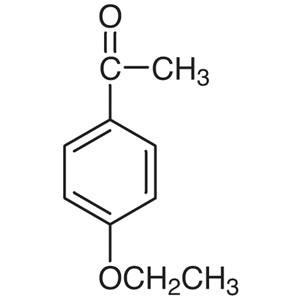
4'-Ethoxyacetophenone TCI E0458
Regular price Rp 1.829.100,00Regular price -
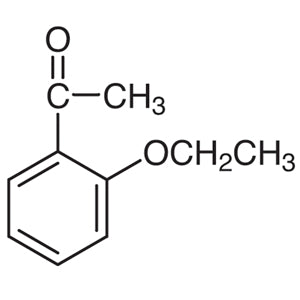
2'-Ethoxyacetophenone TCI E0457
Regular price Rp 2.650.200,00Regular price -
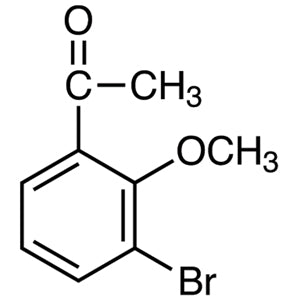
3'-Bromo-2'-methoxyacetophenone TCI B5498
Regular price From Rp 1.087.800,00Regular price -
2'-Amino-3'-methyl-4'-methoxyacetophenone TCI A3027
Regular price From Rp 2.677.500,00Regular price -
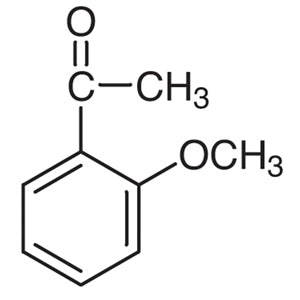
2'-Methoxyacetophenone TCI M1445
Regular price From Rp 2.094.750,00Regular price -
4'-Methoxyacetophenone TCI M0105
Regular price From Rp 557.550,00Regular price -
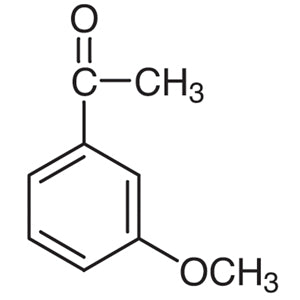
3'-Methoxyacetophenone TCI M0104
Regular price From Rp 1.035.300,00Regular price -
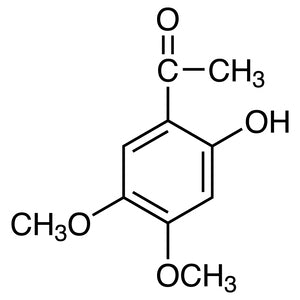
2'-Hydroxy-4',5'-dimethoxyacetophenone TCI H1206
Regular price Rp 5.009.550,00Regular price