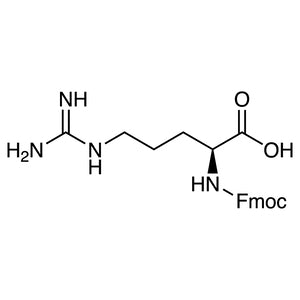
TCI F1360 91000-69-0 Fmoc-Arg-OH is a chemical compound widely used in peptide synthesis within laboratory settings. This compound is a protected form of the amino acid arginine, featuring the Fmoc (9-fluorenylmethyloxycarbonyl) group, which serves as a common protecting group in solid-phase peptide synthesis. Its primary role is to prevent unwanted side reactions during the synthesis process, ensuring the accuracy and efficiency of peptide construction. In chemical biology and peptide chemistry, this compound is essential for the systematic development of bioactive peptides.
The compound's stability under specific conditions and its reactivity with active reagents such as strong acids or bases make it a preferred choice for researchers. Its ability to bind to solid-phase resins simplifies the synthesis process, allowing for controlled and reproducible peptide chain elongation. Additionally, its high reactivity supports various synthesis methods that require precise chemical interactions. These properties make it a reliable and versatile component in modern peptide synthesis protocols.
In Indonesian laboratories, Fmoc-Arg-OH is frequently used in biochemical, pharmaceutical, and health sciences research. It plays a crucial role in the development of bioactive peptides with therapeutic potential. Its application spans from basic research to drug discovery, making it a valuable tool for scientists working in diverse fields. The compound's consistent performance and compatibility with standard laboratory procedures further enhance its importance in these settings.
- Peptide Synthesis: Fmoc-Arg-OH is ideal for solid-phase peptide synthesis due to its compatibility with resin-based systems and its ability to undergo controlled deprotection.
- Biochemical Research: This compound is used in studies involving protein structure and function, as it helps in the synthesis of peptides for structural and functional analysis.
- Drug Development: Fmoc-Arg-OH supports the creation of bioactive peptides, which are essential in the development of new therapeutic agents and pharmaceutical compounds.
- Pharmacological Studies: It is commonly used in the production of peptides for testing their pharmacological effects and interactions with biological systems.
- Health Science Research: The compound is integral in research focused on health-related peptides, including those with potential applications in disease treatment and prevention.
| Brand | TCI |
|---|---|
| CAS number | 91000-69-0 |
| Molecular formula | — |
| Purity | — |
| Category | Chemistry > Chemical Biology > Peptide Chemistry |
| Pack sizes | — |
| Physical form | — |
| Storage | Store in a cool, dry place away from light and moisture |
Fmoc-Arg-OH should be stored in a cool, dry place, away from direct light and moisture to maintain its chemical stability. It is recommended to use airtight containers to prevent exposure to humidity and contaminants. In laboratory settings, it should be handled with care to avoid contact with strong acids or bases, which can cause unwanted reactions. Proper ventilation is advised when working with this compound to ensure a safe environment. Due to its reactivity, it should be stored separately from incompatible substances. Regular monitoring of storage conditions is essential to preserve the integrity and effectiveness of the compound during its shelf life.
—
Product Categories
Produk Terkait
-
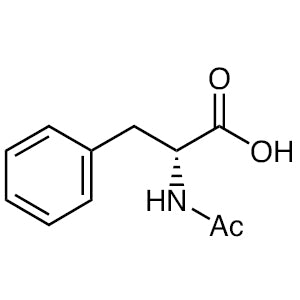
N-Acetyl-D-phenylalanine TCI A0105
Regular price From Rp 1.087.800,00Regular price -
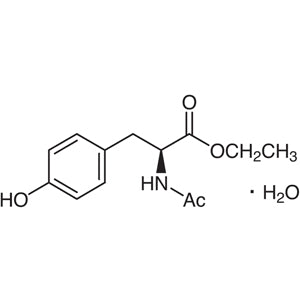
N-Acetyl-L-tyrosineEthylEsterMonohydrate TCI A0118
Regular price From Rp 610.050,00Regular price -
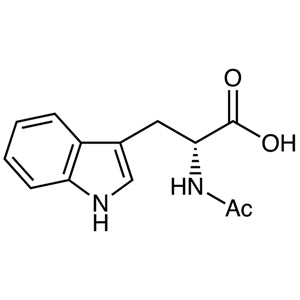
N-Acetyl-D-tryptophan TCI A0119
Regular price From Rp 769.650,00Regular price -
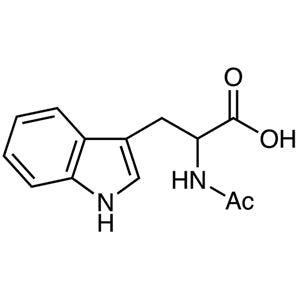
N-Acetyl-DL-tryptophan TCI A0120
Regular price From Rp 637.350,00Regular price -
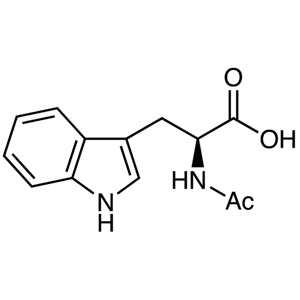
N-Acetyl-L-tryptophan TCI A0121
Regular price From Rp 477.750,00Regular price -
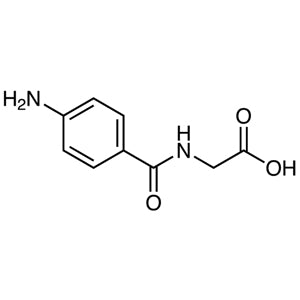
4-AminohippuricAcid TCI A0313
Regular price From Rp 3.949.050,00Regular price -
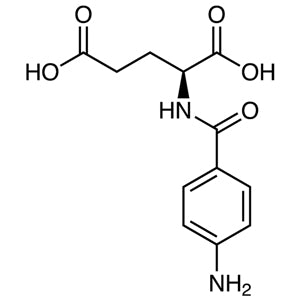
N-(4-Aminobenzoyl)-L-glutamicAcid TCI A0442
Regular price From Rp 1.087.800,00Regular price -
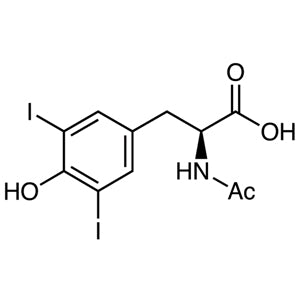
N-Acetyl-3,5-diiodo-L-tyrosine TCI A0087
Regular price Rp 1.008.000,00Regular price