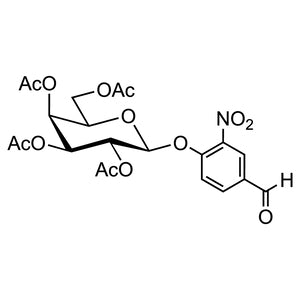
4-Formyl-2-nitrophenyl 2,3,4,6-Tetra-O-acetyl-beta-D-galactopyranoside is a complex chemical compound widely used in chemical biology and glycoscience research. This compound is a glycoside derivative of beta-D-galactose, with four hydroxyl groups acetylated and functionalized with a formyl group and a nitrophenyl group. It plays a crucial role in laboratories by enabling the study of molecular interactions, particularly between glycans and proteins. Its unique structure makes it an essential tool for investigating biological activities and molecular structures of complex compounds.
The compound’s molecular structure and functional groups make it a preferred choice for researchers. The presence of both formyl and nitrophenyl groups provides reactivity, allowing it to participate in various chemical reactions. Its acetylated glycoside backbone ensures stability and specificity in binding interactions. These properties make it ideal for applications such as enzyme activity studies and molecular recognition research. Its versatility supports a wide range of experimental approaches in both academic and industrial settings.
In Indonesian laboratories, this compound is commonly used in chemical biology and glycoscience research. It is particularly valuable for studies involving protein-glycan interactions, enzyme kinetics, and molecular binding. Researchers in Indonesia utilize it to explore the structural and functional aspects of complex carbohydrates, contributing to advancements in drug development and disease mechanism understanding. Its application in local research institutions highlights its importance in the scientific community.
- Glycan-Protein Interaction Studies – This compound is ideal for investigating how glycans interact with proteins, offering insights into cellular communication and disease mechanisms.
- Enzyme Activity Assays – Its acetylated structure makes it suitable for testing enzymatic activity, especially in glycosidase and transferase reactions.
- Molecular Recognition Research – The formyl and nitrophenyl groups enable the study of molecular recognition processes, aiding in the design of targeted therapeutics.
- Structural Analysis of Complex Carbohydrates – Its well-defined structure supports detailed analysis of carbohydrate-based molecules in biochemical studies.
- Drug Development Research – It is used to explore the role of glycans in disease progression, supporting the development of novel therapeutic strategies.
| Brand | TCI |
|---|---|
| CAS number | 77667-26-6 |
| Molecular formula | — |
| Purity | — |
| Category | Chemistry > Chemical Biology > Glycoscience |
| Pack sizes | Available in various quantities as per supplier specifications |
| Physical form | Solid powder |
| Storage | Store in a cool, dry place away from light |
This compound should be stored in a cool, dry environment, away from direct light and moisture. It is recommended to use airtight containers to prevent contamination and maintain its chemical integrity. Due to its reactive functional groups, it should be handled with care, using appropriate personal protective equipment such as gloves and safety goggles. Avoid exposure to incompatible substances to ensure safety in the laboratory. Proper storage and handling are essential to preserve the compound’s effectiveness and ensure safe usage in research applications.
—
Produk Terkait
-
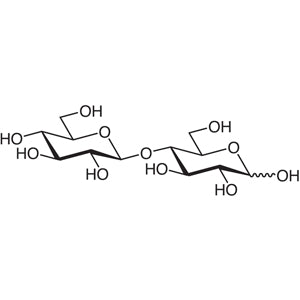
D-(+)-Cellobiose TCI C0056
Regular price From Rp 975.450,00Regular price -
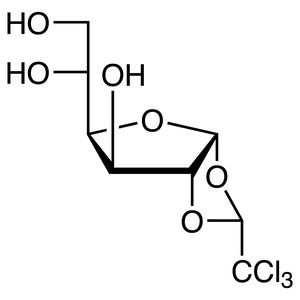
alpha-Chloralose(containsbeta-isomer) TCI C0074
Regular price Rp 946.050,00Regular price -
ChondroitinSulfateSodiumSalt TCI C0335
Regular price From Rp 2.303.700,00Regular price -
alpha-Cyclodextrin TCI C0776
Regular price From Rp 768.600,00Regular price -
beta-Cyclodextrin TCI C0777
Regular price From Rp 2.333.100,00Regular price -
alpha-D-CellobioseOctaacetate TCI C0861
Regular price Rp 2.804.550,00Regular price -
gamma-Cyclodextrin TCI C0869
Regular price From Rp 1.210.650,00Regular price -
beta-Cyclodextrin TCI C0900
Regular price From Rp 562.800,00Regular price