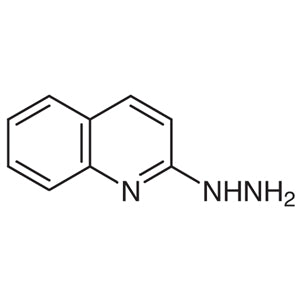
2-Hydrazinoquinoline from TCI is a heterocyclic building block supplied as a solid, carrying a hydrazine group at the two position of the quinoline ring. Its role in the laboratory is to provide a nitrogen-containing aromatic framework that already comes equipped with a reactive handle, so that researchers can move directly to constructing fused ring systems or hydrazone derivatives without having to prepare the intermediate themselves. Quinoline is a scaffold encountered very frequently in active compounds and functional materials, which makes a hydrazinated derivative of this kind a valuable starting point for both medicinal chemistry and materials chemistry synthesis.
The property that makes this compound a preferred choice is the combination of the nucleophilicity of the hydrazine group with the electron-withdrawing electronic character of the quinoline ring, so that condensation and ring-closure reactions proceed with predictable tendencies. The hydrazine group is bifunctional and allows the formation of triazolo or pyrazolo rings fused onto the quinoline framework. The pyridine-type nitrogen in the ring also provides a binding site for metal ions, making its derivatives useful as ligands. Being a solid, the material is easy to weigh out with precision, although the hydrazine group calls for careful handling.
In Indonesian laboratories, this building block is typically used in university and institutional synthetic chemistry groups working on heterocyclic scaffolds, in medicinal chemistry programmes exploring quinoline-based derivatives, and in materials research where nitrogen-donor ligands are required. It suits work at the bench scale where a ready-made intermediate saves several synthetic steps, and it is normally ordered together with other building blocks for exploratory route development and derivative library preparation.
- Hydrazone formation: the terminal hydrazine nitrogen condenses readily with aldehydes and ketones, giving researchers a direct route to quinoline-bearing hydrazone derivatives for screening or further elaboration.
- Fused triazoloquinoline synthesis: the bifunctional hydrazine group supports cyclisation onto the adjacent ring nitrogen, allowing triazolo systems to be built directly on the quinoline core without extra intermediates.
- Pyrazoloquinoline construction: reaction with suitable dicarbonyl partners closes a pyrazole ring onto the quinoline framework, a common approach in exploratory heterocyclic chemistry programmes.
- Medicinal chemistry intermediate work: because quinoline appears so often in active compounds, this hydrazinated derivative serves as a convenient entry point for building and diversifying candidate structures.
- Ligand preparation for coordination chemistry: the pyridine-type ring nitrogen together with the hydrazine nitrogens offers metal-binding sites, making derivatives useful for preparing complexes in materials research.
| Brand | TCI |
|---|---|
| CAS number | 15793-77-8 |
| Molecular formula | — |
| Purity | — |
| Category | Chemistry > Building Blocks > Heterocyclic Building Blocks |
| Pack sizes | available in the catalogue pack sizes offered by TCI for this item |
| Physical form | solid |
| Storage | keep in a cool, dry place in a tightly closed container, protected from light and moisture |
Store the container tightly closed in a cool, dry and well ventilated area, away from light, moisture and sources of ignition, and keep it separated from strong oxidising agents. The original supplier container or an equivalent tightly sealed glass or chemically compatible plastic bottle is suitable, and the closure should be replaced immediately after each weighing to limit exposure to air and humidity. Because the hydrazine group requires careful handling, weigh and transfer the solid inside a fume hood while wearing safety glasses, gloves and a laboratory coat, avoid raising dust, and wash hands thoroughly after use. Label all secondary containers clearly and consult the manufacturer safety data sheet before first use.
—
Produk Terkait
-
2-Aminoquinoline TCI A0417
Regular price From Rp 1.776.600,00Regular price -
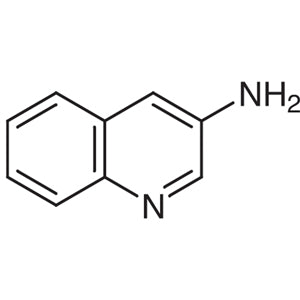
3-Aminoquinoline TCI A0418
Regular price From Rp 1.273.650,00Regular price -
8-Aminoquinoline TCI A0419
Regular price From Rp 1.035.300,00Regular price -
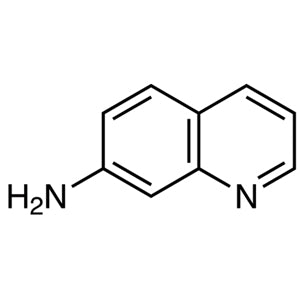
7-Aminoquinoline TCI A3268
Regular price Rp 3.419.850,00Regular price -
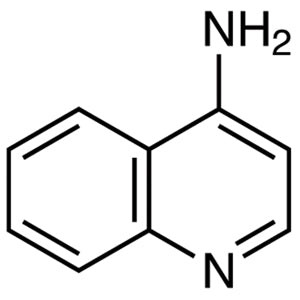
4-Aminoquinoline TCI A2600
Regular price Rp 2.995.650,00Regular price -
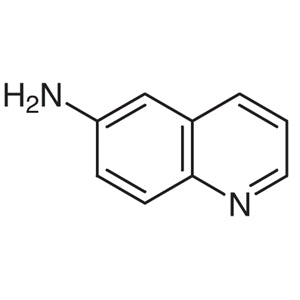
6-Aminoquinoline TCI A1370
Regular price Rp 875.700,00Regular price -
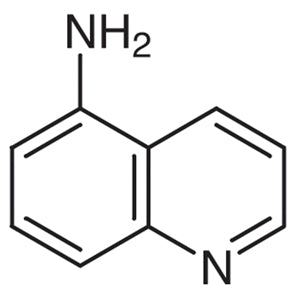
5-Aminoquinoline TCI A0959
Regular price From Rp 2.704.800,00Regular price -
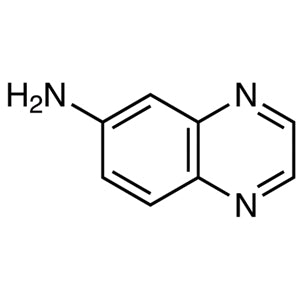
6-Aminoquinoxaline TCI A2490
Regular price From Rp 1.298.850,00Regular price