TCI H0183 3-Phenylpropionic Acid, also known as hydrocinnamic acid, is an aromatic-aliphatic carboxylic acid featuring a three-carbon chain that links the carboxyl group to a benzene ring. The compound belongs to the family of classic building blocks used very frequently in organic synthesis laboratories, thanks to its simple structure, easily predictable reactivity, and availability in pack formats that are practical for research-scale work. Its carboxylic acid group is ready to be esterified, amidated, reduced, or activated into an acid chloride, while the aromatic ring remains open to further substitution.
The properties that make this material a preferred choice begin with its physical form: a white crystalline solid that is straightforward to weigh out and handle on the bench. It shows good solubility in common organic solvents such as ethanol, methanol, acetone, and dichloromethane, which simplifies reaction setup and work-up procedures. It is also stable under normal laboratory storage conditions. The flexible propanoate chain provides electronic separation between the aromatic ring and the acid group, so its acidity resembles that of an aliphatic acid rather than a directly ring-attached carboxylic acid.
In Indonesian laboratories, this combination makes the compound an efficient starting point for constructing more complex molecular frameworks. It is routinely applied in pharmaceutical research, fragrance and aroma materials work, and materials chemistry, where a dependable, well-characterised building block shortens method development. Research groups at universities, government research institutes, and industrial R&D units typically draw on it for synthesis planning, derivatisation studies, and teaching-scale preparative work.
- Esterification reactions — the free carboxylic acid group reacts readily with alcohols, making it a convenient substrate for preparing ester derivatives at research scale.
- Amide bond formation — the acid function can be amidated directly or through activation, supporting the assembly of amide-linked target molecules in pharmaceutical research programmes.
- Acid chloride preparation — activation of the carboxyl group into the corresponding acid chloride gives a reactive intermediate for onward coupling with a wide range of nucleophiles.
- Reduction chemistry — the carboxylic acid is a suitable starting point for reduction studies, allowing conversion toward the related alcohol-containing structures used in downstream synthesis.
- Aromatic substitution studies — the benzene ring remains available for further substitution, so the compound serves as a scaffold for building more elaborate aromatic frameworks in materials and fragrance chemistry.
| Brand | TCI |
|---|---|
| CAS number | 501-52-0 |
| Molecular formula | — |
| Purity | — |
| Category | Chemistry > Building Blocks > Non-Heterocyclic Building Blocks |
| Pack sizes | available in research-scale packaging formats |
| Physical form | white crystalline solid |
| Storage | stable under normal laboratory storage conditions |
Store the container in a cool, dry place away from direct sunlight and from incompatible materials, under the normal storage conditions maintained in a laboratory chemical store. Keep the material in its original tightly closed container, or in a comparable well-sealed glass or chemically resistant vessel, and reseal promptly after each weighing so the crystalline solid is not exposed to moisture or airborne contamination. Handle the compound in a well-ventilated area or fume hood, wearing standard personal protective equipment including safety goggles, laboratory gloves, and a laboratory coat. Avoid generating dust during transfer and weighing, avoid contact with skin and eyes, and wash hands thoroughly after use. Label all secondary containers clearly and dispose of residues in accordance with the applicable laboratory chemical waste procedures.
—
Produk Terkait
-
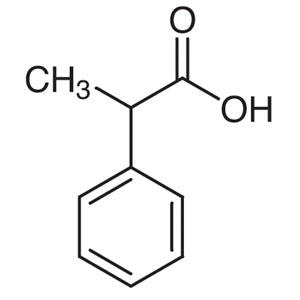
DL-2-PhenylpropionicAcid TCI P0699
Regular price From Rp 1.115.100,00Regular price -
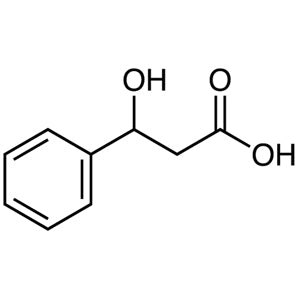
3-Hydroxy-3-phenylpropionicAcid TCI H1394
Regular price From Rp 980.700,00Regular price -
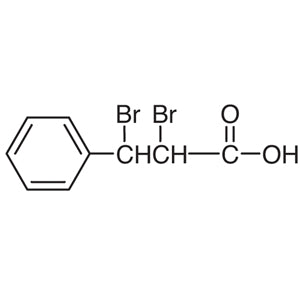
2,3-Dibromo-3-phenylpropionicAcid TCI D2647
Regular price Rp 4.559.100,00Regular price -
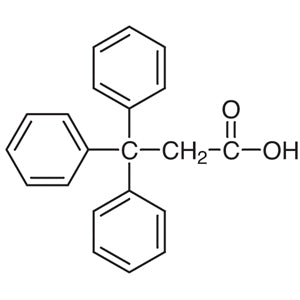
3,3,3-TriphenylpropionicAcid TCI T1558
Regular price From Rp 1.670.550,00Regular price -
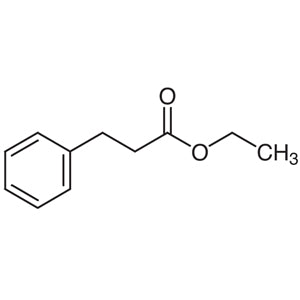
Ethyl3-Phenylpropionate TCI P1304
Regular price From Rp 1.510.950,00Regular price -
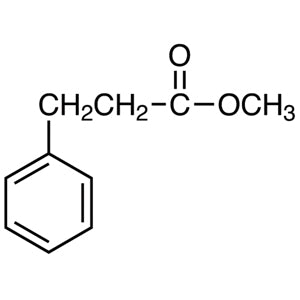
Methyl3-Phenylpropionate TCI M1786
Regular price Rp 2.016.000,00Regular price -
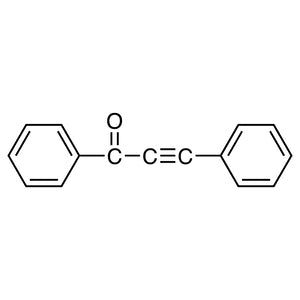
1,3-Diphenylprop-2-yn-1-one TCI D6145
Regular price Rp 6.042.750,00Regular price -
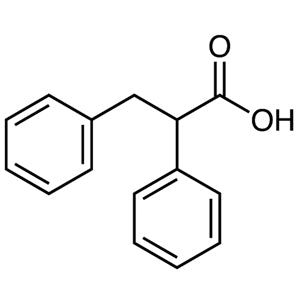
2,3-DiphenylpropionicAcid TCI D1790
Regular price From Rp 3.578.400,00Regular price