TCI H1394 3-Hydroxy-3-phenylpropionic Acid is an aromatic beta-hydroxy acid that carries a carboxyl group at one end of a three-carbon chain and a benzylic hydroxyl group on the third carbon, which is attached to a phenyl ring. In organic synthesis laboratories, this compound serves as a versatile building block because it presents two functional groups spaced at exactly the right distance to form a four-membered lactone ring, or to be converted into other derivatives through dehydration, oxidation, or esterification reactions.
The property that makes this compound a preferred choice is the presence of a single carbon centre bearing both a hydroxyl group and a phenyl group. Because of this arrangement, the compound is widely used as a substrate or as a reference product in studies of aldol reactions, asymmetric reduction, and biocatalysis. Researchers developing catalysts or enzymes that generate chiral compounds frequently require the racemic form as a comparison standard in order to measure the enantiomeric excess of their products. In addition, the beta-hydroxy acid pattern readily undergoes dehydration to cinnamic acid, so the compound is also useful for mapping out reaction conditions that need to be avoided.
The carboxyl group gives the compound good solubility in dilute basic solution, which makes handling and work-up more straightforward for laboratories in Indonesia that carry out routine synthesis and method development. It is typically found in university research groups, government research institutes, and industrial laboratories working on organic synthesis, asymmetric catalysis, and biocatalysis, where a well-characterised reference building block is needed to support day-to-day experimental work.
Related TCI products
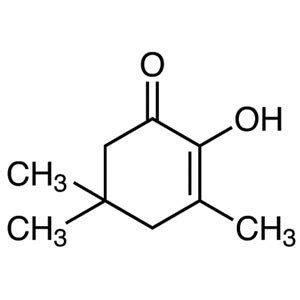
- TCI T2723 4883-60-7 2-Hydroxy-3,5,5-trimethyl-2-cyclohexen-1-one
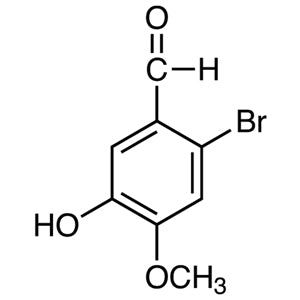
- TCI B4681 2973-59-3 2-Bromo-5-hydroxy-4-methoxybenzaldehyde
- TCI B3229 2208-15-3 4-Bromo-3-hydroxy-2-naphthoic Acid
- TCI B3180 1779-11-9 7-Bromo-3-hydroxy-2-naphthoic Acid
- TCI M3737 567-61-3 2-Hydroxy-6-methylbenzoic Acid
- TCI M2806 884-35-5 Methyl 4-Hydroxy-3,5-dimethoxybenzoate
- Building block for organic synthesis: the two functional groups sit at a spacing that supports direct conversion into lactones, esters, and other downstream derivatives without extra scaffolding steps.
- Racemic reference standard in asymmetric reduction studies: laboratories developing chiral catalysts need the racemate as a comparison point when measuring enantiomeric excess of their reaction products.
- Substrate and reference product in aldol reaction research: the benzylic hydroxyl adjacent to a phenyl ring reflects the structural outcome expected from this classical carbon-carbon bond-forming reaction.
- Biocatalysis screening work: enzymes and whole-cell systems that produce chiral hydroxy acids are assessed against this compound as substrate or as an authentic product standard.
- Reaction condition mapping studies: because the beta-hydroxy acid pattern dehydrates readily to cinnamic acid, it helps researchers identify and avoid conditions that trigger unwanted elimination.
| Brand | TCI |
|---|---|
| CAS number | 3480-87-3 |
| Molecular formula | — |
| Purity | — |
| Category | Chemistry > Building Blocks > Non-Heterocyclic Building Blocks |
| Pack sizes | available in the standard catalogue pack sizes offered by TCI for this item |
| Physical form | solid organic acid |
| Storage | keep in a tightly closed original container, stored cool and dry away from direct light |
Store the container in a cool, dry place with the cap tightly closed, protected from direct sunlight, moisture, and sources of heat, since the beta-hydroxy acid structure can undergo dehydration under unfavourable conditions. The original manufacturer container is the most suitable storage vessel; if transfer is required, use clean, chemically compatible glass containers with a secure closure and a clear label. Handle the material inside a fume hood, wear safety goggles, a laboratory coat, and chemical-resistant gloves, and avoid generating dust during weighing. Keep it separate from strong bases and strong oxidising agents, and consult the manufacturer safety data sheet before use.
—
Produk Terkait
-
2-Hydroxy-3,5,5-trimethyl-2-cyclohexen-1-one TCI T2723
Regular price Rp 1.273.650,00Regular price -
2-Bromo-5-hydroxy-4-methoxybenzaldehyde TCI B4681
Regular price Rp 4.293.450,00Regular price -
4-Bromo-3-hydroxy-2-naphthoicAcid TCI B3229
Regular price From Rp 2.174.550,00Regular price -
7-Bromo-3-hydroxy-2-naphthoicAcid TCI B3180
Regular price From Rp 769.650,00Regular price -
2-Hydroxy-6-methylbenzoicAcid TCI M3737
Regular price From Rp 2.332.050,00Regular price -
Methyl4-Hydroxy-3,5-dimethoxybenzoate TCI M2806
Regular price From Rp 1.193.850,00Regular price -
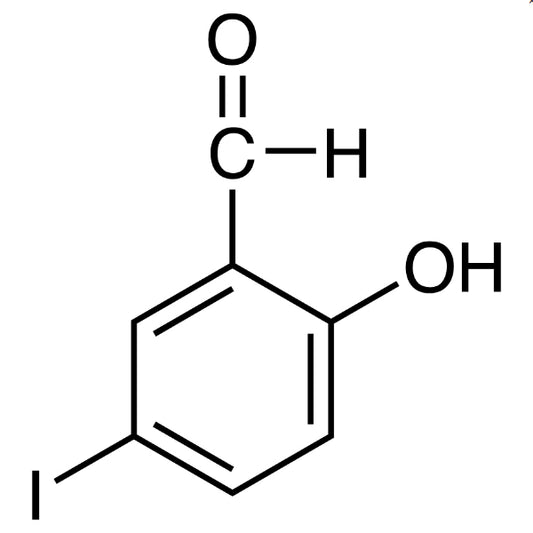
2-Hydroxy-5-iodobenzaldehyde TCI I1175
Regular price From Rp 903.000,00Regular price -
3-Hydroxy-2,2,4-trimethylpentylIsobutyrate(containsca40%2,2,4-Trimethyl-1,3-pentanediol3-Monoisobutyrate) TCI I0405
Regular price From Rp 505.050,00Regular price