2-Bromo-5-hydroxy-4-methoxybenzaldehyde is a chemical compound widely used as a building block in the synthesis of complex organic molecules. This aromatic compound features substituents including bromo, hydroxyl, and methoxy groups, making it a versatile reagent in various chemical reactions. Its presence in laboratory settings is crucial for the development of bioactive compounds, including pharmaceuticals and industrial chemicals. Due to its structural complexity and functional group diversity, it plays a significant role in both academic and industrial research environments.
The compound's reactivity is enhanced by the presence of hydroxyl and methoxy groups, which provide sufficient polarity for interactions with a wide range of reagents and catalysts. These functional groups also allow for participation in nucleophilic, electrophilic substitution, and oxidation reactions. Its chemical versatility makes it a preferred choice for organic synthesis, particularly in the modification of aromatic compounds. The compound's ability to undergo multiple reaction pathways supports its use in diverse research applications.
In Indonesian laboratories, 2-Bromo-5-hydroxy-4-methoxybenzaldehyde is extensively utilized in both fundamental and applied chemical research. It is commonly found in educational institutions and research centers where it is used to study the reactivity of aromatic compounds and to develop new chemical entities. Its availability and chemical properties make it an essential component in the toolkit of chemists working on synthetic and analytical projects.
Related TCI products
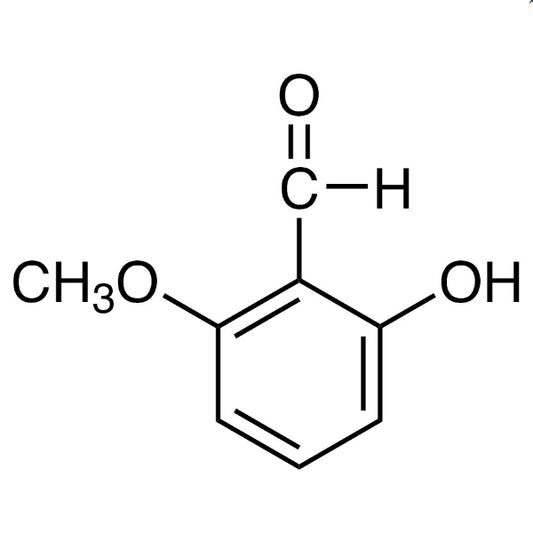
- TCI H1796 700-44-7 2-Hydroxy-6-methoxybenzaldehyde
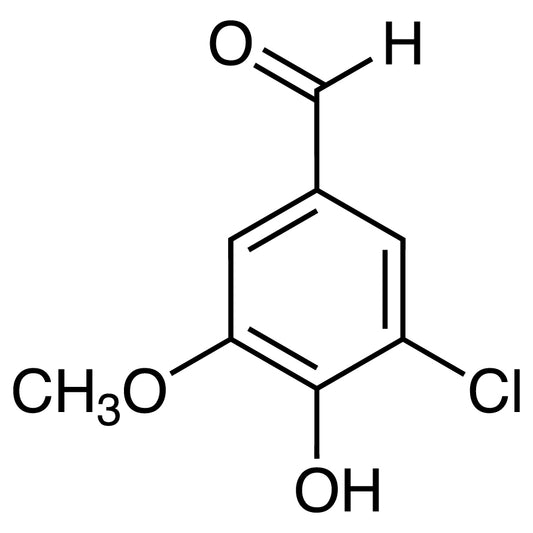
- TCI C3987 19463-48-0 3-Chloro-4-hydroxy-5-methoxybenzaldehyde
- TCI B3229 2208-15-3 4-Bromo-3-hydroxy-2-naphthoic Acid
- TCI B3180 1779-11-9 7-Bromo-3-hydroxy-2-naphthoic Acid
- TCI D4479 3934-87-0 3,4-Dihydroxy-5-methoxybenzaldehyde
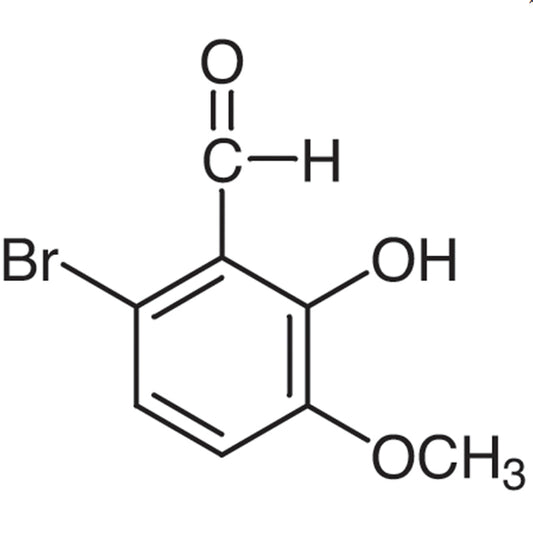
- TCI B1487 20035-41-0 6-Bromo-2-hydroxy-3-methoxybenzaldehyde
- Organic synthesis is a primary application, as the compound serves as a key building block for creating complex molecules with diverse functional groups.
- Pharmaceutical research benefits from its use in the development of bioactive compounds, where its structural features enable the synthesis of drug candidates.
- Industrial chemical production relies on this compound for the creation of various chemical intermediates used in manufacturing processes.
- Analytical chemistry applications include its use as a standard for spectroscopic and chromatographic analyses due to its distinct chemical properties.
- Educational institutions use it to teach fundamental concepts in organic chemistry, including reaction mechanisms and functional group reactivity.
| Brand | TCI |
|---|---|
| CAS number | 2973-59-3 |
| Molecular formula | — |
| Purity | — |
| Category | Chemistry > Building Blocks > Non-Heterocyclic Building Blocks |
| Pack sizes | Available in various quantities as per supplier specifications |
| Physical form | Solid or liquid, depending on the specific product variant |
| Storage | Store in a cool, dry place away from light and moisture |
This compound should be stored in a cool, dry environment, away from direct sunlight and sources of heat. It is recommended to use airtight containers to prevent moisture absorption and maintain chemical stability. Due to its reactivity, it should be handled with appropriate personal protective equipment, including gloves and safety goggles. In laboratory settings, it is important to ensure proper ventilation to avoid inhalation of vapors. The compound should not be exposed to incompatible materials such as strong oxidizing agents. Regular monitoring of storage conditions is advised to maintain the integrity and safety of the material.
—
Product Categories
- Building BlocksNon-Heterocyclic Building BlocksCarbonyl Compounds [Non-Heterocyclic Building Blocks]
- Building BlocksNon-Heterocyclic Building BlocksOxygen Compounds [Non-Heterocyclic Building Blocks]
- Pharmaceutical Development and Drug Discovery Research ReagentsBuilding Blocks for Pharmaceutical Ingredients (for Research and Experimental Use)
Produk Terkait
-
2-Hydroxy-6-methoxybenzaldehyde TCI H1796
Regular price From Rp 2.862.300,00Regular priceRp 2.001.300,00Sale price From Rp 2.862.300,00 -
3-Chloro-4-hydroxy-5-methoxybenzaldehyde TCI C3987
Regular price From Rp 955.500,00Regular priceRp 667.800,00Sale price From Rp 955.500,00 -
4-Bromo-3-hydroxy-2-naphthoicAcid TCI B3229
Regular price From Rp 2.227.050,00Regular priceRp 1.572.900,00Sale price From Rp 2.227.050,00 -
7-Bromo-3-hydroxy-2-naphthoicAcid TCI B3180
Regular price From Rp 822.150,00Regular priceRp 590.100,00Sale price From Rp 822.150,00 -
3,4-Dihydroxy-5-methoxybenzaldehyde TCI D4479
Regular price From Rp 3.021.900,00Regular priceRp 2.112.600,00Sale price From Rp 3.021.900,00 -
6-Bromo-2-hydroxy-3-methoxybenzaldehyde TCI B1487
Regular price From Rp 1.087.800,00Regular priceRp 760.200,00Sale price From Rp 1.087.800,00 -
4-Hydroxy-2-methoxybenzaldehyde TCI H1191
Regular price From Rp 1.035.300,00Regular priceRp 723.450,00Sale price From Rp 1.035.300,00 -
2-Hydroxy-5-methoxybenzaldehyde TCI H0881
Regular price From Rp 1.988.700,00Regular priceRp 1.390.200,00Sale price From Rp 1.988.700,00