4-Hydroxy-2-methoxybenzaldehyde is a chemical compound widely used in organic synthesis reactions within laboratory settings. As a building block in chemistry, it plays a crucial role in the development of complex molecules with diverse applications. Its aromatic structure allows for substitution and condensation reactions with various functional groups, making it a versatile reagent in synthetic pathways. This compound is particularly valuable for researchers aiming to create new compounds in pharmaceutical, chemical, and material science fields.
The compound’s chemical properties, including its aldehyde and hydroxyl functional groups, contribute to its reactivity and ability to participate in a wide range of chemical reactions. Its structure makes it suitable for forming heterocyclic and aromatic compounds, which are essential in the synthesis of active pharmaceutical ingredients and industrial materials. The compound's stability under certain conditions, combined with its sensitivity to oxidation and moisture, requires careful handling and storage to maintain its integrity.
In Indonesian laboratories, 4-Hydroxy-2-methoxybenzaldehyde is commonly used in organic chemistry research, especially in the development of pharmacologically active compounds and industrial raw materials. It is a standard reagent in chemical and pharmaceutical laboratories, where its reactivity and structural versatility make it an essential tool for synthetic chemists. Its presence in these laboratories underscores its importance in advancing research and development in various scientific disciplines.
Related TCI products
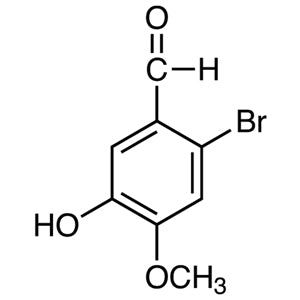
- TCI B4681 2973-59-3 2-Bromo-5-hydroxy-4-methoxybenzaldehyde
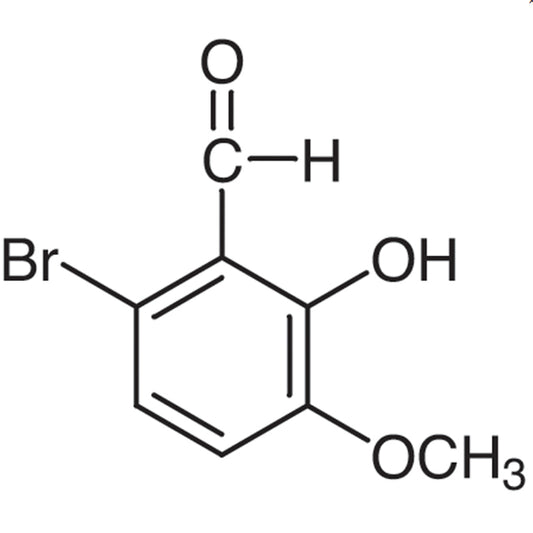
- TCI B1487 20035-41-0 6-Bromo-2-hydroxy-3-methoxybenzaldehyde
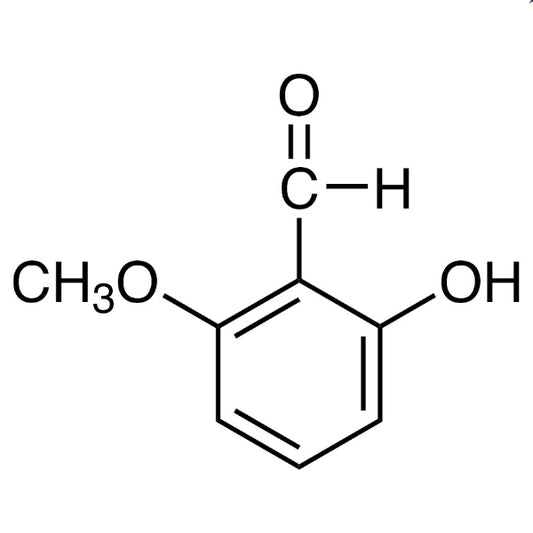
- TCI H1796 700-44-7 2-Hydroxy-6-methoxybenzaldehyde
- TCI H0881 672-13-9 2-Hydroxy-5-methoxybenzaldehyde
- TCI H0699 673-22-3 2-Hydroxy-4-methoxybenzaldehyde
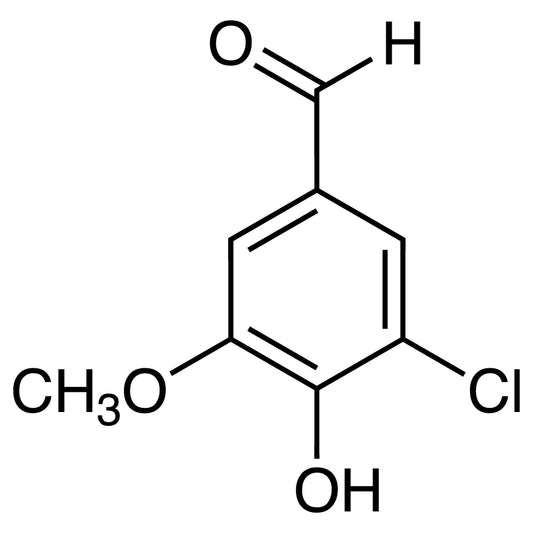
- TCI C3987 19463-48-0 3-Chloro-4-hydroxy-5-methoxybenzaldehyde
- Organic synthesis is a key application where this compound is used to build complex molecules through substitution and condensation reactions.
- Pharmaceutical research benefits from its ability to form active pharmaceutical ingredients, supporting drug development efforts.
- Material science applications involve its use in creating functional materials with specific chemical properties.
- Industrial chemistry relies on this compound as a precursor for producing dyes, pigments, and other chemical intermediates.
- Chemical research laboratories use it extensively for exploring new synthetic pathways and reaction mechanisms.
| Brand | TCI |
|---|---|
| CAS number | 18278-34-7 |
| Molecular formula | — |
| Purity | — |
| Category | Chemistry > Building Blocks > Non-Heterocyclic Building Blocks |
| Pack sizes | Available in various quantities as per supplier specifications |
| Physical form | Solid or liquid, depending on the specific product variant |
| Storage | Store in a cool, dry place away from moisture and oxidizing agents |
This compound should be stored in a cool, dry environment to prevent degradation due to moisture and oxidation. It is recommended to use airtight containers to minimize exposure to air and humidity. Due to its sensitivity, it should be kept away from strong oxidizing agents and direct sunlight. Proper labeling and storage conditions are essential to maintain its chemical integrity. Laboratory personnel should wear appropriate personal protective equipment when handling this compound to ensure safety during use and storage.
—
Produk Terkait
-
2-Bromo-5-hydroxy-4-methoxybenzaldehyde TCI B4681
Regular price Rp 4.293.450,00Regular price -
6-Bromo-2-hydroxy-3-methoxybenzaldehyde TCI B1487
Regular price From Rp 1.087.800,00Regular price -
2-Hydroxy-6-methoxybenzaldehyde TCI H1796
Regular price From Rp 2.862.300,00Regular price -
2-Hydroxy-5-methoxybenzaldehyde TCI H0881
Regular price From Rp 1.988.700,00Regular price -
2-Hydroxy-4-methoxybenzaldehyde TCI H0699
Regular price From Rp 1.298.850,00Regular price -
3-Chloro-4-hydroxy-5-methoxybenzaldehyde TCI C3987
Regular price From Rp 955.500,00Regular price -
4-Benzyloxy-3-methoxybenzaldehyde TCI B3599
Regular price From Rp 769.650,00Regular price -
3-Benzyloxy-4-methoxybenzaldehyde TCI B2885
Regular price Rp 1.961.400,00Regular price