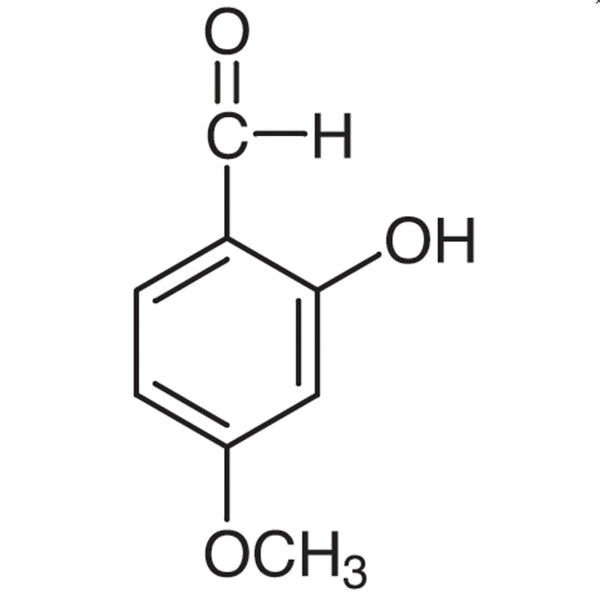
2-Hydroxy-4-methoxybenzaldehyde is a chemical compound widely used as a building block in the synthesis of complex molecules. This compound belongs to the category of non-heterocyclic building blocks and is commonly found in organic chemistry laboratories. Its aromatic structure, combined with functional groups such as aldehyde, hydroxyl, and methoxy, makes it a versatile reagent for various chemical reactions. Due to its reactivity and stability, it is a valuable tool for researchers aiming to create more complex organic compounds.
The compound’s unique combination of functional groups contributes to its reactivity and compatibility with a wide range of chemical transformations. The presence of the aldehyde and hydroxyl groups allows for participation in reactions such as condensation, substitution, and oxidation. The methoxy group further enhances its reactivity and provides additional functionality in synthetic pathways. These properties make it a preferred choice for chemists working on the development of new compounds and materials.
In Indonesian laboratories, 2-Hydroxy-4-methoxybenzaldehyde is frequently used in organic chemistry research, particularly in institutions focused on synthetic chemistry and pharmaceutical development. Its ability to undergo various chemical transformations makes it an essential component in the creation of heterocyclic and organic compounds. Its widespread use highlights its importance in both academic and industrial research settings.
Related TCI products
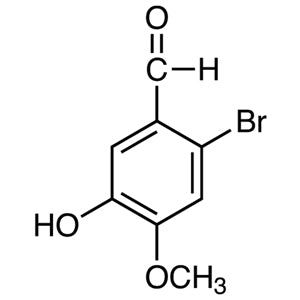
- TCI B4681 2973-59-3 2-Bromo-5-hydroxy-4-methoxybenzaldehyde
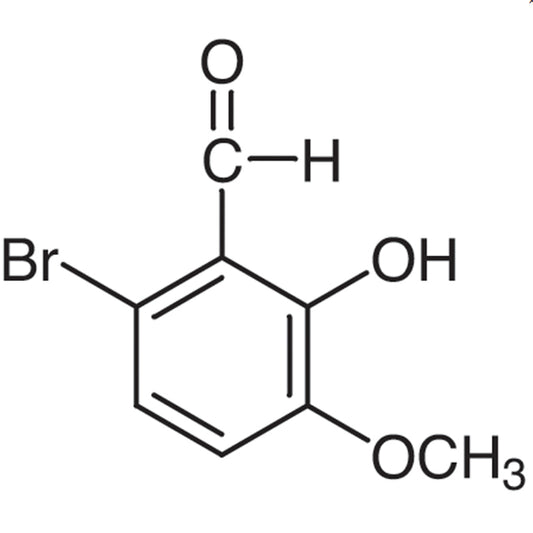
- TCI B1487 20035-41-0 6-Bromo-2-hydroxy-3-methoxybenzaldehyde
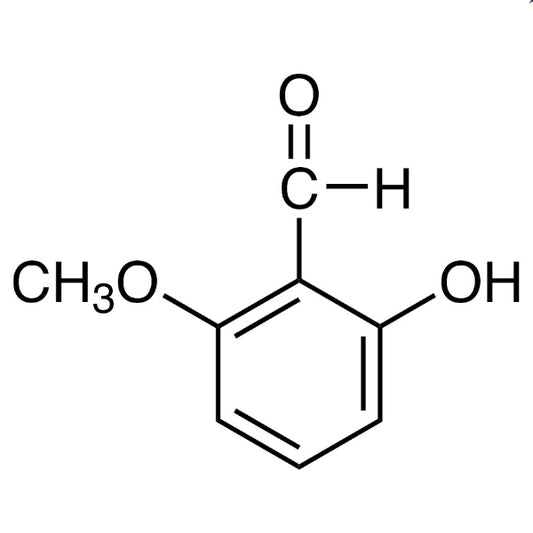
- TCI H1796 700-44-7 2-Hydroxy-6-methoxybenzaldehyde
- TCI H1191 18278-34-7 4-Hydroxy-2-methoxybenzaldehyde
- TCI H0881 672-13-9 2-Hydroxy-5-methoxybenzaldehyde
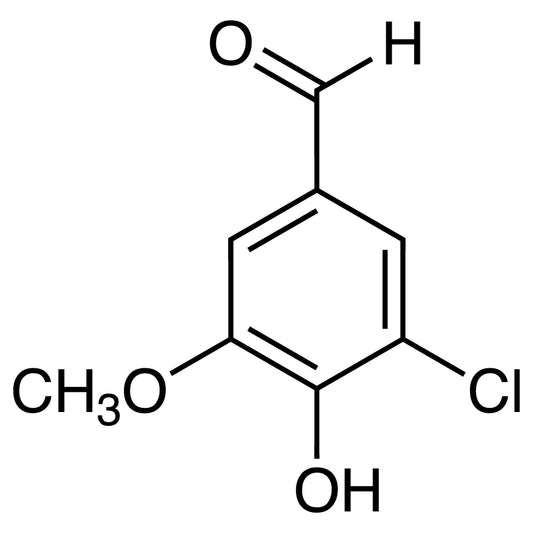
- TCI C3987 19463-48-0 3-Chloro-4-hydroxy-5-methoxybenzaldehyde
- Organic synthesis: This compound is ideal for the synthesis of complex organic molecules due to its reactive functional groups and aromatic structure.
- Pharmaceutical research: It is used in the development of new drugs as a building block for creating bioactive compounds.
- Material science: Its chemical properties make it suitable for the production of advanced materials with specific functional characteristics.
- Analytical chemistry: It serves as a standard reference material for spectroscopic and chromatographic analyses.
- Teaching laboratories: It is commonly used in educational settings to demonstrate key chemical reactions and synthetic techniques.
| Brand | TCI |
|---|---|
| CAS number | 673-22-3 |
| Molecular formula | — |
| Purity | — |
| Category | Chemistry > Building Blocks > Non-Heterocyclic Building Blocks |
| Pack sizes | Available in various quantities as per supplier specifications |
| Physical form | Solid or liquid, depending on the specific product variant |
| Storage | Store in a cool, dry place away from direct sunlight and moisture |
This compound should be stored in a cool, dry environment to maintain its chemical stability. It is recommended to use sealed containers to prevent exposure to moisture and air. Due to its reactive nature, it should be handled with appropriate personal protective equipment, including gloves and safety goggles. Avoid contact with incompatible substances such as strong oxidizers or acids. Ensure proper ventilation in the laboratory to minimize inhalation of vapors. Always follow standard laboratory safety protocols when working with this compound to ensure safe and effective use.
—
Produk Terkait
-
2-Bromo-5-hydroxy-4-methoxybenzaldehyde TCI B4681
Regular price Rp 4.293.450,00Regular price -
6-Bromo-2-hydroxy-3-methoxybenzaldehyde TCI B1487
Regular price From Rp 1.087.800,00Regular price -
2-Hydroxy-6-methoxybenzaldehyde TCI H1796
Regular price From Rp 2.862.300,00Regular price -
4-Hydroxy-2-methoxybenzaldehyde TCI H1191
Regular price From Rp 1.035.300,00Regular price -
2-Hydroxy-5-methoxybenzaldehyde TCI H0881
Regular price From Rp 1.988.700,00Regular price -
3-Chloro-4-hydroxy-5-methoxybenzaldehyde TCI C3987
Regular price From Rp 955.500,00Regular price -
4-Benzyloxy-3-methoxybenzaldehyde TCI B3599
Regular price From Rp 769.650,00Regular price -
3-Benzyloxy-4-methoxybenzaldehyde TCI B2885
Regular price Rp 1.961.400,00Regular price