6-Bromo-2-hydroxy-3-methoxybenzaldehyde is a versatile organic compound widely used in laboratory settings for the synthesis of complex chemical structures. As a building block in organic chemistry, it serves as a foundational material for creating a variety of functional groups and molecular frameworks. This compound is particularly valued for its ability to participate in multiple reaction pathways, making it an essential tool in synthetic chemistry. Its presence in research and development processes supports the creation of pharmaceuticals, materials, and analytical compounds.
The compound’s unique molecular structure, featuring bromo, hydroxyl, and methoxy groups, provides it with reactivity and selectivity that are highly desirable in chemical synthesis. These functional groups enable it to engage in substitution and condensation reactions, offering researchers a wide range of synthetic possibilities. Its stability under various reaction conditions further enhances its utility, allowing for flexibility in experimental design. The adaptability of this compound makes it a preferred choice for chemists working in both academic and industrial environments.
In Indonesian laboratories, 6-Bromo-2-hydroxy-3-methoxybenzaldehyde is commonly used in organic chemistry research, drug development, and industrial chemical production. Its availability in different packaging formats facilitates both small-scale and mid-scale experiments. The compound’s reactivity and stability make it a key component in various scientific studies conducted in Indonesia. Its role in advancing chemical research and innovation is well recognized in the local scientific community.
Related TCI products
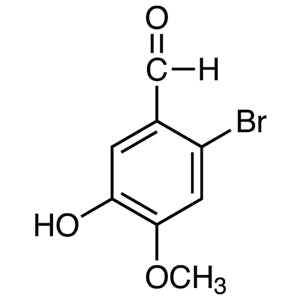
- TCI B4681 2973-59-3 2-Bromo-5-hydroxy-4-methoxybenzaldehyde
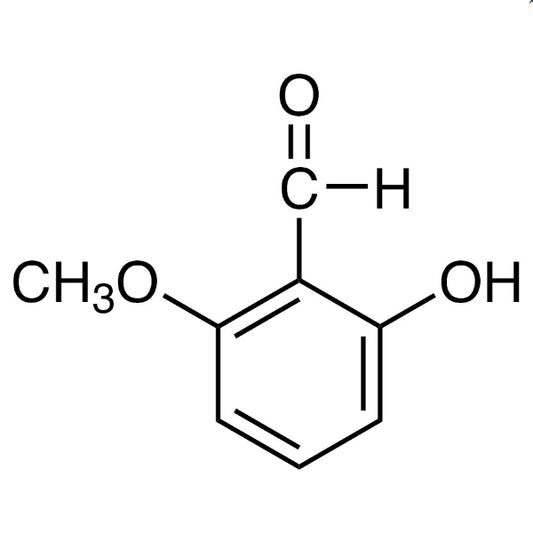
- TCI H1796 700-44-7 2-Hydroxy-6-methoxybenzaldehyde
- TCI H1191 18278-34-7 4-Hydroxy-2-methoxybenzaldehyde
- TCI H0881 672-13-9 2-Hydroxy-5-methoxybenzaldehyde
- TCI H0699 673-22-3 2-Hydroxy-4-methoxybenzaldehyde
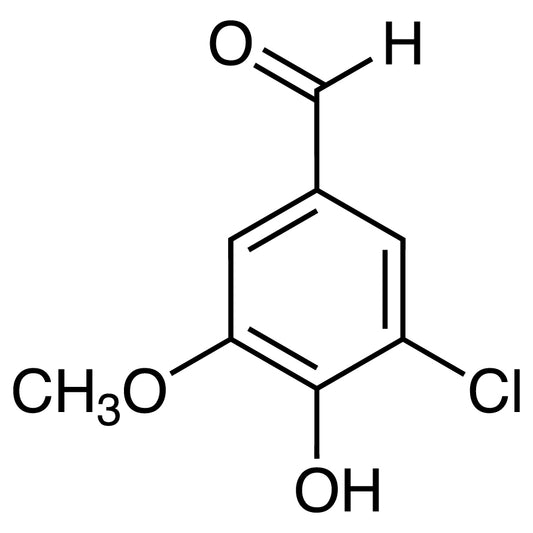
- TCI C3987 19463-48-0 3-Chloro-4-hydroxy-5-methoxybenzaldehyde
- Organic synthesis applications benefit from this compound’s reactivity and functional group versatility, enabling the creation of complex molecules.
- Pharmaceutical research utilizes its structure for the development of new drugs and therapeutic agents due to its chemical adaptability.
- Material science applications leverage its functional groups for the synthesis of advanced polymers and specialty chemicals.
- Analytical chemistry uses it as a standard reference for identifying and quantifying compounds in various samples.
- Industrial chemical production relies on its stability and reactivity to synthesize a wide range of chemical intermediates.
| Brand | TCI |
|---|---|
| CAS number | 20035-41-0 |
| Molecular formula | — |
| Purity | — |
| Category | Chemistry > Building Blocks > Non-Heterocyclic Building Blocks |
| Pack sizes | Available in various sizes to suit different experimental needs |
| Physical form | Solid (exact form may vary depending on supplier) |
| Storage | Store in a cool, dry place away from direct sunlight |
This compound should be stored in a cool, dry environment to maintain its chemical integrity and prevent degradation. It is recommended to use airtight containers to minimize exposure to moisture and air, which can affect its stability. Due to its reactivity, it should be handled with care, using appropriate personal protective equipment such as gloves and safety goggles. It is advisable to store it in a well-ventilated area to avoid any potential hazards associated with volatile components. Proper labeling and storage practices help ensure safe handling and long-term usability in laboratory settings.
—
Produk Terkait
-
2-Bromo-5-hydroxy-4-methoxybenzaldehyde TCI B4681
Regular price Rp 4.293.450,00Regular priceRp 3.001.950,00Sale price Rp 4.293.450,00 -
2-Hydroxy-6-methoxybenzaldehyde TCI H1796
Regular price From Rp 2.862.300,00Regular priceRp 2.001.300,00Sale price From Rp 2.862.300,00 -
4-Hydroxy-2-methoxybenzaldehyde TCI H1191
Regular price From Rp 1.035.300,00Regular priceRp 723.450,00Sale price From Rp 1.035.300,00 -
2-Hydroxy-5-methoxybenzaldehyde TCI H0881
Regular price From Rp 1.988.700,00Regular priceRp 1.390.200,00Sale price From Rp 1.988.700,00 -
2-Hydroxy-4-methoxybenzaldehyde TCI H0699
Regular price From Rp 1.298.850,00Regular priceRp 908.250,00Sale price From Rp 1.298.850,00 -
3-Chloro-4-hydroxy-5-methoxybenzaldehyde TCI C3987
Regular price From Rp 955.500,00Regular priceRp 667.800,00Sale price From Rp 955.500,00 -
2-Bromo-5-methoxybenzaldehyde TCI B6657
Regular price From Rp 3.155.250,00Regular priceRp 2.206.050,00Sale price From Rp 3.155.250,00 -
5'-Bromo-2'-hydroxy-3'-nitroacetophenone TCI B4556
Regular price From Rp 795.900,00Regular priceRp 572.250,00Sale price From Rp 795.900,00