4-Bromo-3-hydroxy-2-naphthoic Acid is a versatile organic compound widely used in synthetic chemistry for its reactivity and structural complexity. This compound plays a crucial role in laboratory settings as a building block for the synthesis of various organic molecules. Its unique functional groups, including bromo and hydroxyl, make it a valuable component in chemical reactions that require substitution or oxidation processes. Due to its chemical stability under controlled conditions, it is a reliable reagent for researchers aiming to develop new compounds.
The compound’s high reactivity stems from its bromo and hydroxyl groups, which are highly susceptible to chemical modifications. These properties make it an ideal candidate for a range of synthetic applications, including the synthesis of heterocyclic and aromatic compounds. Its ability to participate in substitution reactions and its compatibility with various reagents further enhance its utility in laboratory environments. This makes it a preferred choice for chemists working on complex molecular structures.
In Indonesian laboratories, 4-Bromo-3-hydroxy-2-naphthoic Acid is extensively used in organic chemistry research, particularly in academic and research institutions. Its relevance spans across multiple fields, including pharmaceutical development, material science, and industrial chemistry. The compound’s role in synthesizing new compounds with potential applications in various industries underscores its importance in the scientific community.
Related TCI products
- TCI B3180 1779-11-9 7-Bromo-3-hydroxy-2-naphthoic Acid
- TCI H0886 2437-17-4 6-Hydroxy-1-naphthoic Acid
- TCI H0783 6704-40-1 3-Hydroxy-2-naphthoic Acid 2-Chloroanilide
- TCI H0707 143355-56-0 3-Hydroxy-7-methoxy-2-naphthoic Acid
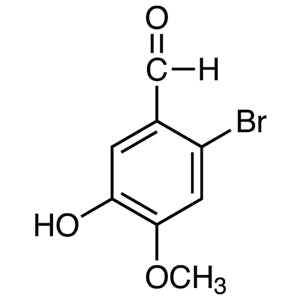
- TCI B4681 2973-59-3 2-Bromo-5-hydroxy-4-methoxybenzaldehyde
- TCI B4949 16650-55-8 4-Bromo-1-naphthoic Acid
- Synthesis of heterocyclic compounds for the development of new pharmaceuticals due to its reactivity and structural versatility.
- Modification of naphthoic acid derivatives through bromo substitution reactions to create functionalized compounds.
- Preparation of aromatic compounds with complex structures by utilizing its hydroxyl and bromo groups in oxidation and substitution processes.
- Research in material science for the creation of advanced polymers and functional materials through chemical modification.
- Organic chemistry studies in academic institutions for teaching and experimental purposes due to its stability and reactivity.
| Brand | TCI |
|---|---|
| CAS number | 2208-15-3 |
| Molecular formula | — |
| Purity | — |
| Category | Chemistry > Building Blocks > Non-Heterocyclic Building Blocks |
| Pack sizes | Available in various quantities as per supplier specifications |
| Physical form | Solid |
| Storage | Store in a cool, dry place away from moisture and heat |
This compound should be stored in a cool, dry environment to maintain its chemical stability. It is essential to keep it away from moisture and high temperatures to prevent degradation. Suitable containers for storage include airtight, glass or plastic vessels that are resistant to chemical reactions. Laboratory personnel should handle the compound with care, using appropriate personal protective equipment such as gloves and safety goggles. Due to its reactivity, it is recommended to work with it in a well-ventilated area or fume hood. Regular monitoring of storage conditions ensures the compound remains effective for its intended applications.
—
Produk Terkait
-
7-Bromo-3-hydroxy-2-naphthoicAcid TCI B3180
Regular price From Rp 822.150,00Regular priceRp 590.100,00Sale price From Rp 822.150,00 -
6-Hydroxy-1-naphthoicAcid TCI H0886
Regular price From Rp 5.803.350,00Regular priceRp 4.074.000,00Sale price From Rp 5.803.350,00 -
3-Hydroxy-2-naphthoicAcid2-Chloroanilide TCI H0783
Regular price Rp 3.153.150,00Regular priceRp 2.220.750,00Sale price Rp 3.153.150,00 -
3-Hydroxy-7-methoxy-2-naphthoicAcid TCI H0707
Regular price Rp 1.934.100,00Regular priceRp 1.368.150,00Sale price Rp 1.934.100,00 -
2-Bromo-5-hydroxy-4-methoxybenzaldehyde TCI B4681
Regular price Rp 4.293.450,00Regular priceRp 3.001.950,00Sale price Rp 4.293.450,00 -
4-Bromo-1-naphthoicAcid TCI B4949
Regular price From Rp 822.150,00Regular priceRp 590.100,00Sale price From Rp 822.150,00 -
6-Bromo-2-naphthoicAcid TCI B3823
Regular price From Rp 1.483.650,00Regular priceRp 1.053.150,00Sale price From Rp 1.483.650,00 -
1-Bromo-2-naphthoicAcid TCI B1617
Regular price Rp 662.550,00Regular priceRp 478.800,00Sale price Rp 662.550,00