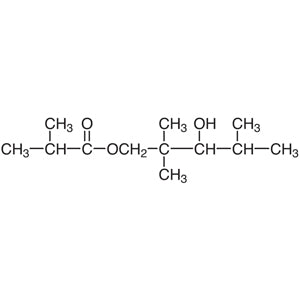
3-Hydroxy-2,2,4-trimethylpentyl Isobutyrate is a chemical compound widely used in laboratory settings for constructing complex molecular structures. As a key building block in organic chemistry, it plays a vital role in the synthesis of both aromatic and aliphatic compounds. Its unique molecular structure, featuring a branched hydrocarbon chain and a hydroxyl group, makes it an essential tool for chemists working on diverse synthetic pathways. This compound is particularly valuable for its reactivity in esterification and substitution reactions, which are fundamental in organic synthesis.
The compound’s polar hydroxyl group and branched hydrocarbon chain contribute to its versatility in chemical reactions. These properties enhance its solubility in various solvents and allow it to participate in a wide range of chemical transformations. Its stability under controlled conditions also makes it suitable for applications requiring high precision. Additionally, its chemical inertness in certain environments ensures that it does not interfere with the intended reaction pathways, making it a reliable choice for synthetic chemists.
In Indonesian laboratories, this compound is commonly used by researchers and scientists for experiments requiring specific molecular structures. Its availability and consistent quality make it a preferred option for both academic and industrial research. The compound’s role in the development of new compounds and its utility in drug synthesis further highlight its importance in the chemical research landscape of Indonesia.
Related TCI products
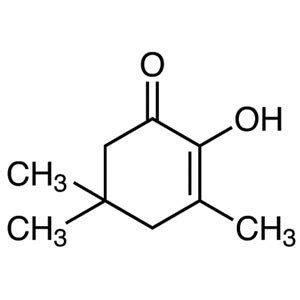
- TCI T2723 4883-60-7 2-Hydroxy-3,5,5-trimethyl-2-cyclohexen-1-one
- TCI I0282 54396-97-3 2-Ethoxyethyl Isobutyrate
- TCI T0997 6846-50-0 2,2,4-Trimethyl-1,3-pentanediol Diisobutyrate
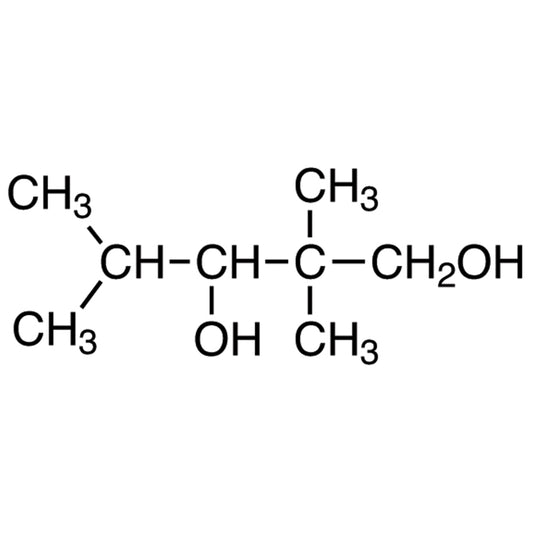
- TCI T0483 144-19-4 2,2,4-Trimethyl-1,3-pentanediol
- TCI T2208 52698-46-1 Trimethyl Orthoisobutyrate
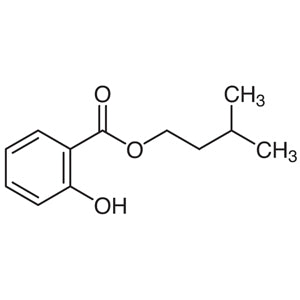
- TCI S0012 87-20-7 Isoamyl Salicylate (contains 2-Methylbutyl Salicylate)
- Synthesis of Aromatic Compounds: This compound is ideal for creating aromatic structures due to its reactivity and compatibility with various synthetic methods.
- Development of Aliphatic Molecules: Its branched hydrocarbon chain allows for the construction of complex aliphatic structures in organic synthesis.
- Esterification Reactions: The hydroxyl group facilitates esterification, making it a valuable reagent in the production of ester derivatives.
- Drug Synthesis Applications: Its stability and reactivity make it suitable for use in pharmaceutical research and development.
- Industrial Chemical Production: It is used in the manufacturing of various industrial chemicals due to its versatile chemical properties.
| Brand | TCI |
|---|---|
| CAS number | 25265-77-4 |
| Molecular formula | — |
| Purity | — |
| Category | Chemistry > Building Blocks > Non-Heterocyclic Building Blocks |
| Pack sizes | Available in various quantities as per standard laboratory supply |
| Physical form | Liquid |
| Storage | Store in a cool, dry place away from direct sunlight |
This compound should be stored in a cool, dry environment to maintain its chemical integrity. It is recommended to keep it in a tightly sealed container to prevent exposure to moisture and air. Due to its chemical nature, it should be handled in a well-ventilated area to minimize inhalation risks. Avoid contact with incompatible materials such as strong oxidizers. Proper personal protective equipment, including gloves and safety goggles, should be worn when handling this compound. Regular monitoring of storage conditions ensures the compound remains stable and safe for use in laboratory applications.
—
Produk Terkait
-
2-Hydroxy-3,5,5-trimethyl-2-cyclohexen-1-one TCI T2723
Regular price Rp 1.273.650,00Regular price -
2-EthoxyethylIsobutyrate TCI I0282
Regular price From Rp 557.550,00Regular price -
2,2,4-Trimethyl-1,3-pentanediolDiisobutyrate TCI T0997
Regular price From Rp 477.750,00Regular price -
2,2,4-Trimethyl-1,3-pentanediol TCI T0483
Regular price From Rp 477.750,00Regular price -
TrimethylOrthoisobutyrate TCI T2208
Regular price Rp 2.411.850,00Regular price -
IsoamylSalicylate(contains2-MethylbutylSalicylate) TCI S0012
Regular price From Rp 505.050,00Regular price -
PropyleneGlycolMonostearate(containsca.35%Monopalmitate) TCI P0614
Regular price Rp 477.750,00Regular price -
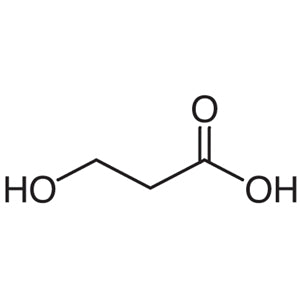
3-HydroxypropionicAcid(containsvaryingamountsof3,3'-OxydipropionicAcid)(ca30%inWater,ca36mol/L) TCI H0297
Regular price From Rp 3.738.000,00Regular price