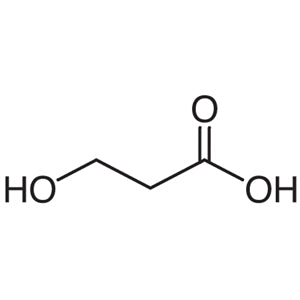
3-Hydroxypropionic Acid is a chemical compound widely used in laboratory settings for its versatility in chemical experiments and organic synthesis. As a fundamental building block in chemistry, it serves as a key component in the creation of more complex molecules. Its simple molecular structure allows for easy modification, making it a valuable tool in various research fields. This compound is particularly useful in synthetic chemistry due to its ability to participate in multiple reaction types, such as substitution, esterification, and oxidation. Its role in the laboratory is essential for researchers aiming to develop new compounds with specific functional properties.
One of the main reasons 3-Hydroxypropionic Acid is preferred is its solubility in water, which simplifies its use in aqueous reactions and makes it accessible for a wide range of applications. Additionally, its ability to react with various functional groups enables the synthesis of diverse chemical structures. The presence of varying amounts of 3,3'-Oxydipropionic Acid further enhances its utility by introducing additional reactivity and structural complexity. These properties make it a reliable and flexible reagent for both academic and industrial research.
In Indonesian laboratories, 3-Hydroxypropionic Acid is commonly used as a starting material in chemical synthesis and research projects. Its availability and reactivity make it a preferred choice for scientists working on pharmaceutical, agricultural, and industrial applications. The compound is frequently utilized in academic institutions and research centers to support experimental work that requires high reactivity and chemical versatility. Its role in supporting innovation in the chemical sciences is well recognized in the Indonesian scientific community.
Related TCI products
- TCI C0144 928-51-8 4-Chloro-1-butanol (contains varying amounts of Tetrahydrofuran)
- TCI S0136 89-08-7 4-Sulfophthalic Acid (contains 3-Sulfophthalic Acid) (ca 50% in Water)
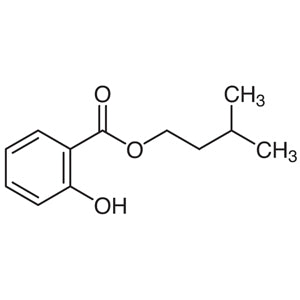
- TCI S0012 87-20-7 Isoamyl Salicylate (contains 2-Methylbutyl Salicylate)
- TCI P0614 1323-39-3 Propylene Glycol Monostearate (contains ca. 35% Monopalmitate)
- TCI I0405 25265-77-4 3-Hydroxy-2,2,4-trimethylpentyl Isobutyrate (contains ca 40% 2,2,4-Trimethyl-1,3-pentanediol 3-Monoisobutyrate)
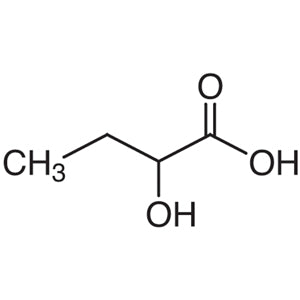
- TCI H0227 600-15-7 DL-2-Hydroxybutyric Acid (contains Polymolecular esterification product)
- Organic synthesis where 3-Hydroxypropionic Acid serves as a versatile building block for creating complex molecules with specific functional groups.
- Pharmaceutical research due to its ability to participate in reactions that lead to the development of new drug compounds.
- Industrial applications in the production of polymers and specialty chemicals where reactivity and structural modification are required.
- Analytical chemistry for use in standardization and calibration of chemical reagents and solutions.
- Environmental studies where the compound is used to simulate or analyze chemical processes in natural and synthetic systems.
| Brand | TCI |
|---|---|
| CAS number | 503-66-2 |
| Molecular formula | — |
| Purity | — |
| Category | Chemistry > Building Blocks > Non-Heterocyclic Building Blocks |
| Pack sizes | Available in various quantities as per supplier specifications |
| Physical form | Solid or liquid depending on concentration and formulation |
| Storage | Store in a cool, dry place away from direct sunlight and moisture |
3-Hydroxypropionic Acid should be stored in a cool, dry environment to maintain its chemical integrity and prevent degradation. It is recommended to use airtight containers made of materials that are chemically inert, such as glass or high-density polyethylene, to avoid contamination and reaction with the container. Since the compound is soluble in water, it should be kept away from moisture sources to prevent unwanted hydrolysis. In laboratory settings, it is important to handle the material with appropriate personal protective equipment, including gloves and safety goggles, to ensure safe handling. Proper labeling and storage conditions are essential to maintain the quality and safety of the compound during use and storage.
—
Produk Terkait
-
4-Chloro-1-butanol(containsvaryingamountsofTetrahydrofuran) TCI C0144
Regular price From Rp 1.510.950,00Regular price -
4-SulfophthalicAcid(contains3-SulfophthalicAcid)(ca50%inWater) TCI S0136
Regular price From Rp 557.550,00Regular price -
IsoamylSalicylate(contains2-MethylbutylSalicylate) TCI S0012
Regular price From Rp 505.050,00Regular price -
PropyleneGlycolMonostearate(containsca.35%Monopalmitate) TCI P0614
Regular price Rp 477.750,00Regular price -
3-Hydroxy-2,2,4-trimethylpentylIsobutyrate(containsca40%2,2,4-Trimethyl-1,3-pentanediol3-Monoisobutyrate) TCI I0405
Regular price From Rp 505.050,00Regular price -
DL-2-HydroxybutyricAcid(containsPolymolecularesterificationproduct) TCI H0227
Regular price Rp 4.213.650,00Regular price -
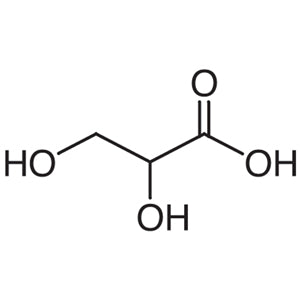
DL-GlycericAcid(20%inWater,ca2mol/L) TCI D0602
Regular price From Rp 743.400,00Regular price -
Methyl2,2-Dimethoxypropionate TCI D2382
Regular price Rp 6.465.900,00Regular price