


DL-2-Hydroxybutyric Acid (DL-2-HBA) is a chemical compound widely used in laboratory settings for its versatility in chemical reactions and molecular synthesis. As a building block in organic chemistry, it plays a crucial role in the development of complex molecules, particularly in esterification processes. Its simple chemical structure allows for easy modification, making it a valuable tool for researchers and chemists. This compound is commonly found in various chemical experiments and is essential for the synthesis of polymers, pharmaceuticals, and industrial chemicals. Its reactivity and functional group make it a key component in many synthetic pathways.
DL-2-Hydroxybutyric Acid is preferred for its high purity and consistent chemical properties, which ensure reliable results in laboratory experiments. It exhibits good solubility in organic solvents such as ethyl acetate and ethanol, facilitating easy mixing and reaction processes. The compound is stable under certain conditions but becomes more reactive in basic or high-temperature environments, which is advantageous for specific chemical transformations. Its ability to participate in esterification and hydrolysis reactions makes it a versatile reagent in both academic and industrial research.
In Indonesian laboratories, DL-2-Hydroxybutyric Acid is extensively used in chemical research and development. It is a fundamental reagent in the synthesis of various organic compounds and is commonly found in academic and industrial laboratories. Its availability and chemical properties make it a go-to material for researchers working on polymer synthesis, drug development, and other chemical applications. The compound's role in Indonesian laboratories is significant, supporting both educational and industrial chemical processes.
Related TCI products
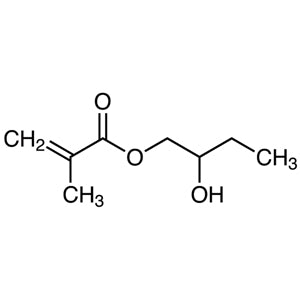
- TCI H1714 13159-51-8 2-Hydroxybutyl Methacrylate (mixture of isomers) (stabilized with MEHQ)
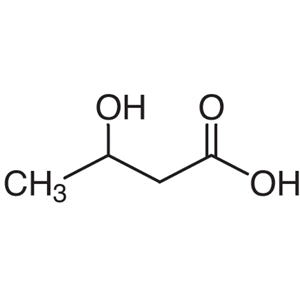
- TCI H0228 300-85-6 DL-3-Hydroxybutyric Acid (contains Polymolecular esterification product)
- TCI H0231 150-83-4 Sodium DL-3-Hydroxybutyrate
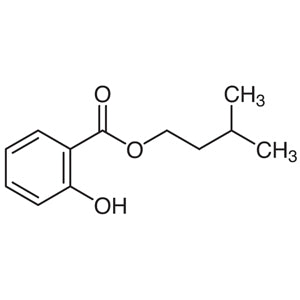
- TCI S0012 87-20-7 Isoamyl Salicylate (contains 2-Methylbutyl Salicylate)
- TCI P0614 1323-39-3 Propylene Glycol Monostearate (contains ca. 35% Monopalmitate)
- TCI I0405 25265-77-4 3-Hydroxy-2,2,4-trimethylpentyl Isobutyrate (contains ca 40% 2,2,4-Trimethyl-1,3-pentanediol 3-Monoisobutyrate)
- Polymer synthesis where esterification reactions are required due to its ability to form ester bonds.
- Pharmaceutical research for the development of drug molecules involving ester functionalities.
- Organic chemistry experiments focused on building complex molecular structures through esterification.
- Industrial chemical production where stable and reactive compounds are needed for synthesis processes.
- Teaching laboratories for demonstrating esterification and hydrolysis reactions in undergraduate courses.
| Brand | TCI |
|---|---|
| CAS number | 600-15-7 |
| Molecular formula | — |
| Purity | — |
| Category | Chemistry > Building Blocks > Non-Heterocyclic Building Blocks |
| Pack sizes | Available in various quantities as per supplier specifications |
| Physical form | Solid or crystalline, depending on the batch |
| Storage | Store in a cool, dry place away from moisture and direct sunlight |
DL-2-Hydroxybutyric Acid should be stored in a cool, dry environment to maintain its chemical stability and prevent degradation. It is recommended to keep the compound in airtight containers to avoid moisture exposure, which can affect its reactivity and purity. Suitable storage containers include glass or high-density polyethylene (HDPE) bottles with secure lids. In laboratory settings, it is important to handle the compound with care, using appropriate personal protective equipment such as gloves and safety goggles. Avoid exposure to high temperatures and direct sunlight to ensure the compound remains in optimal condition for use. Regular monitoring of storage conditions is advised to maintain its integrity and effectiveness in chemical applications.
—
Produk Terkait
-
2-HydroxybutylMethacrylate(mixtureofisomers)(stabilizedwithMEHQ) TCI H1714
Regular price From Rp 743.400,00Regular price -
DL-3-HydroxybutyricAcid(containsPolymolecularesterificationproduct) TCI H0228
Regular price From Rp 1.829.100,00Regular price -
SodiumDL-3-Hydroxybutyrate TCI H0231
Regular price Rp 2.862.300,00Regular price -
IsoamylSalicylate(contains2-MethylbutylSalicylate) TCI S0012
Regular price From Rp 505.050,00Regular price -
PropyleneGlycolMonostearate(containsca.35%Monopalmitate) TCI P0614
Regular price Rp 477.750,00Regular price -
3-Hydroxy-2,2,4-trimethylpentylIsobutyrate(containsca40%2,2,4-Trimethyl-1,3-pentanediol3-Monoisobutyrate) TCI I0405
Regular price From Rp 505.050,00Regular price -
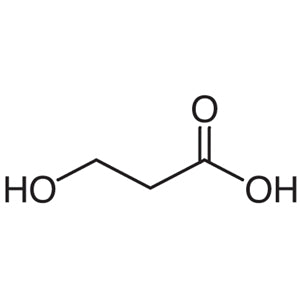
3-HydroxypropionicAcid(containsvaryingamountsof3,3'-OxydipropionicAcid)(ca30%inWater,ca36mol/L) TCI H0297
Regular price From Rp 3.738.000,00Regular price -
N,N-DimethylformamideDimethylAcetal[forEsterification] TCI D2071
Regular price Rp 1.856.400,00Regular price


![N,N-Dimethylformamide Dimethyl Acetal [for Esterification] (CAS 4637-24-5) - TCI D2071 - AMI Scientific](http://amiscientific.com/cdn/shop/files/TCI2510D2071.jpg?v=1767104141&width=533)