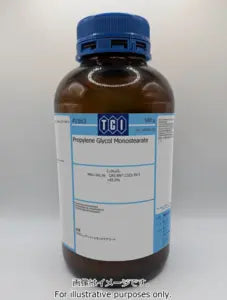
Propylene Glycol Monostearate (contains ca. 35% Monopalmitate) from TCI, product code P0614, is a fatty acid ester of propylene glycol. It is a mixture made up mainly of the monostearate and containing approximately 35% monopalmitate. The compound is a nonionic surfactant with an amphiphilic structure: one end of the molecule is a long, oil-loving fatty acid chain, and the other end carries a free, more polar hydroxyl group. In the laboratory it is used for emulsion research, formulation work, and the study of lipid-based systems.
Researchers choose this material because it works as a mild emulsifier and stabilizer. Its saturated stearyl and palmityl chains mean it is usually a waxy solid at room temperature, so it can add viscosity and structure to creams and emulsions. It carries no charge, which makes its behaviour relatively insensitive to the pH or ionic content of a formulation. Its composition is clearly defined as a monostearate mixture with a known share of monopalmitate. That helps researchers get more consistent results when they compare formulations across experiments.
In Indonesian laboratories, this material is relevant to pharmaceutical technology research, especially the development of topical preparations and lipid-based nanoparticle systems. University formulation laboratories, pharmacy faculties, and research groups working on emulsion science can use it as a reference nonionic emulsifier when studying how a formulation's composition affects its texture, stability, and physical behaviour. Its defined composition also makes it suitable for student practical work and for comparative studies, where consistent material from batch to batch helps keep experimental conclusions reliable.
Related TCI products
- TCI P2163 1323-39-3 Propylene Glycol Monostearate
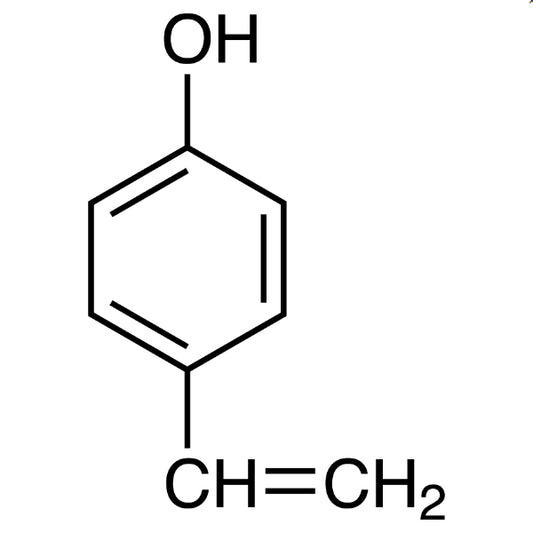
- TCI V0088 2628-17-3 4-Vinylphenol (ca. 10% in Propylene Glycol)
- TCI P1171 108-65-6 Propylene Glycol 1-Monomethyl Ether 2-Acetate
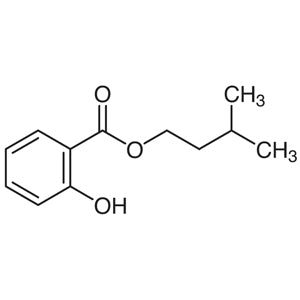
- TCI S0012 87-20-7 Isoamyl Salicylate (contains 2-Methylbutyl Salicylate)
- TCI I0405 25265-77-4 3-Hydroxy-2,2,4-trimethylpentyl Isobutyrate (contains ca 40% 2,2,4-Trimethyl-1,3-pentanediol 3-Monoisobutyrate)
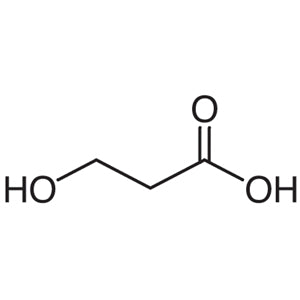
- TCI H0297 503-66-2 3-Hydroxypropionic Acid (contains varying amounts of 3,3'-Oxydipropionic Acid) (ca 30% in Water, ca 36mol/L)
- Emulsion research: its amphiphilic structure, with a lipophilic fatty acid chain and a polar hydroxyl group, lets researchers study how oil and water phases are stabilized by a mild nonionic emulsifier.
- Topical formulation development: because it is a waxy solid at room temperature, it adds viscosity and structure to creams and semi-solid preparations studied in pharmaceutical technology laboratories.
- Lipid-based system studies: its saturated stearyl and palmityl chains make it a relevant component when building and characterizing lipid matrices and lipid-based carrier systems in formulation research.
- Formulations sensitive to pH or ions: since the molecule carries no charge, its emulsifying behaviour stays relatively stable across different pH levels and electrolyte contents, which simplifies comparative experiments.
- Comparative formulation experiments: its clearly defined composition, monostearate with roughly 35% monopalmitate, supports reproducible results when researchers compare formulation variables across separate experimental runs.
| Brand | TCI (product code P0614) |
|---|---|
| CAS number | 1323-39-3 |
| Molecular formula | — |
| Purity | — |
| Category | Chemistry > Building Blocks > Non-Heterocyclic Building Blocks |
| Pack sizes | as listed in the TCI catalogue. Please confirm which pack sizes are available when you order. |
| Physical form | usually a waxy solid at room temperature |
| Storage | follow the conditions on the product label and the supplier's Safety Data Sheet |
Store this material in its original, tightly closed container in a cool, dry, well-ventilated place, away from direct sunlight and heat sources. Because it is a waxy solid, keep it away from high temperatures so it does not soften or change in physical form. After opening, reseal the container promptly to limit exposure to moisture and contamination. Use clean, dry spatulas and glass or compatible plastic containers when weighing out or transferring portions. Follow good laboratory practice: wear gloves, safety glasses, and a lab coat, avoid creating dust or inhaling it, and wash your hands after handling. Read the supplier's Safety Data Sheet before use, and dispose of waste according to your institution's chemical waste procedures.
—
Produk Terkait
-
PropyleneGlycolMonostearate TCI P2163
Regular price From Rp 530.250,00Regular priceRp 386.400,00Sale price From Rp 530.250,00 -
4-Vinylphenol(ca.10%inPropyleneGlycol) TCI V0088
Regular price From Rp 1.351.350,00Regular priceRp 960.750,00Sale price From Rp 1.351.350,00 -
PropyleneGlycol1-MonomethylEther2-Acetate TCI P1171
Regular price Rp 610.050,00Regular priceRp 426.300,00Sale price Rp 610.050,00 -
IsoamylSalicylate(contains2-MethylbutylSalicylate) TCI S0012
Regular price From Rp 505.050,00Regular priceRp 352.800,00Sale price From Rp 505.050,00 -
3-Hydroxy-2,2,4-trimethylpentylIsobutyrate(containsca40%2,2,4-Trimethyl-1,3-pentanediol3-Monoisobutyrate) TCI I0405
Regular price From Rp 505.050,00Regular priceRp 352.800,00Sale price From Rp 505.050,00 -
3-HydroxypropionicAcid(containsvaryingamountsof3,3'-OxydipropionicAcid)(ca30%inWater,ca36mol/L) TCI H0297
Regular price From Rp 3.790.500,00Regular priceRp 2.665.950,00Sale price From Rp 3.790.500,00 -
DL-2-HydroxybutyricAcid(containsPolymolecularesterificationproduct) TCI H0227
Regular price Rp 4.266.150,00Regular priceRp 2.998.800,00Sale price Rp 4.266.150,00 -
NeopentylGlycolMono(hydroxypivalate) TCI N0461
Regular price From Rp 928.200,00Regular priceRp 664.650,00Sale price From Rp 928.200,00