Propylene Glycol Monostearate (PGMS), with the CAS number 1323-39-3, is a versatile chemical compound widely used in laboratory settings. As an ester derived from stearic acid and propylene glycol, PGMS serves as an emulsifier and surfactant, playing a critical role in the formulation of emulsions, solvents, and food additives. Its ability to blend immiscible substances like oil and water makes it essential for various chemical reactions and product development processes. In the laboratory, PGMS is a fundamental building block that supports the creation of stable and functional chemical systems.
The chemical properties of PGMS make it a preferred choice for laboratory applications. It exhibits chemical stability, does not readily degrade, and has good solubility in organic solvents. These characteristics ensure consistent performance across a range of experimental conditions, making it reliable for both research and industrial applications. Additionally, PGMS is non-toxic in normal dosages, contributing to its safety profile in laboratory environments. This combination of stability, solubility, and safety enhances its utility in diverse chemical processes.
In Indonesian laboratories, PGMS is extensively used in chemical, pharmaceutical, and food-related research. It is commonly employed in the development of new products, formulation testing, and basic chemical experiments. Its availability and reliability make it a go-to material for researchers and institutions seeking stable and effective chemical solutions. The widespread use of PGMS underscores its importance in supporting scientific innovation and experimentation in Indonesia.
Related TCI products
- TCI P0614 1323-39-3 Propylene Glycol Monostearate (contains ca. 35% Monopalmitate)
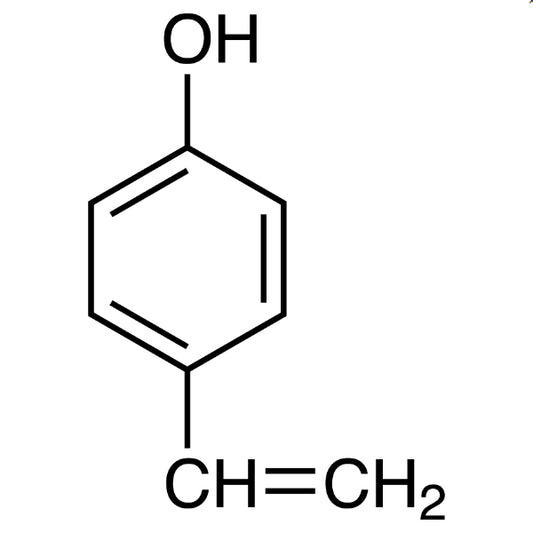
- TCI V0088 2628-17-3 4-Vinylphenol (ca. 10% in Propylene Glycol)
- TCI P1171 108-65-6 Propylene Glycol 1-Monomethyl Ether 2-Acetate
- TCI N0461 1115-20-4 Neopentyl Glycol Mono(hydroxypivalate)
- TCI E0414 25909-66-4 Ethylene Glycol Bis[4-(ethoxycarbonyl)phenyl] Ether
- TCI E0016 75-56-9 Propylene Oxide
- Emulsification Testing: PGMS is ideal for creating stable emulsions, which are essential in food and pharmaceutical product development.
- Surfactant Analysis: Its surfactant properties make it suitable for studying surface tension and interfacial behavior in chemical systems.
- Food Additive Formulation: PGMS is used in the development of food products to improve texture and stability, mimicking natural fat structures.
- Pharmaceutical Excipient Testing: It serves as a model compound for evaluating the behavior of emulsifiers in drug delivery systems.
- Organic Solvent Compatibility Studies: PGMS is used to assess solubility and compatibility in various organic solvent systems for chemical synthesis.
| Brand | TCI |
|---|---|
| CAS number | 1323-39-3 |
| Molecular formula | — |
| Purity | — |
| Category | Chemistry > Building Blocks > Non-Heterocyclic Building Blocks |
| Pack sizes | Available in various quantities as per standard laboratory supply options |
| Physical form | Solid, waxy appearance |
| Storage | Store in a cool, dry place away from direct sunlight and moisture |
PGMS should be stored in a cool, dry environment to maintain its chemical stability and prevent degradation. It is recommended to use airtight containers to protect it from moisture and contaminants. Due to its solid form, it should be handled with care to avoid physical damage. In laboratory settings, it is important to ensure proper ventilation when working with PGMS to minimize exposure. As it is non-toxic in normal use, standard laboratory safety protocols should be followed. Regular inspection of storage conditions ensures the material remains in optimal condition for use in experiments and formulations.
—
Produk Terkait
-
PropyleneGlycolMonostearate(containsca.35%Monopalmitate) TCI P0614
Regular price Rp 530.250,00Regular priceRp 386.400,00Sale price Rp 530.250,00 -
4-Vinylphenol(ca.10%inPropyleneGlycol) TCI V0088
Regular price From Rp 1.351.350,00Regular priceRp 960.750,00Sale price From Rp 1.351.350,00 -
PropyleneGlycol1-MonomethylEther2-Acetate TCI P1171
Regular price Rp 610.050,00Regular priceRp 426.300,00Sale price Rp 610.050,00 -
NeopentylGlycolMono(hydroxypivalate) TCI N0461
Regular price From Rp 928.200,00Regular priceRp 664.650,00Sale price From Rp 928.200,00 -
EthyleneGlycolBis[4-(ethoxycarbonyl)phenyl]Ether TCI E0414
Regular price Rp 5.697.300,00Regular priceRp 3.999.450,00Sale price Rp 5.697.300,00 -
PropyleneOxide TCI E0016
Regular price From Rp 452.550,00Regular priceRp 316.050,00Sale price From Rp 452.550,00 -
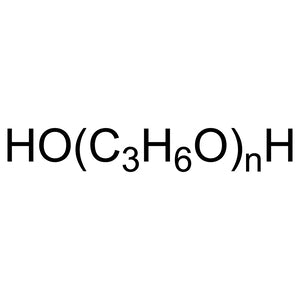
Poly(propyleneglycol)4000 TCI P3279
Regular price From Rp 557.550,00Regular priceRp 405.300,00Sale price From Rp 557.550,00 -
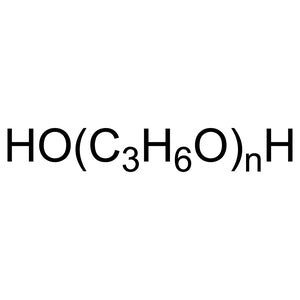
Poly(propyleneglycol)3000 TCI P3278
Regular price From Rp 557.550,00Regular priceRp 405.300,00Sale price From Rp 557.550,00