![Ethylene Glycol Bis[4-(ethoxycarbonyl)phenyl] Ether (CAS 25909-66-4) - TCI E0414 - AMI Scientific](http://amiscientific.com/cdn/shop/files/TCI2510E0414.jpg?v=1767111219&width=1946)
![Ethylene Glycol Bis[4-(ethoxycarbonyl)phenyl] Ether (CAS 25909-66-4) - TCI E0414 - AMI Scientific](http://amiscientific.com/cdn/shop/files/TCI2510E0414.jpg?v=1767111219&width=1445)
Ethylene Glycol Bis[4-(ethoxycarbonyl)phenyl] Ether is a chemical compound widely used in laboratory settings for the synthesis of complex organic molecules. As a building block in organic chemistry, it plays a crucial role in constructing molecular structures with specific functional groups. Its versatility allows it to participate in various chemical reactions, making it an essential component for researchers aiming to develop new compounds. This compound is particularly valuable for its ability to interact with a range of functional groups, enabling the formation of diverse molecular architectures.
The compound is known for its chemical stability and reactivity, which contribute to its effectiveness in synthetic processes. These properties allow it to undergo substitution, condensation, and other reactions with transition metals, enhancing its utility in organic synthesis. Its molecular structure provides the flexibility needed for multiple reaction pathways, making it a preferred choice for chemists working on complex molecular designs. The compound’s ability to form stable intermediates further supports its application in various synthetic routes.
In Indonesian laboratories, Ethylene Glycol Bis[4-(ethoxycarbonyl)phenyl] Ether is commonly used by researchers and students in the fields of organic chemistry, pharmaceuticals, and materials science. Its availability in the local market facilitates experimental work, enabling the development of new compounds and materials. The compound's role in creating complex structures makes it a key reagent for both academic and industrial research applications.
Related TCI products
- TCI E0928 99469-99-5 2-(3-Ethoxy-4-ethoxycarbonylphenyl)acetic Acid
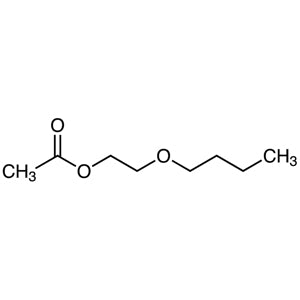
- TCI B0700 112-07-2 Ethylene Glycol Monobutyl Ether Acetate
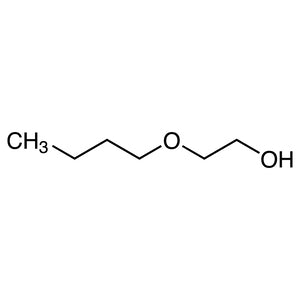
- TCI B0698 111-76-2 Ethylene Glycol Monobutyl Ether
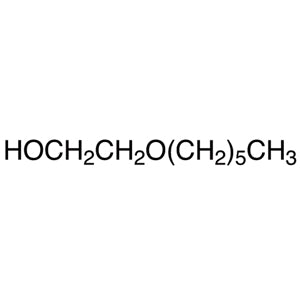
- TCI H0343 112-25-4 Ethylene Glycol Monohexyl Ether
- TCI E1335 54914-85-1 Ethylene Glycol Di(m-tolyl) Ether
- TCI E0514 2807-30-9 Ethylene Glycol Monopropyl Ether
- Organic synthesis: This compound is widely used in the synthesis of complex organic molecules due to its reactivity and ability to form stable intermediates.
- Pharmaceutical research: It serves as a building block for the development of new drugs, particularly in the synthesis of bioactive compounds.
- Material science: The compound is utilized in the creation of advanced materials, including polymers and functional coatings, due to its structural versatility.
- Transition metal chemistry: Its ability to react with transition metals makes it valuable in catalytic processes and coordination chemistry studies.
- Structural chemistry: It is employed in the study of molecular structures and functional group interactions, supporting research in chemical bonding and reactivity.
| Brand | TCI |
|---|---|
| CAS number | 25909-66-4 |
| Molecular formula | — |
| Purity | — |
| Category | Chemistry > Building Blocks > Non-Heterocyclic Building Blocks |
| Pack sizes | Available in various quantities to meet different research needs |
| Physical form | Solid or liquid, depending on the specific product variant |
| Storage | Store in a cool, dry place away from direct sunlight and incompatible substances |
Ethylene Glycol Bis[4-(ethoxycarbonyl)phenyl] Ether should be stored in a cool, dry environment to maintain its chemical stability. It is recommended to keep the compound in a tightly sealed container to prevent exposure to moisture and air. Due to its reactivity, it should be stored away from strong oxidizing agents and incompatible materials. Laboratory personnel should wear appropriate personal protective equipment, including gloves and safety goggles, when handling the compound. Proper ventilation is essential to minimize inhalation risks. Regular monitoring of storage conditions ensures the compound remains in optimal condition for use in research applications.
—
Produk Terkait
-
2-(3-Ethoxy-4-ethoxycarbonylphenyl)aceticAcid TCI E0928
Regular price From Rp 1.590.750,00Regular price -
EthyleneGlycolMonobutylEtherAcetate TCI B0700
Regular price From Rp 452.550,00Regular price -
EthyleneGlycolMonobutylEther TCI B0698
Regular price From Rp 477.750,00Regular price -
EthyleneGlycolMonohexylEther TCI H0343
Regular price From Rp 505.050,00Regular price -
EthyleneGlycolDi(m-tolyl)Ether TCI E1335
Regular price From Rp 1.856.400,00Regular price -
EthyleneGlycolMonopropylEther TCI E0514
Regular price From Rp 557.550,00Regular price -
EthyleneGlycolMono(4-bromophenyl)Ether TCI E0504
Regular price Rp 7.394.100,00Regular price -
EthyleneGlycolMonoacetoacetateMonomethacrylate(stabilizedwithBHT) TCI E0489
Regular price From Rp 955.500,00Regular price