Ethylene Glycol Monobutyl Ether Acetate (EGMEA) is a versatile chemical compound widely used in laboratory settings for its exceptional solvating properties. As a solvent, it plays a crucial role in various chemical processes, including the synthesis and purification of organic compounds. Its ability to dissolve a wide range of organic substances makes it an essential reagent in both research and industrial applications. EGMEA is particularly valued for its effectiveness in creating stable mixtures and its compatibility with a variety of chemical systems.
EGMEA is preferred due to its moderate volatility, high solvency power, and environmental friendliness. These characteristics make it suitable for use in laboratories that prioritize sustainability and safety. It is non-corrosive and relatively safe when handled properly, reducing the risk of chemical exposure. Additionally, its low toxicity and ease of evaporation simplify cleanup procedures and support repeated use in experimental workflows. These properties contribute to its reliability and widespread adoption in chemical laboratories.
In Indonesian laboratories, EGMEA is commonly used in organic synthesis, chemical analysis, and the development of new chemical products. Its role is particularly important in academic and industrial research, where efficient and safe solvents are essential. The compound’s availability and performance make it a go-to choice for scientists and technicians working in diverse chemical applications. Its relevance continues to grow as laboratories seek sustainable and effective solutions for their experimental needs.
Related TCI products
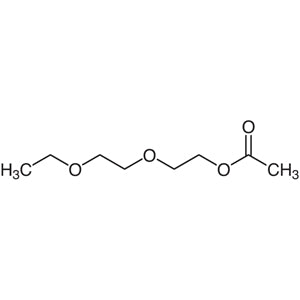
- TCI D0500 112-15-2 Diethylene Glycol Monoethyl Ether Acetate
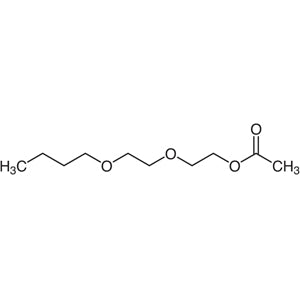
- TCI D0499 124-17-4 Diethylene Glycol Monobutyl Ether Acetate
- TCI P1171 108-65-6 Propylene Glycol 1-Monomethyl Ether 2-Acetate
- TCI E0489 21282-97-3 Ethylene Glycol Monoacetoacetate Monomethacrylate (stabilized with BHT)
- TCI E0414 25909-66-4 Ethylene Glycol Bis[4-(ethoxycarbonyl)phenyl] Ether
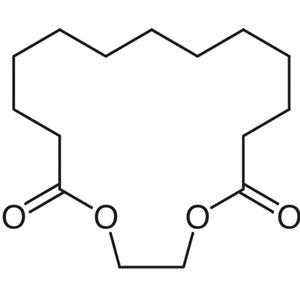
- TCI E0344 105-95-3 Ethylene Glycol Brassylate
- Organic synthesis experiments benefit from EGMEA’s ability to dissolve a wide range of organic compounds, facilitating reaction efficiency and product isolation.
- Chemical analysis requires a reliable solvent that can dissolve samples without interfering with analytical results, and EGMEA provides consistent performance in such scenarios.
- Formulation development in the chemical industry relies on EGMEA’s solvency and stability to create homogeneous mixtures for product testing and refinement.
- Environmental testing laboratories use EGMEA as a non-toxic alternative to more hazardous solvents, aligning with sustainability goals and regulatory standards.
- Sample preparation in analytical chemistry benefits from EGMEA’s moderate volatility and non-corrosive nature, ensuring safe and effective handling during sample processing.
| Brand | TCI |
|---|---|
| CAS number | 112-07-2 |
| Molecular formula | — |
| Purity | — |
| Category | Chemistry > Building Blocks > Non-Heterocyclic Building Blocks |
| Pack sizes | Available in various standard sizes as per supplier specifications |
| Physical form | Liquid |
| Storage | Store in a cool, dry place away from direct sunlight and incompatible materials |
EGMEA should be stored in a cool, dry environment, away from direct sunlight and sources of heat. It is recommended to use sealed containers made of materials compatible with organic solvents, such as glass or high-density polyethylene. Proper ventilation is essential when handling EGMEA to minimize inhalation exposure. Due to its moderate volatility, it should be kept in a well-ventilated area or fume hood. Always follow standard laboratory safety protocols, including the use of personal protective equipment like gloves and goggles. Regular monitoring of storage conditions ensures the stability and safety of the compound during long-term use.
—
Produk Terkait
-
DiethyleneGlycolMonoethylEtherAcetate TCI D0500
Regular price From Rp 477.750,00Regular priceRp 333.900,00Sale price From Rp 477.750,00 -
DiethyleneGlycolMonobutylEtherAcetate TCI D0499
Regular price From Rp 477.750,00Regular priceRp 333.900,00Sale price From Rp 477.750,00 -
PropyleneGlycol1-MonomethylEther2-Acetate TCI P1171
Regular price Rp 610.050,00Regular priceRp 426.300,00Sale price Rp 610.050,00 -
EthyleneGlycolMonoacetoacetateMonomethacrylate(stabilizedwithBHT) TCI E0489
Regular price From Rp 1.008.000,00Regular priceRp 720.300,00Sale price From Rp 1.008.000,00 -
EthyleneGlycolBis[4-(ethoxycarbonyl)phenyl]Ether TCI E0414
Regular price Rp 5.697.300,00Regular priceRp 3.999.450,00Sale price Rp 5.697.300,00 -
EthyleneGlycolBrassylate TCI E0344
Regular price Rp 1.618.050,00Regular priceRp 1.146.600,00Sale price Rp 1.618.050,00 -
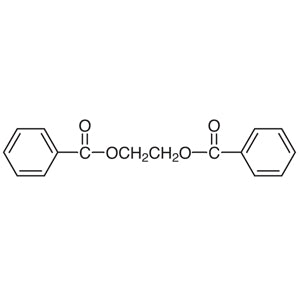
EthyleneGlycolDibenzoate TCI E0300
Regular price Rp 3.710.700,00Regular priceRp 2.610.300,00Sale price Rp 3.710.700,00 -
EthyleneGlycolDiacetate TCI E0109
Regular price From Rp 505.050,00Regular priceRp 352.800,00Sale price From Rp 505.050,00