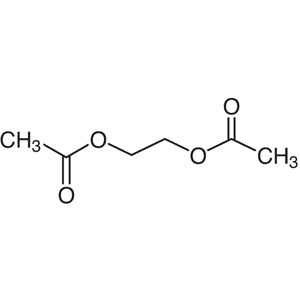
Ethylene Glycol Diacetate (EGDA) is a versatile chemical compound widely used in laboratory settings, particularly in organic synthesis. As a building block in chemical reactions, EGDA plays a crucial role in the development of complex molecular structures. Its simple molecular structure allows for efficient functional group attachment, making it an essential reagent in the synthesis of various organic compounds. EGDA is commonly utilized in the production of polymers, solvents, and industrial chemicals, offering researchers a reliable and flexible tool for experimentation.
EGDA is valued for its chemical stability and favorable reactivity under different reaction conditions. It is soluble in organic solvents such as ethyl acetate and ethanol, which simplifies mixing and reaction processes in the lab. Its non-toxic nature and ease of handling make it a safe and efficient choice for a wide range of chemical applications. Additionally, EGDA has a relatively high boiling point, allowing it to be used in high-temperature reaction environments. These properties collectively make EGDA a preferred material for laboratory use.
In Indonesian laboratories, EGDA is extensively used in chemical research and development. It supports the creation of new compounds with specific properties, contributing to advancements in materials science and industrial chemistry. Its availability and reliability make it a common choice for both academic and industrial research settings in Indonesia. EGDA’s role in supporting diverse chemical processes ensures its continued importance in the scientific community.
Related TCI products
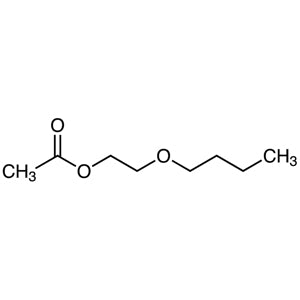
- TCI B0700 112-07-2 Ethylene Glycol Monobutyl Ether Acetate
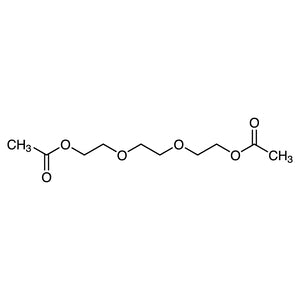
- TCI T0923 111-21-7 Triethylene Glycol Diacetate
- TCI E0489 21282-97-3 Ethylene Glycol Monoacetoacetate Monomethacrylate (stabilized with BHT)
- TCI E0414 25909-66-4 Ethylene Glycol Bis[4-(ethoxycarbonyl)phenyl] Ether
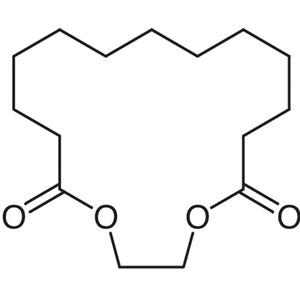
- TCI E0344 105-95-3 Ethylene Glycol Brassylate
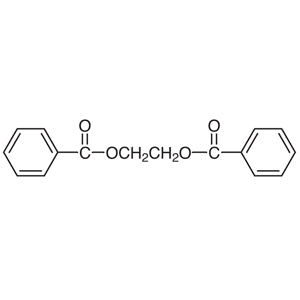
- TCI E0300 94-49-5 Ethylene Glycol Dibenzoate
- Organic synthesis: EGDA is widely used in the synthesis of complex organic molecules due to its ability to participate in various chemical reactions.
- Polymer production: It serves as a building block in the creation of polymers, contributing to the development of new materials with specific properties.
- Solvent applications: EGDA is used as a solvent in chemical reactions, offering compatibility with a range of organic compounds and facilitating reaction processes.
- Industrial chemical manufacturing: It is a key component in the production of industrial chemicals, supporting the development of various chemical products.
- Research and development: EGDA is commonly used in R&D settings to explore new chemical pathways and create novel compounds with desired characteristics.
| Brand | TCI |
|---|---|
| CAS number | 111-55-7 |
| Molecular formula | — |
| Purity | — |
| Category | Chemistry > Building Blocks > Non-Heterocyclic Building Blocks |
| Pack sizes | Available in various quantities as per supplier specifications |
| Physical form | Liquid |
| Storage | Store in a cool, dry place away from direct sunlight |
EGDA should be stored in a cool, dry environment, away from direct sunlight and sources of heat. It is recommended to use airtight containers made of glass or high-density polyethylene to prevent contamination and evaporation. Due to its solubility in organic solvents, it is important to ensure proper sealing to maintain its integrity. In laboratory settings, EGDA should be handled with care, using appropriate personal protective equipment such as gloves and safety goggles. It is not considered hazardous under normal conditions, but standard laboratory safety protocols should be followed to ensure safe usage and storage.
—
Produk Terkait
-
EthyleneGlycolMonobutylEtherAcetate TCI B0700
Regular price From Rp 452.550,00Regular price -
TriethyleneGlycolDiacetate TCI T0923
Regular price From Rp 769.650,00Regular price -
EthyleneGlycolMonoacetoacetateMonomethacrylate(stabilizedwithBHT) TCI E0489
Regular price From Rp 955.500,00Regular price -
EthyleneGlycolBis[4-(ethoxycarbonyl)phenyl]Ether TCI E0414
Regular price Rp 5.644.800,00Regular price -
EthyleneGlycolBrassylate TCI E0344
Regular price Rp 1.565.550,00Regular price -
EthyleneGlycolDibenzoate TCI E0300
Regular price Rp 3.658.200,00Regular price -
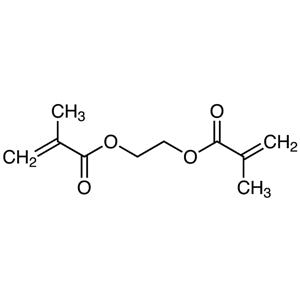
EthyleneGlycolDimethacrylate(stabilizedwithHQ) TCI E0102
Regular price From Rp 452.550,00Regular price -
DiethyleneGlycolDiacetate TCI D1230
Regular price From Rp 980.700,00Regular price

![Ethylene Glycol Bis[4-(ethoxycarbonyl)phenyl] Ether (CAS 25909-66-4) - TCI E0414 - AMI Scientific](http://amiscientific.com/cdn/shop/files/TCI2510E0414.jpg?v=1767111219&width=533)