Propylene Glycol 1-Methyl Ether 2-Acetate (CAS No. 108-65-6) is a chemical compound widely used in laboratory settings as a versatile building block in organic synthesis. This compound plays a crucial role in various chemical reactions, particularly in the development of complex organic molecules. Its unique molecular structure allows it to act as both a solvent and a reagent, making it an essential component in many synthetic processes. Due to its stability and non-toxic nature, it is a preferred choice for researchers seeking reliable and safe chemical intermediates.
The compound is known for its excellent solubility in organic solvents and its resistance to certain chemical reactions, which enhances its utility in laboratory applications. Its high boiling point and low volatility contribute to its stability during chemical processes, reducing the risk of evaporation and ensuring consistent performance. These properties make it an ideal choice for experiments that require a stable and reliable solvent. Additionally, its compatibility with a wide range of reagents and its ability to participate in various functional group transformations further solidify its importance in synthetic chemistry.
In Indonesian laboratories, Propylene Glycol 1-Methyl Ether 2-Acetate is commonly used in organic chemistry, pharmaceutical research, and industrial applications. It is frequently employed in the synthesis of pharmaceutical intermediates, polymer synthesis, and as a solvent in analytical procedures. Its availability and reliability make it a staple in both academic and industrial research environments, supporting the development of new chemical compounds and materials.
Related TCI products
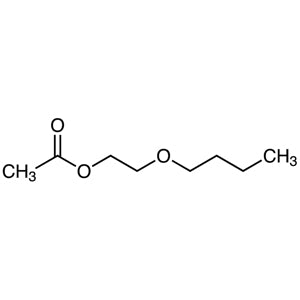
- TCI B0700 112-07-2 Ethylene Glycol Monobutyl Ether Acetate
- TCI P2163 1323-39-3 Propylene Glycol Monostearate
- TCI P0614 1323-39-3 Propylene Glycol Monostearate (contains ca. 35% Monopalmitate)
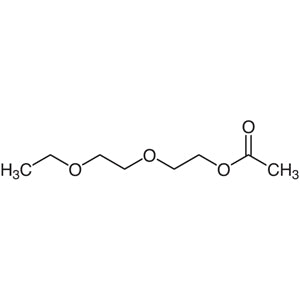
- TCI D0500 112-15-2 Diethylene Glycol Monoethyl Ether Acetate
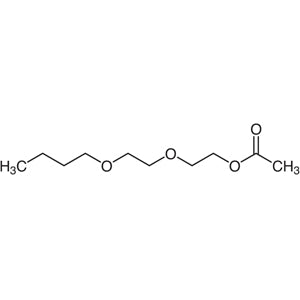
- TCI D0499 124-17-4 Diethylene Glycol Monobutyl Ether Acetate
- TCI E0414 25909-66-4 Ethylene Glycol Bis[4-(ethoxycarbonyl)phenyl] Ether
- Organic synthesis where it serves as a solvent and reagent due to its stability and solubility properties.
- Pharmaceutical research for the development of drug intermediates and compound synthesis.
- Polymer synthesis as a component in the creation of various polymeric materials.
- Analytical chemistry as a solvent for dissolving and analyzing organic compounds.
- Industrial chemical production for the manufacture of specialty chemicals and additives.
| Brand | TCI |
|---|---|
| CAS number | 108-65-6 |
| Molecular formula | — |
| Purity | — |
| Category | Chemistry > Building Blocks > Non-Heterocyclic Building Blocks |
| Pack sizes | Available in various sizes as per supplier specifications |
| Physical form | Liquid |
| Storage | Store in a cool, dry place away from direct sunlight |
Propylene Glycol 1-Methyl Ether 2-Acetate should be stored in a cool, dry location, away from direct sunlight and sources of heat. It is recommended to use airtight containers made of glass or high-density polyethylene to prevent contamination and evaporation. Due to its low volatility, it is less prone to evaporation, but proper sealing is still essential. In laboratory settings, it should be handled with care, ensuring good ventilation to avoid inhalation of vapors. It is not classified as hazardous under standard safety guidelines, but standard chemical handling procedures should be followed to ensure safe use and storage.
—
Produk Terkait
-
EthyleneGlycolMonobutylEtherAcetate TCI B0700
Regular price From Rp 452.550,00Regular price -
PropyleneGlycolMonostearate TCI P2163
Regular price From Rp 477.750,00Regular price -
PropyleneGlycolMonostearate(containsca.35%Monopalmitate) TCI P0614
Regular price Rp 477.750,00Regular price -
DiethyleneGlycolMonoethylEtherAcetate TCI D0500
Regular price From Rp 477.750,00Regular price -
DiethyleneGlycolMonobutylEtherAcetate TCI D0499
Regular price From Rp 477.750,00Regular price -
EthyleneGlycolBis[4-(ethoxycarbonyl)phenyl]Ether TCI E0414
Regular price Rp 5.644.800,00Regular price -
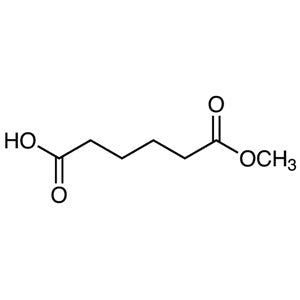
MonomethylAdipate TCI A1738
Regular price From Rp 1.485.750,00Regular price -
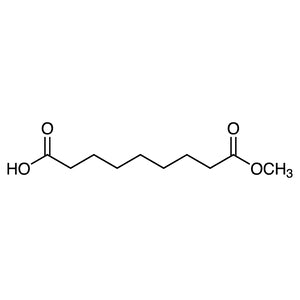
MonomethylAzelate TCI A1312
Regular price From Rp 1.115.100,00Regular price
![Ethylene Glycol Bis[4-(ethoxycarbonyl)phenyl] Ether (CAS 25909-66-4) - TCI E0414 - AMI Scientific](http://amiscientific.com/cdn/shop/files/TCI2510E0414.jpg?v=1767111219&width=533)