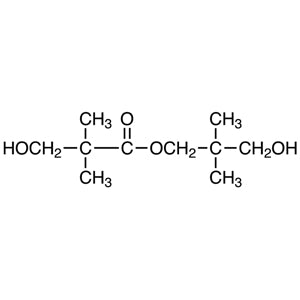
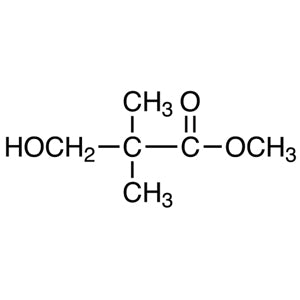
Neopentyl Glycol Mono(hydroxypivalate) is a chemical compound widely used as a building block in the synthesis of complex organic compounds. This compound plays a crucial role in laboratory settings where the creation of new molecules is required. Its unique molecular structure, featuring an ester functional group, makes it highly reactive and versatile in various chemical reactions. Due to its reactivity, it is a valuable tool for chemists aiming to develop new materials, pharmaceuticals, and organic compounds.
The compound's chemical properties, including its reactivity toward hydrolysis, esterification, and substitution reactions, make it a preferred choice for synthetic processes. Its stability under specific conditions allows for controlled chemical transformations, which is essential in laboratory research. Additionally, its solubility in organic solvents facilitates efficient separation and purification of final products. These characteristics make it an essential component in the toolkit of organic chemists working in both academic and industrial settings.
In Indonesian laboratories, Neopentyl Glycol Mono(hydroxypivalate) is commonly used in organic chemistry research, particularly in the development of new compounds and molecular modifications. It is also utilized in the pharmaceutical industry for the production of chemical substances required for local applications. Its presence in research and industrial labs highlights its importance in advancing chemical innovation in Indonesia.
Related TCI products
- TCI N0790 2223-82-7 Neopentyl Glycol Diacrylate (stabilized with MEHQ)
- TCI H0661 4835-90-9 Hydroxypivalic Acid
- TCI H0906 14002-80-3 Methyl Hydroxypivalate
- TCI P2163 1323-39-3 Propylene Glycol Monostearate
- TCI P0614 1323-39-3 Propylene Glycol Monostearate (contains ca. 35% Monopalmitate)
- TCI E0414 25909-66-4 Ethylene Glycol Bis[4-(ethoxycarbonyl)phenyl] Ether
- Organic synthesis for creating complex molecules due to its reactive ester group and structural versatility.
- Pharmaceutical research for the development of new drugs and chemical intermediates.
- Material science applications in the production of polymers and specialty chemicals.
- Chemical modification of existing compounds to enhance properties or functionality.
- Analytical chemistry for use as a standard or reagent in various testing procedures.
| Brand | TCI |
|---|---|
| CAS number | 1115-20-4 |
| Molecular formula | — |
| Purity | — |
| Category | Chemistry > Building Blocks > Non-Heterocyclic Building Blocks |
| Pack sizes | Available in various quantities as per standard laboratory supply |
| Physical form | Liquid |
| Storage | Store in a cool, dry place away from direct sunlight and moisture |
Neopentyl Glycol Mono(hydroxypivalate) should be stored in a cool, dry environment to maintain its chemical stability. It is recommended to keep it in a sealed container to prevent exposure to moisture and air, which can affect its reactivity. The compound should be stored away from incompatible substances such as strong acids or bases to avoid unwanted chemical reactions. In laboratory settings, it is important to handle the compound with appropriate personal protective equipment, including gloves and safety goggles. Proper ventilation should be ensured when working with this material to minimize inhalation risks. Regular monitoring of storage conditions is advised to ensure the compound remains in optimal condition for use.
—
Produk Terkait
-
NeopentylGlycolDiacrylate(stabilizedwithMEHQ) TCI N0790
Regular price From Rp 823.200,00Regular price -
HydroxypivalicAcid TCI H0661
Regular price Rp 823.200,00Regular price -
MethylHydroxypivalate TCI H0906
Regular price From Rp 2.041.200,00Regular price -
PropyleneGlycolMonostearate TCI P2163
Regular price From Rp 477.750,00Regular price -
PropyleneGlycolMonostearate(containsca.35%Monopalmitate) TCI P0614
Regular price Rp 477.750,00Regular price -
EthyleneGlycolBis[4-(ethoxycarbonyl)phenyl]Ether TCI E0414
Regular price Rp 5.644.800,00Regular price -
NeopentylGlycolDiethylhexanoate TCI N1262
Regular price From Rp 1.035.300,00Regular price -
NeopentylGlycolDimethacrylate(stabilizedwithMEHQ) TCI N0780
Regular price From Rp 717.150,00Regular price

![Ethylene Glycol Bis[4-(ethoxycarbonyl)phenyl] Ether (CAS 25909-66-4) - TCI E0414 - AMI Scientific](http://amiscientific.com/cdn/shop/files/TCI2510E0414.jpg?v=1767111219&width=533)