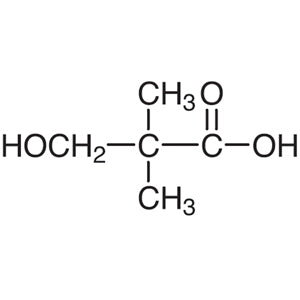
Methyl Hydroxypivalate is a chemical compound widely used as a building block in organic synthesis. It serves as a versatile intermediate in various chemical reactions, particularly in the formation of esters and complex molecular structures. In the laboratory, it plays a crucial role in the development of new chemical compounds and the modification of existing ones. Its ability to undergo specific chemical transformations makes it an essential component in synthetic pathways. This compound is favored for its stability and reactivity, which allow it to be manipulated under controlled conditions to produce desired products.
The compound's non-polar nature and solubility in organic solvents such as ethyl acetate and chloroform make it a preferred choice for many synthetic processes. Its chemical stability ensures that it remains intact during reactions, minimizing unwanted side reactions. Additionally, its molecular structure is simple yet highly functional, enabling it to participate in a wide range of chemical transformations. These properties make it a reliable and efficient reagent in both academic and industrial laboratory settings.
In Indonesian laboratories, Methyl Hydroxypivalate is commonly used in chemical research, particularly in the synthesis of organic compounds and the development of new chemical materials. Its availability in various packaging options allows for flexible use across different experimental scales. Researchers rely on this compound for its consistent performance and compatibility with a variety of reaction conditions, making it a staple in chemical synthesis workflows.
- Organic synthesis is a key application where Methyl Hydroxypivalate is used to construct complex molecules through esterification and other reaction mechanisms.
- It is widely applied in the development of new chemical materials due to its ability to form stable intermediates and contribute to structural diversity.
- In pharmaceutical research, it serves as a building block for the synthesis of drug compounds, supporting the creation of bioactive molecules.
- It is also used in analytical chemistry for the preparation of standards and calibration solutions due to its purity and stability.
- Environmental studies benefit from its use in the synthesis of compounds used for monitoring and analyzing pollutants in various matrices.
| Brand | TCI |
|---|---|
| CAS number | 14002-80-3 |
| Molecular formula | — |
| Purity | — |
| Category | Chemistry > Building Blocks > Non-Heterocyclic Building Blocks |
| Pack sizes | Available in various sizes to suit different experimental needs |
| Physical form | Liquid |
| Storage | Store in a cool, dry place away from direct sunlight |
Methyl Hydroxypivalate should be stored in a cool, dry place away from direct sunlight to maintain its chemical stability. It is recommended to use airtight containers made of glass or polyethylene to prevent contamination and evaporation. Due to its non-polar nature, it is important to ensure proper ventilation in the laboratory when handling this compound. Avoid exposure to heat and moisture to prevent degradation. Always wear appropriate personal protective equipment, including gloves and safety goggles, when working with this chemical. Proper storage and handling practices help ensure the safety of laboratory personnel and the integrity of the compound during experiments.
—
Produk Terkait
-
NeopentylGlycolMono(hydroxypivalate) TCI N0461
Regular price From Rp 875.700,00Regular price -
HydroxypivalicAcid TCI H0661
Regular price Rp 823.200,00Regular price