2,2,4-Trimethyl-1,3-pentanediol (TCI T0483) is a chemical compound widely used as a building block in various laboratory reactions. This versatile molecule serves as a key intermediate in the synthesis of organic compounds, particularly in the development of polymers and complex chemical structures. Its unique molecular structure, featuring two hydroxyl groups and a branched carbon chain, makes it an essential component in many synthetic pathways. Due to its reactivity and compatibility with a wide range of functional groups, it is highly valued in both academic and industrial research settings.
The compound's ability to participate in multiple chemical reactions, such as esterification, hydrolysis, and cross-linking, makes it a preferred choice for chemists. Its stability under certain conditions ensures reliable performance during experiments, reducing the risk of unwanted side reactions. Additionally, its molecular flexibility allows it to be used in a variety of synthetic strategies, making it adaptable to different research needs. These properties contribute to its widespread use in both basic and applied chemical research.
In Indonesian laboratories, 2,2,4-Trimethyl-1,3-pentanediol is commonly used in organic synthesis, polymer chemistry, and the development of complex chemical structures. Researchers and students in these fields rely on its reactivity and stability to carry out experiments efficiently. Its role in creating new materials and compounds makes it an essential tool for advancing chemical knowledge and innovation in the region.
Related TCI products
- TCI I0405 25265-77-4 3-Hydroxy-2,2,4-trimethylpentyl Isobutyrate (contains ca 40% 2,2,4-Trimethyl-1,3-pentanediol 3-Monoisobutyrate)
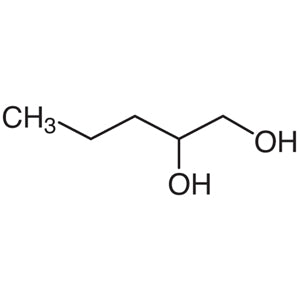
- TCI P1178 5343-92-0 1,2-Pentanediol
- TCI P0670 625-69-4 2,4-Pentanediol
- TCI P0050 111-29-5 1,5-Pentanediol
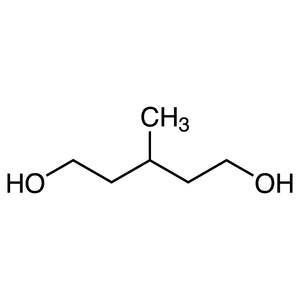
- TCI M0710 4457-71-0 3-Methyl-1,5-pentanediol
- TCI D2619 57987-55-0 2,4-Diethyl-1,5-pentanediol (DL- and meso- mixture)
- Organic synthesis: This compound is ideal for creating complex organic molecules due to its reactivity and ability to form various functional groups.
- Polymer development: Its structure allows for cross-linking and chain extension, making it suitable for synthesizing polymers with specific properties.
- Chemical intermediates: It serves as a key precursor in the production of other chemical compounds, supporting a wide range of synthetic pathways.
- Cross-linking reactions: The presence of two hydroxyl groups enables it to act as a cross-linking agent in polymer networks and other chemical systems.
- Research and development: It is frequently used in both academic and industrial R&D to explore new chemical reactions and material properties.
| Brand | TCI |
|---|---|
| CAS number | 144-19-4 |
| Molecular formula | — |
| Purity | — |
| Category | Chemistry > Building Blocks > Non-Heterocyclic Building Blocks |
| Pack sizes | Available in various quantities as per standard laboratory supply options |
| Physical form | Liquid |
| Storage | Store in a cool, dry place away from direct sunlight and incompatible materials |
This compound should be stored in a cool, dry environment, away from direct sunlight and sources of heat. It is recommended to use airtight containers made of materials compatible with its chemical nature, such as glass or high-density polyethylene. Due to its reactivity, it should be kept away from strong oxidizing agents and incompatible substances. Proper labeling and storage conditions help maintain its stability and ensure safe handling in the laboratory. Always follow standard safety protocols when working with this compound to prevent accidental exposure or contamination.
—
Produk Terkait
-
3-Hydroxy-2,2,4-trimethylpentylIsobutyrate(containsca40%2,2,4-Trimethyl-1,3-pentanediol3-Monoisobutyrate) TCI I0405
Regular price From Rp 505.050,00Regular priceRp 352.800,00Sale price From Rp 505.050,00 -
1,2-Pentanediol TCI P1178
Regular price From Rp 1.192.800,00Regular priceRp 849.450,00Sale price From Rp 1.192.800,00 -
2,4-Pentanediol TCI P0670
Regular price From Rp 3.153.150,00Regular priceRp 2.220.750,00Sale price From Rp 3.153.150,00 -
1,5-Pentanediol TCI P0050
Regular price From Rp 557.550,00Regular priceRp 405.300,00Sale price From Rp 557.550,00 -
3-Methyl-1,5-pentanediol TCI M0710
Regular price From Rp 557.550,00Regular priceRp 405.300,00Sale price From Rp 557.550,00 -
2,4-Diethyl-1,5-pentanediol(DL-andmeso-mixture) TCI D2619
Regular price From Rp 980.700,00Regular priceRp 701.400,00Sale price From Rp 980.700,00 -
1,3-Cyclopentanediol(cis-andtrans-mixture) TCI C2534
Regular price Rp 3.922.800,00Regular priceRp 2.758.350,00Sale price Rp 3.922.800,00 -
2,2,4-Trimethyl-1,3-pentanediolDiisobutyrate TCI T0997
Regular price From Rp 477.750,00Regular priceRp 333.900,00Sale price From Rp 477.750,00