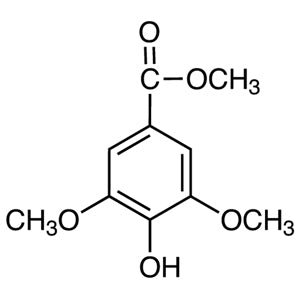
Methyl 4-Hydroxy-3,5-dimethoxybenzoate is a chemical compound widely used in synthetic laboratory applications. It serves as a key building block in organic chemistry, enabling the construction of more complex molecular structures. This compound is particularly valuable for its ability to participate in various chemical reactions, making it essential for researchers working in synthetic chemistry. Its versatility allows it to be incorporated into a wide range of experimental protocols, supporting both academic and industrial research efforts.
The compound's stability and controlled reactivity make it a preferred choice for laboratory use. It exhibits favorable chemical properties that allow it to undergo substitution and electrophilic reactions, which are fundamental in organic synthesis. The presence of hydroxyl and methoxy groups enhances its reactivity, enabling it to interact effectively with a variety of reagents. These characteristics make it an ideal candidate for the synthesis of aromatic and heterocyclic compounds, which are important in pharmaceutical and biochemical research.
In Indonesian laboratories, Methyl 4-Hydroxy-3,5-dimethoxybenzoate is commonly used in organic chemistry research, especially in pharmacology and the synthesis of bioactive compounds. It is also utilized in educational settings to train students in synthetic techniques and compound characterization. Its application in laboratory synthesis is extensive, supporting both research and teaching activities in chemical sciences.
Related TCI products
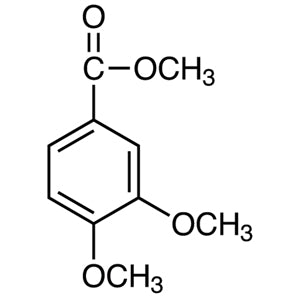
- TCI M2805 2150-38-1 Methyl 3,4-Dimethoxybenzoate
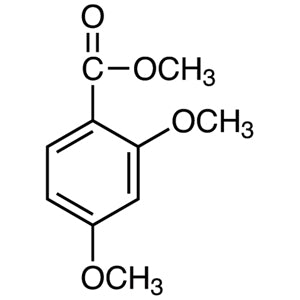
- TCI M2226 2150-41-6 Methyl 2,4-Dimethoxybenzoate
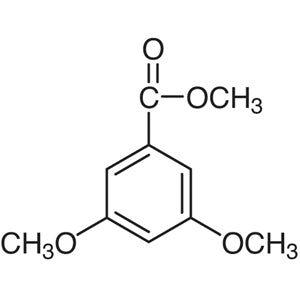
- TCI D1737 2150-37-0 Methyl 3,5-Dimethoxybenzoate
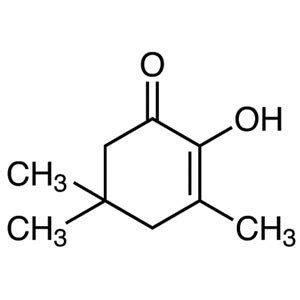
- TCI T2723 4883-60-7 2-Hydroxy-3,5,5-trimethyl-2-cyclohexen-1-one
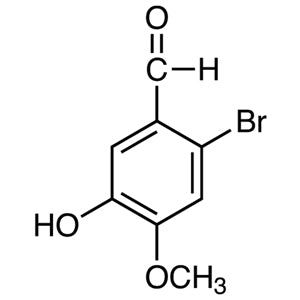
- TCI B4681 2973-59-3 2-Bromo-5-hydroxy-4-methoxybenzaldehyde
- TCI B3229 2208-15-3 4-Bromo-3-hydroxy-2-naphthoic Acid
- Organic synthesis experiments benefit from this compound due to its reactivity and structural versatility, allowing for the creation of complex aromatic and heterocyclic molecules.
- Pharmaceutical research utilizes it as a building block for the development of bioactive compounds, contributing to drug discovery and synthesis processes.
- Educational institutions incorporate it into curriculum-based experiments to teach students about synthetic techniques and molecular structure manipulation.
- Biochemical studies use it to explore the reactivity of functional groups in synthetic pathways, supporting research in medicinal chemistry.
- Analytical chemistry applications involve its use in characterizing molecular structures through spectroscopic and chromatographic methods.
| Brand | TCI |
|---|---|
| CAS number | 884-35-5 |
| Molecular formula | — |
| Purity | — |
| Category | Chemistry > Building Blocks > Non-Heterocyclic Building Blocks |
| Pack sizes | Available in various quantities as per standard laboratory supply |
| Physical form | Solid, crystalline appearance |
| Storage | Store in a cool, dry place away from direct light and moisture |
This compound should be stored in a cool, dry environment, away from direct sunlight and sources of moisture. It is recommended to keep it in a sealed container to prevent exposure to air and humidity. Suitable storage containers include glass or high-density polyethylene vessels that are resistant to chemical degradation. General laboratory precautions include handling with gloves and proper ventilation to minimize inhalation risks. The compound should not be stored near incompatible materials such as strong oxidizers. Regular inspection of storage conditions ensures the integrity and safety of the material in laboratory settings.
—
Produk Terkait
-
Methyl3,4-Dimethoxybenzoate TCI M2805
Regular price From Rp 582.750,00Regular priceRp 423.150,00Sale price From Rp 582.750,00 -
Methyl2,4-Dimethoxybenzoate TCI M2226
Regular price Rp 1.378.650,00Regular priceRp 979.650,00Sale price Rp 1.378.650,00 -
Methyl3,5-Dimethoxybenzoate TCI D1737
Regular price Rp 1.590.750,00Regular priceRp 1.127.700,00Sale price Rp 1.590.750,00 -
2-Hydroxy-3,5,5-trimethyl-2-cyclohexen-1-one TCI T2723
Regular price Rp 1.273.650,00Regular priceRp 890.400,00Sale price Rp 1.273.650,00 -
2-Bromo-5-hydroxy-4-methoxybenzaldehyde TCI B4681
Regular price Rp 4.293.450,00Regular priceRp 3.001.950,00Sale price Rp 4.293.450,00 -
4-Bromo-3-hydroxy-2-naphthoicAcid TCI B3229
Regular price From Rp 2.227.050,00Regular priceRp 1.572.900,00Sale price From Rp 2.227.050,00 -
7-Bromo-3-hydroxy-2-naphthoicAcid TCI B3180
Regular price From Rp 822.150,00Regular priceRp 590.100,00Sale price From Rp 822.150,00 -
2-Hydroxy-6-methylbenzoicAcid TCI M3737
Regular price From Rp 2.384.550,00Regular priceRp 1.683.150,00Sale price From Rp 2.384.550,00