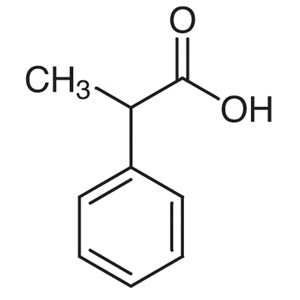
DL-2-Phenylpropionic Acid is a chemical compound widely used as a foundational material in laboratory settings. It serves as a key building block in the synthesis of complex organic compounds, particularly in the development of aromatic compounds and their derivatives. Its versatility makes it an essential component in various chemical reactions, enabling researchers to create new substances with tailored properties. This compound plays a crucial role in both academic and industrial research, supporting advancements in pharmaceuticals, materials science, and chemical engineering.
DL-2-Phenylpropionic Acid is valued for its stable molecular structure and predictable chemical behavior, which allows for precise control during chemical reactions. Its reactivity with a wide range of reagents makes it suitable for substitution and oxidation reactions, enhancing its utility in synthetic processes. The compound’s ability to participate in controlled reactions under laboratory conditions ensures consistency and reliability in experimental outcomes. This makes it a preferred choice for scientists requiring accurate and reproducible results in their work.
In Indonesian laboratories, DL-2-Phenylpropionic Acid is commonly used in organic chemistry research, especially in educational and advanced research programs. It is an integral part of projects focused on drug development, polymer materials, and other chemical innovations. Its availability and reliability make it a go-to material for researchers aiming to explore new chemical pathways and applications.
Related TCI products
- Organic synthesis projects benefit from DL-2-Phenylpropionic Acid due to its role in creating complex aromatic compounds and their derivatives.
- Pharmaceutical research utilizes this compound for the development of new drugs, as it supports the synthesis of bioactive molecules.
- Polymer material development incorporates DL-2-Phenylpropionic Acid to create novel materials with specific chemical properties.
- Educational laboratories use this compound to teach fundamental chemical reactions and synthetic techniques to students.
- Industrial chemical processes rely on DL-2-Phenylpropionic Acid for the production of specialized chemical products requiring precise molecular structures.
| Brand | TCI |
|---|---|
| CAS number | 492-37-5 |
| Molecular formula | — |
| Purity | — |
| Category | Chemistry > Building Blocks > Non-Heterocyclic Building Blocks |
| Pack sizes | Available in various quantities as per standard laboratory supply |
| Physical form | Solid |
| Storage | Store in a cool, dry place away from direct sunlight |
DL-2-Phenylpropionic Acid should be stored in a cool, dry environment to maintain its stability and prevent degradation. It is recommended to keep the compound in airtight containers to minimize exposure to moisture and air, which can affect its chemical integrity. Laboratory personnel should handle the material with care, using appropriate personal protective equipment such as gloves and safety goggles to ensure safety. The compound is non-hazardous under normal conditions but should be stored separately from incompatible substances to avoid any potential chemical interactions. Regular inspection of storage conditions is advised to ensure compliance with safety standards and to maintain the quality of the material for use in experiments.
—
Produk Terkait
-
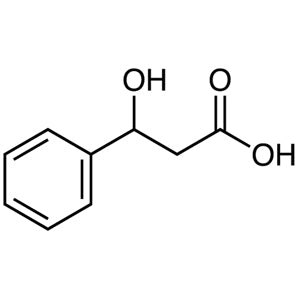
3-Hydroxy-3-phenylpropionicAcid TCI H1394
Regular price From Rp 980.700,00Regular price -
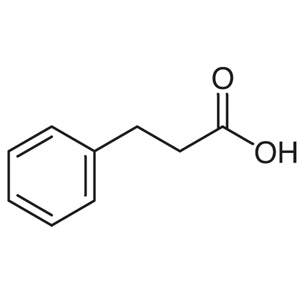
3-PhenylpropionicAcid TCI H0183
Regular price From Rp 664.650,00Regular price -
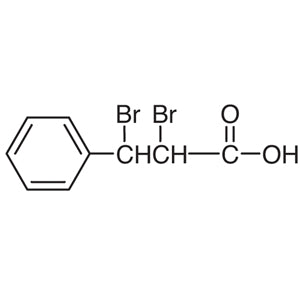
2,3-Dibromo-3-phenylpropionicAcid TCI D2647
Regular price Rp 4.559.100,00Regular price -
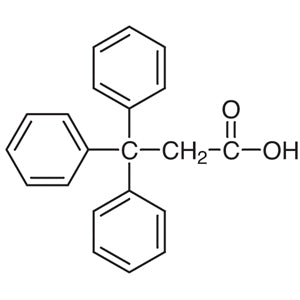
3,3,3-TriphenylpropionicAcid TCI T1558
Regular price From Rp 1.670.550,00Regular price -
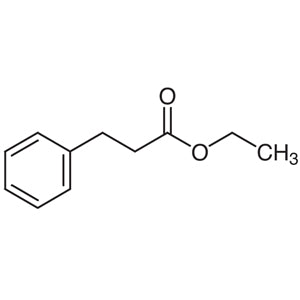
Ethyl3-Phenylpropionate TCI P1304
Regular price From Rp 1.510.950,00Regular price -
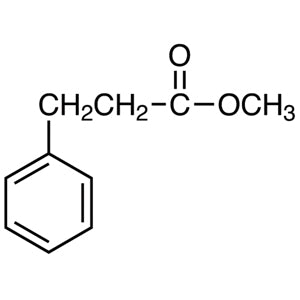
Methyl3-Phenylpropionate TCI M1786
Regular price Rp 2.016.000,00Regular price -
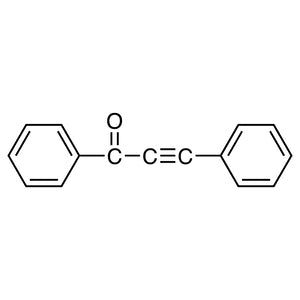
1,3-Diphenylprop-2-yn-1-one TCI D6145
Regular price Rp 6.042.750,00Regular price -
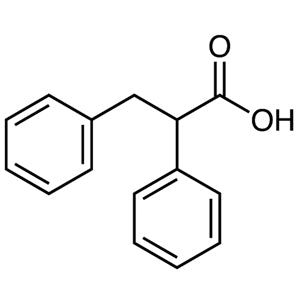
2,3-DiphenylpropionicAcid TCI D1790
Regular price From Rp 3.578.400,00Regular price