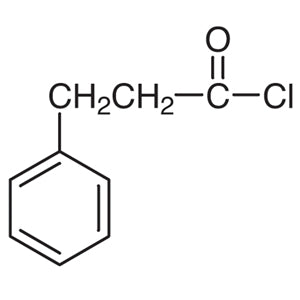
Ethyl 3-Phenylpropionate is a chemical compound widely used in laboratory settings for the synthesis of complex molecules. As a key building block in organic chemistry, it plays a crucial role in the development of aromatic compounds and esters. Its structural versatility allows it to participate in various chemical reactions, making it an essential reagent for researchers. This compound is commonly found in the synthesis of pharmaceuticals, cosmetics, and industrial chemicals, supporting a wide range of applications in both academic and industrial research.
The chemical properties of Ethyl 3-Phenylpropionate make it a preferred choice for laboratory use. It exhibits chemical stability under normal conditions but can readily react in specific environments, facilitating efficient synthesis processes. Its characteristic aroma also makes it suitable for applications in the fragrance and cosmetic industries. Additionally, its ability to form stable bonds with functional groups enhances its utility in the design of new chemical structures. These properties contribute to its widespread use in both research and production environments.
In Indonesian laboratories, Ethyl 3-Phenylpropionate is frequently used as a raw material for organic chemistry research. It is commonly employed in the development of new compounds, the optimization of synthesis processes, and the production of chemicals with practical applications. Its availability in the local market ensures that researchers have access to this essential compound for their experiments and projects.
- Organic synthesis applications benefit from Ethyl 3-Phenylpropionate due to its ability to participate in esterification and other functional group transformations, enabling the creation of complex aromatic structures.
- Pharmaceutical research utilizes this compound as a building block for the synthesis of active pharmaceutical ingredients, leveraging its structural compatibility with drug molecules.
- Cosmetic formulation processes incorporate Ethyl 3-Phenylpropionate for its aromatic properties, contributing to the development of fragrances and skin care products.
- Industrial chemical production relies on this compound for the synthesis of esters with diverse applications in coatings, plastics, and solvents.
- Analytical chemistry uses Ethyl 3-Phenylpropionate as a reference standard for chromatographic and spectroscopic analysis due to its well-defined chemical properties.
| Brand | TCI |
|---|---|
| CAS number | 2021-28-5 |
| Molecular formula | — |
| Purity | — |
| Category | Chemistry > Building Blocks > Non-Heterocyclic Building Blocks |
| Pack sizes | Available in various quantities as per supplier specifications |
| Physical form | Liquid |
| Storage | Store in a cool, dry place away from direct sunlight and incompatible materials |
Ethyl 3-Phenylpropionate should be stored in a cool, dry environment to maintain its chemical stability. It is recommended to keep the compound in a sealed container to prevent exposure to air and moisture. Suitable storage containers include glass or high-density polyethylene vessels that are resistant to chemical reactions. Laboratory personnel should handle the compound with appropriate personal protective equipment, such as gloves and safety goggles, to ensure safety during use and handling. Proper ventilation is essential when working with this material to minimize inhalation risks. Regular monitoring of storage conditions ensures that the compound remains in optimal condition for use in research applications.
—
Produk Terkait
-
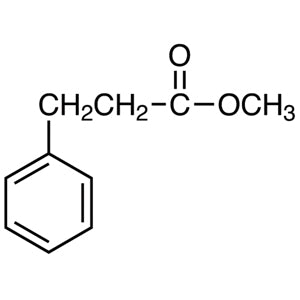
Methyl3-Phenylpropionate TCI M1786
Regular price Rp 2.016.000,00Regular price -
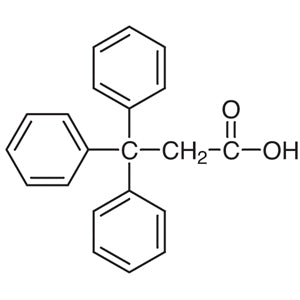
3,3,3-TriphenylpropionicAcid TCI T1558
Regular price From Rp 1.670.550,00Regular price -
3-Phenylpropionamide TCI P1845
Regular price From Rp 2.889.600,00Regular price -
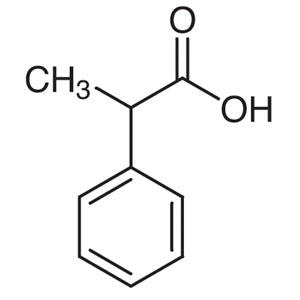
DL-2-PhenylpropionicAcid TCI P0699
Regular price From Rp 1.115.100,00Regular price -
2-Phenylpropionaldehyde TCI P0646
Regular price Rp 717.150,00Regular price -
3-Phenylpropionaldehyde TCI P0217
Regular price From Rp 875.700,00Regular price -
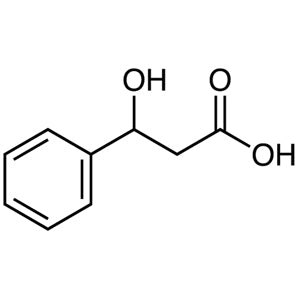
3-Hydroxy-3-phenylpropionicAcid TCI H1394
Regular price From Rp 980.700,00Regular price -
3-PhenylpropionylChloride TCI H0696
Regular price Rp 2.094.750,00Regular price