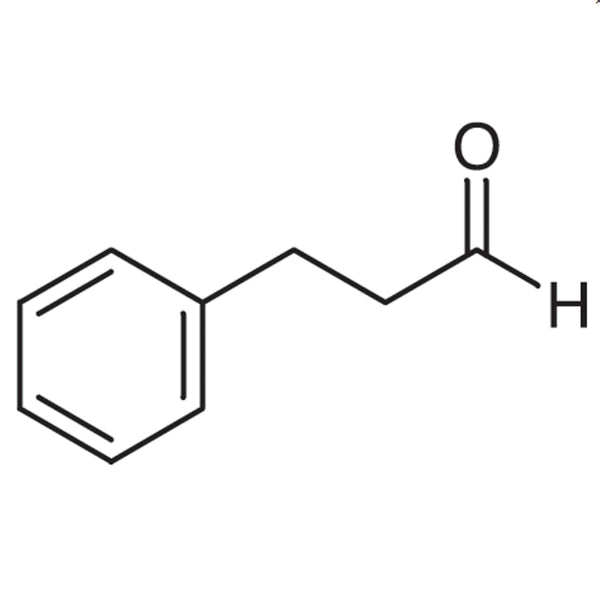
3-Phenylpropionaldehyde is an organic compound widely used in chemical reactions for the synthesis of complex molecules. It serves as a fundamental building block in organic chemistry, playing a crucial role in the creation of aromatic and heterocyclic compounds. Its simple yet versatile molecular structure makes it a key component in various synthetic pathways, particularly in substitution and oxidation reactions. This compound is valued for its ability to interact with a wide range of reagents, including alcohols, acids, and bases, enabling the development of new chemical entities across multiple industries.
The chemical properties of 3-Phenylpropionaldehyde make it a preferred choice in laboratory settings. It exhibits stability under specific conditions, allowing for controlled reactions and predictable outcomes. Its reactivity with functional groups enables chemists to design and execute complex synthetic strategies. Additionally, the compound’s compatibility with various reagents and solvents enhances its utility in both research and educational environments. These characteristics make it a reliable and versatile tool for chemists working in diverse fields.
In Indonesian laboratories, 3-Phenylpropionaldehyde is commonly used in organic chemistry research, particularly in universities and research institutions focused on the synthesis of active compounds. It is also integrated into chemistry education programs to enhance students' understanding of molecular structures and reaction mechanisms. Its role in the development of new pharmaceuticals and materials further underscores its importance in both academic and industrial applications.
- Synthesis of aromatic compounds for the development of new pharmaceuticals due to its reactivity and compatibility with functional groups.
- Organic reaction studies involving substitution and oxidation processes because of its versatile molecular structure and stability.
- Educational experiments in chemistry courses to demonstrate molecular interactions and reaction mechanisms in a controlled environment.
- Material science research for creating advanced polymers and functional materials through controlled chemical modifications.
- Industrial chemical processes requiring reliable building blocks for the production of complex organic compounds in manufacturing settings.
| Brand | TCI |
|---|---|
| CAS number | 104-53-0 |
| Molecular formula | — |
| Purity | — |
| Category | Chemistry > Building Blocks > Non-Heterocyclic Building Blocks |
| Pack sizes | Available in various quantities as per standard laboratory supply options |
| Physical form | Liquid |
| Storage | Store in a cool, dry place away from direct sunlight and incompatible materials |
3-Phenylpropionaldehyde should be stored in a cool, dry place, away from direct sunlight and sources of heat. It is recommended to keep the compound in a sealed container to prevent evaporation and contamination. Suitable storage containers include glass or high-density polyethylene bottles that are resistant to chemical reactions. General laboratory precautions include ensuring proper ventilation and avoiding contact with skin or eyes. It is important to handle the compound with appropriate personal protective equipment, such as gloves and safety goggles, to minimize exposure risks. Always follow standard safety protocols when working with reactive chemicals to ensure a safe laboratory environment.
—
Produk Terkait
-
2-Phenylpropionaldehyde TCI P0646
Regular price Rp 717.150,00Regular price -
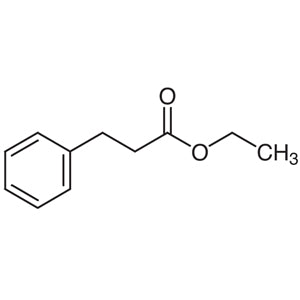
Ethyl3-Phenylpropionate TCI P1304
Regular price From Rp 1.510.950,00Regular price -
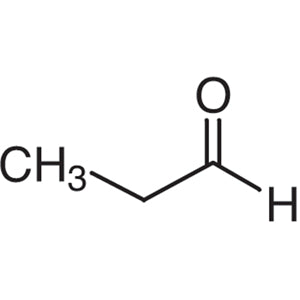
Propionaldehyde TCI P0498
Regular price From Rp 477.750,00Regular price -
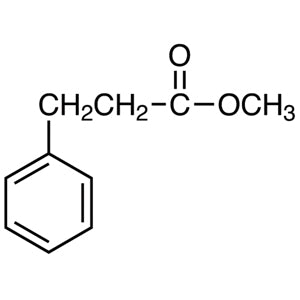
Methyl3-Phenylpropionate TCI M1786
Regular price Rp 2.016.000,00Regular price -
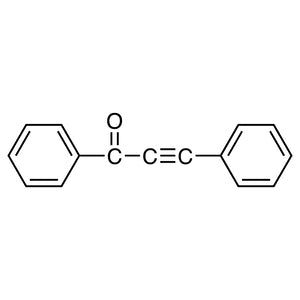
1,3-Diphenylprop-2-yn-1-one TCI D6145
Regular price Rp 6.042.750,00Regular price -
3-(4-Bromophenyl)-1-phenylprop-2-en-1-one TCI B6397
Regular price Rp 4.929.750,00Regular price -
3,3,3-TriphenylpropionicAcid TCI T1558
Regular price From Rp 1.670.550,00Regular price -
DL-2-PhenylpropionicAcid TCI P0699
Regular price From Rp 1.115.100,00Regular price