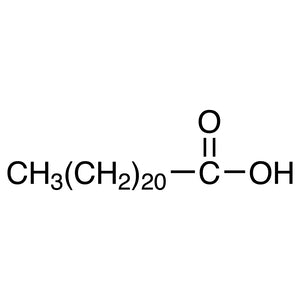
Propionaldehyde, also known as 2-propanal, is an organic compound widely used in various chemical reactions within laboratory settings. As a fundamental building block in organic chemistry, it plays a crucial role in the synthesis of complex compounds such as esters, aldehydes, and aromatic derivatives. Its reactivity makes it a valuable tool for researchers engaged in organic synthesis and molecular design. This compound is frequently utilized in reduction and oxidation reactions, contributing to the development of intermediate compounds that serve as precursors for industrial and pharmaceutical applications.
Propionaldehyde is characterized by its simple molecular structure, featuring a single aldehyde group at the end of a carbon chain. This structural feature enhances its reactivity towards nucleophilic, oxidative, and reductive reactions. Its relatively low boiling point means it is prone to evaporation, necessitating careful handling. These physical and chemical properties make it an ideal choice for experiments requiring high reactivity and versatility. Its ability to participate in a wide range of chemical transformations further solidifies its importance in both academic and industrial research environments.
In Indonesian laboratories, propionaldehyde is commonly used in organic chemistry research, including the synthesis of pharmacological compounds and industrial chemicals. Its availability and reactivity make it a preferred material for chemists working on diverse projects. The compound's role in creating intermediates for further chemical processes underscores its significance in both educational and applied research settings. Its use is integral to advancing chemical knowledge and developing new materials and drugs.
- Organic synthesis applications benefit from propionaldehyde's reactivity, enabling the creation of complex molecules through nucleophilic and oxidative reactions.
- Pharmaceutical research utilizes this compound in the development of drug compounds, leveraging its ability to form esters and other functional groups.
- Industrial chemical production relies on propionaldehyde as a precursor for intermediate compounds used in manufacturing various products.
- Analytical chemistry experiments often employ propionaldehyde as a standard for testing reaction mechanisms and reactivity under different conditions.
- Teaching laboratories use propionaldehyde to demonstrate fundamental organic reactions, providing students with hands-on experience in synthetic chemistry.
| Brand | TCI |
|---|---|
| CAS number | 123-38-6 |
| Molecular formula | — |
| Purity | — |
| Category | Chemistry > Building Blocks > Non-Heterocyclic Building Blocks |
| Pack sizes | Available in various quantities as per supplier specifications |
| Physical form | Liquid |
| Storage | Store in a cool, well-ventilated area away from heat and light |
Propionaldehyde should be stored in a cool, well-ventilated area, away from heat and direct sunlight. It is recommended to use sealed containers made of materials compatible with organic solvents to prevent evaporation and contamination. Due to its reactivity, it should be handled in a fume hood to minimize exposure. Proper personal protective equipment, such as gloves and safety goggles, should always be worn when working with this compound. Avoid contact with skin and eyes, and ensure adequate ventilation to prevent inhalation of vapors. Regular monitoring of storage conditions is essential to maintain the compound's integrity and ensure safe laboratory practices.
—
Produk Terkait
-
2-Phenylpropionaldehyde TCI P0646
Regular price Rp 717.150,00Regular price -
3-Phenylpropionaldehyde TCI P0217
Regular price From Rp 875.700,00Regular price -
BehenicAcid TCI B1747
Regular price Rp 3.976.350,00Regular price -
BehenicAcid TCI B1248
Regular price From Rp 795.900,00Regular price -
LithiumAcetoacetate TCI A1478
Regular price From Rp 3.180.450,00Regular price -
ArachidonicAcid TCI A0781
Regular price From Rp 2.332.050,00Regular price -
Tributyrin TCI T0364
Regular price From Rp 505.050,00Regular price -
StearicAcid TCI S0163
Regular price From Rp 477.750,00Regular price