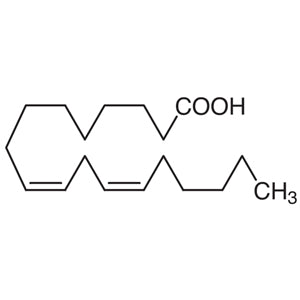
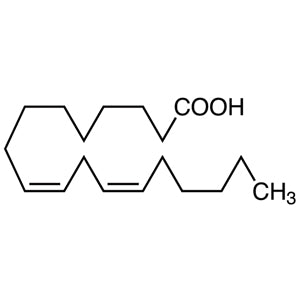
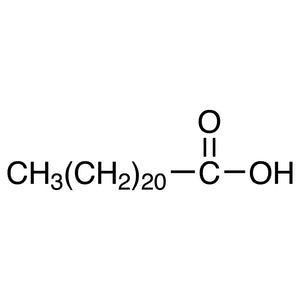
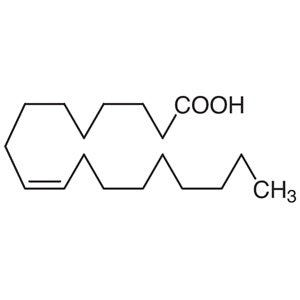
Arachidonic Acid (TCI A0781, CAS 506-32-1) is an essential organic compound classified under non-heterocyclic building blocks in chemistry. It plays a critical role in laboratory settings where complex molecular structures are synthesized or studied. This compound is widely used in biochemical research, particularly in lipid metabolism and inflammatory response studies. Its importance extends to pharmaceutical and cosmetic development due to its bioactive properties.
Arachidonic Acid is valued for its stable chemical and physical properties, which make it suitable for various laboratory processes such as esterification, hydrolysis, and the synthesis of derivatives. Its molecular structure, featuring a long carbon chain and a carboxyl group, contributes to its reactivity and versatility in experimental applications. The availability of this compound in pure form and appropriate concentrations ensures ease of use in diverse research contexts.
In Indonesian laboratories, Arachidonic Acid is commonly utilized in biochemistry, pharmacology, and environmental science research. It is frequently involved in projects related to disease mechanisms, immune responses, and the development of new therapeutic agents. Its presence in these studies underscores its significance as a fundamental building block in modern scientific research.
TCI brochures (PDF)
- Lipid Mediator Research Reagents 2026-04-10 · p. 1
- Reagents for Preparing Animal Disease Models 2024-09-13 · p. 1
- Colloidal Quantum Dot (QD) Research Reagents 2026-05-21 · p. 4
- Lipids 2025-12-17 · p. 5
- Reagents for Biological Research 2025-03-11 · p. 49
- Biochemical Research: Arachidonic Acid is essential for studying lipid metabolism and inflammatory pathways, providing a key component for understanding cellular signaling.
- Pharmaceutical Development: Its bioactive nature makes it a valuable tool in the formulation of drugs targeting inflammatory and neurological conditions.
- Cosmetic Formulation: The compound's biological activity supports its use in developing skincare products with anti-inflammatory and regenerative properties.
- Environmental Toxicology: It is used to investigate the effects of environmental pollutants on lipid metabolism and cellular function.
- Immunological Studies: Arachidonic Acid plays a role in analyzing immune responses and the mechanisms of inflammation in biological systems.
| Brand | TCI |
|---|---|
| CAS number | 506-32-1 |
| Molecular formula | — |
| Purity | — |
| Category | Chemistry > Building Blocks > Non-Heterocyclic Building Blocks |
| Pack sizes | — |
| Physical form | — |
| Storage | Store in a cool, dry place away from light and moisture |
Arachidonic Acid should be stored in a cool, dry place, away from light and moisture to maintain its chemical stability. It is recommended to use airtight containers to prevent exposure to air and humidity. Due to its potential reactivity, it should be handled in a well-ventilated laboratory environment. Proper personal protective equipment, such as gloves and safety goggles, should be worn during handling. The compound should be kept separate from incompatible substances to avoid any chemical interactions. Regular monitoring of storage conditions ensures the integrity and usability of the material for research purposes.
—
Product Categories
- Cell Culture
- Biochemicals and ReagentsAnimal Disease Models PreparationReagents for Central Nervous System Disease Models
- Biochemicals and ReagentsAnimal Disease Models PreparationReagents for Life-style related Disease Models
- Biochemicals and ReagentsAnimal Disease Models PreparationReagents for Inflammation and Immunity Disorder Models
- Biochemicals and ReagentsLipidsFatty Acyls
- Cell BiologyCell Signaling and NeuroscienceLipids in Cell Signaling
- Cell BiologyMetabolomicsMetabolic Libraries
- Cell BiologyMetabolomicsMetabolic Pathways
- Cell BiologyNutrition ResearchFunctional Food Research
Produk Terkait
-
LinoleicAcid TCI L0124
Regular price From Rp 1.881.600,00Regular priceRp 1.331.400,00Sale price From Rp 1.881.600,00 -
LinoleicAcid TCI L0053
Regular price From Rp 1.538.250,00Regular priceRp 1.090.950,00Sale price From Rp 1.538.250,00 -
gamma-LinolenicAcid TCI L0152
Regular price From Rp 1.988.700,00Regular priceRp 1.405.950,00Sale price From Rp 1.988.700,00 -
BehenicAcid TCI B1747
Regular price Rp 4.028.850,00Regular priceRp 2.832.900,00Sale price Rp 4.028.850,00 -
BehenicAcid TCI B1248
Regular price From Rp 848.400,00Regular priceRp 609.000,00Sale price From Rp 848.400,00 -
StearicAcid TCI S0163
Regular price From Rp 477.750,00Regular priceRp 333.900,00Sale price From Rp 477.750,00 -
OleicAcid TCI O0180
Regular price From Rp 1.618.050,00Regular priceRp 1.130.850,00Sale price From Rp 1.618.050,00 -
OleicAcid TCI O0011
Regular price From Rp 477.750,00Regular priceRp 333.900,00Sale price From Rp 477.750,00