2-Phenylpropionaldehyde from TCI, also known as hydratropaldehyde, is an aromatic aldehyde. A phenyl group and a methyl group are both attached to the alpha carbon next to the formyl group. In synthetic chemistry laboratories it serves as a non-heterocyclic building block for more complex arylpropane frameworks. Its aldehyde group is reactive and can easily be converted into alcohols, carboxylic acids, amines or alkenes. This makes it a practical starting point for researchers in organic synthesis, fragrance chemistry and catalytic method development.
The compound's main appeal is the stereogenic centre at its alpha carbon. Because of this structure, it is a popular model substrate for testing asymmetric reactions, dynamic kinetic resolutions and enamine-based organocatalysis. Its alpha proton is fairly acidic, so the compound enolises readily. This lets researchers study racemisation and catalyst selectivity with clear, easy-to-read results. The aromatic ring also makes reactions easy to follow by TLC under UV light or by liquid chromatography. This mix of useful reactivity and easy analysis explains why chemists choose it so often as both a building block and a benchmark substrate.
In Indonesian laboratories, 2-Phenylpropionaldehyde is used most often in university organic chemistry research groups, pharmaceutical and fine-chemical R&D units, and fragrance and flavour development laboratories. Graduate students and researchers use it to build small molecule libraries, try out new catalytic systems and compare method performance against published model reactions. Teaching and research laboratories also value it for showing how carbonyl groups react and how stereochemistry works at a real, practical level.
- Asymmetric catalysis studies: the stereogenic alpha carbon makes it a well-known model substrate for checking how well new chiral catalysts and ligands control enantioselectivity.
- Dynamic kinetic resolution research: its readily enolisable alpha proton allows fast racemisation, which researchers need when developing and studying dynamic kinetic resolution protocols.
- Enamine-based organocatalysis: the aldehyde readily forms enamines with secondary amine catalysts, making it a convenient substrate for exploring organocatalytic alpha-functionalisation reactions.
- Functional group transformations: the reactive formyl group can be reduced, oxidised, reductively aminated or olefinated, giving access to a range of arylpropane-based alcohols, acids, amines and alkenes.
- Fragrance and aroma chemistry: as an aromatic aldehyde building block, it supports the synthesis and study of aroma-related compounds and their derivatives in flavour and fragrance research laboratories.
| Brand | TCI (product code P0646) |
|---|---|
| CAS number | 93-53-8 |
| Molecular formula | — |
| Purity | — |
| Category | Chemistry > Building Blocks > Non-Heterocyclic Building Blocks |
| Pack sizes | as listed in the available options on this product page |
| Physical form | — |
| Storage | follow the conditions stated on the TCI label and Safety Data Sheet |
- Synonym: Hydratropaldehyde
Keep 2-Phenylpropionaldehyde in its original, tightly sealed container in a cool, dry and well-ventilated place, away from heat, direct sunlight and ignition sources. Aldehydes can slowly oxidise when exposed to air, so close the container promptly after each use. Where practical, store it under an inert atmosphere. Keep it apart from strong oxidising agents, strong bases and reducing agents. Handle it in a fume hood while wearing chemical-resistant gloves, safety glasses and a lab coat. Avoid inhaling vapours and avoid contact with skin and eyes. Always read the TCI Safety Data Sheet before use, and dispose of waste according to local regulations and your institution's procedures.
—
Produk Terkait
-
3-Phenylpropionaldehyde TCI P0217
Regular price From Rp 875.700,00Regular price -
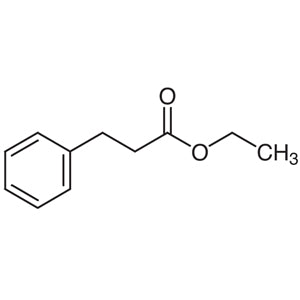
Ethyl3-Phenylpropionate TCI P1304
Regular price From Rp 1.510.950,00Regular price -
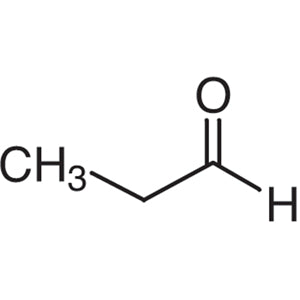
Propionaldehyde TCI P0498
Regular price From Rp 477.750,00Regular price -
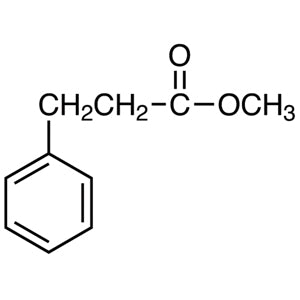
Methyl3-Phenylpropionate TCI M1786
Regular price Rp 2.016.000,00Regular price -
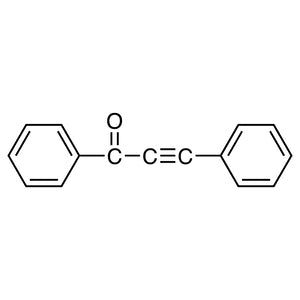
1,3-Diphenylprop-2-yn-1-one TCI D6145
Regular price Rp 6.042.750,00Regular price -
3-(4-Bromophenyl)-1-phenylprop-2-en-1-one TCI B6397
Regular price Rp 4.929.750,00Regular price -
3,3,3-TriphenylpropionicAcid TCI T1558
Regular price From Rp 1.670.550,00Regular price -
DL-2-PhenylpropionicAcid TCI P0699
Regular price From Rp 1.115.100,00Regular price