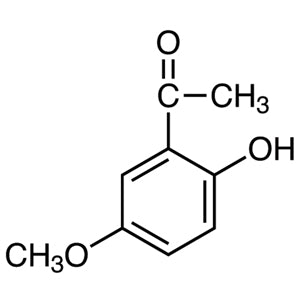
TCI H0868 2'-Hydroxy-5'-methoxyacetophenone is an aromatic ketone that carries a hydroxyl group positioned ortho to the carbonyl, together with a methoxy group on the benzene ring. This arrangement makes it a well-recognised intermediate in the synthesis of oxygenated heterocyclic compounds. In the laboratory, the compound is most often employed as a precursor for the construction of chromones, flavones, coumarins, and benzofuran derivatives — a class of compounds that receives considerable research attention because of their structural resemblance to plant secondary metabolites and their broad potential biological activity.
The principal characteristic that makes this material a preferred choice is the intramolecular hydrogen bond formed between the ortho hydroxyl and the carbonyl group. This interaction stabilises the molecule while simultaneously directing its reactivity towards classical transformations such as the Baker–Venkataraman rearrangement and the Claisen condensation. The methyl group attached to the carbonyl is weakly acidic and is therefore readily deprotonated to generate the corresponding enolate, whereas the methoxy group exerts an electron-donating effect that governs the substitution pattern on the aromatic ring. Together these features make synthetic routes predictable and reproducible, an important advantage in research that demands repeatable results.
In Indonesian laboratories, this building block is typically used in organic synthesis and natural product chemistry groups working on oxygenated heterocycles. It supports university research, postgraduate thesis work, and institutional laboratories exploring compounds related to plant secondary metabolites. Because the reaction pathways it participates in are well established, it also serves well in method development and in teaching advanced synthesis practicals where consistent, repeatable outcomes are expected across multiple experimental runs.
Related TCI products
- TCI H0789 552-41-0 2'-Hydroxy-4'-methoxyacetophenone
- TCI H0261 498-02-2 4'-Hydroxy-3'-methoxyacetophenone
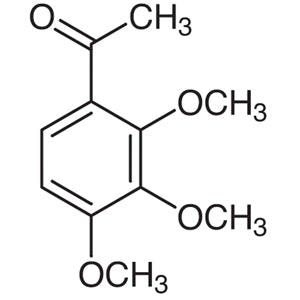
- TCI T1517 13909-73-4 2',3',4'-Trimethoxyacetophenone
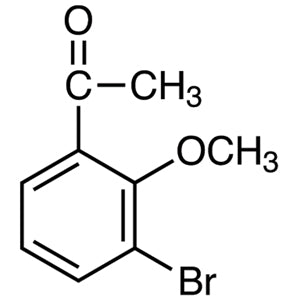
- TCI B5498 267651-23-0 3'-Bromo-2'-methoxyacetophenone
- TCI A3027 912347-94-5 2'-Amino-3'-methyl-4'-methoxyacetophenone
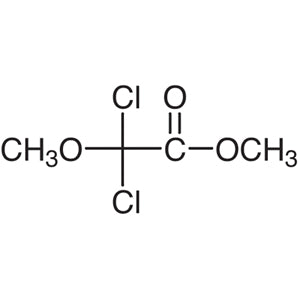
- TCI A1046 17640-25-4 Methyl Dichloromethoxyacetate
- Chromone and flavone synthesis — the ortho-hydroxy acetophenone framework is the classical starting point for building the benzopyranone core through established condensation routes.
- Baker–Venkataraman rearrangement studies — the intramolecular hydrogen bond and acidic methyl group make this substrate behave predictably in this well-documented rearrangement chemistry.
- Coumarin derivative preparation — the hydroxyl and methoxy substitution pattern provides the electronic arrangement needed for reliable cyclisation into coumarin scaffolds.
- Benzofuran building block work — researchers use it as a precursor where the oxygenated aromatic ring is required for constructing fused furan-containing structures.
- Natural product model compound research — its structural resemblance to plant secondary metabolites makes it suitable for studies exploring potential biological activity in related compound classes.
| Brand | TCI (Tokyo Chemical Industry) |
|---|---|
| CAS number | 705-15-7 |
| Molecular formula | — |
| Purity | — |
| Category | Chemistry > Building Blocks > Non-Heterocyclic Building Blocks |
| Pack sizes | available in standard TCI research-scale packaging; please confirm the currently listed size options when ordering |
| Physical form | — |
| Storage | store according to the conditions stated on the manufacturer's label and safety data sheet |
- Product Code: H0868
Store the container tightly closed in a cool, dry, well-ventilated area, away from direct sunlight, heat sources, and incompatible materials. Keep the material in its original manufacturer-supplied container, or transfer it only to a clean, chemically compatible, clearly labelled vessel. Handle the compound inside a fume hood and wear appropriate personal protective equipment, including safety goggles, gloves, and a laboratory coat. Avoid the generation and inhalation of dust, and avoid contact with skin and eyes. Always consult the manufacturer's safety data sheet before use, and dispose of residues and contaminated materials in accordance with applicable laboratory waste procedures.
—
Produk Terkait
-
2'-Hydroxy-4'-methoxyacetophenone TCI H0789
Regular price From Rp 823.200,00Regular price -
4'-Hydroxy-3'-methoxyacetophenone TCI H0261
Regular price From Rp 1.140.300,00Regular price -
2',3',4'-Trimethoxyacetophenone TCI T1517
Regular price Rp 2.199.750,00Regular price -
3'-Bromo-2'-methoxyacetophenone TCI B5498
Regular price From Rp 1.087.800,00Regular price -
2'-Amino-3'-methyl-4'-methoxyacetophenone TCI A3027
Regular price From Rp 2.677.500,00Regular price -
MethylDichloromethoxyacetate TCI A1046
Regular price From Rp 1.220.100,00Regular price -
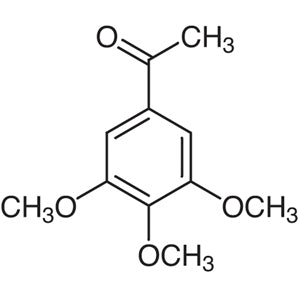
3',4',5'-Trimethoxyacetophenone TCI T0898
Regular price From Rp 1.035.300,00Regular price -
2-MethoxyaceticAnhydride TCI M3180
Regular price Rp 1.485.750,00Regular price