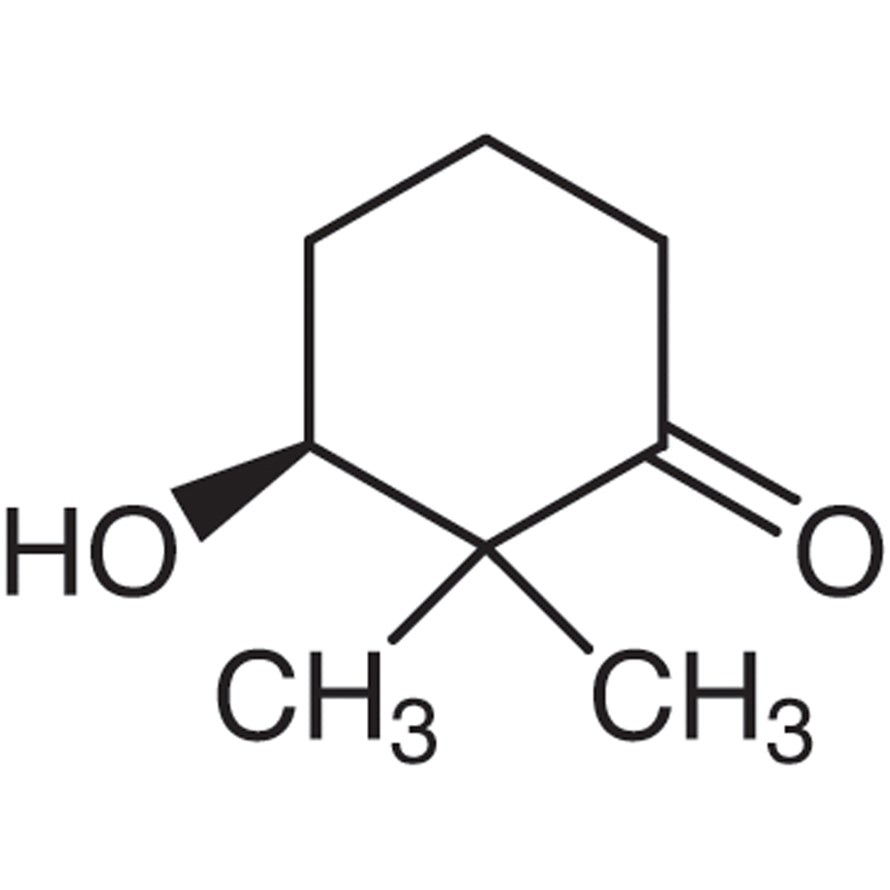
(S)-(+)-3-Hydroxy-2,2-dimethylcyclohexanone, CAS number 87655-21-8, is a chiral building block built on a cyclohexanone ring that carries a hydroxyl group together with a pair of quaternary methyl groups positioned adjacent to the carbonyl. TCI supplies the compound in 100 mg packs, a size typical of high-value chiral reagents. In asymmetric synthesis laboratories, a molecule of this kind serves as a source of built-in chirality, so that researchers do not need to construct a stereogenic centre from scratch but instead inherit the configuration already fixed in the starting material.
The characteristic that makes this compound valuable is the combination of a defined stereogenic centre with a gem-dimethyl substitution pattern. The gem-dimethyl group at the alpha position blocks enolisation on that side of the carbonyl while also imposing strong steric hindrance, so that nucleophilic attack on the carbonyl tends to proceed from a single face and delivers good diastereoselectivity. The secondary hydroxyl group can be protected, oxidised, or used as a directing group to control reactions in its vicinity. The gem-dimethyl motif adjacent to a carbonyl is itself a feature frequently encountered in terpenoid frameworks.
In Indonesian laboratories, materials of this type are normally used in university research groups, chemistry departments, and institutional research centres working on asymmetric methodology and stereocontrolled synthesis. The small 100 mg pack size suits exploratory and method-development work, where a chiral starting material is consumed on a milligram scale across screening reactions rather than in bulk preparations. It is handled alongside other reagents on the ordinary synthetic bench, under the standard practice applied to sensitive organic intermediates.
TCI brochures (PDF)
- Chiral Building Blocks 2025-04-14 · p. 9
Related TCI products
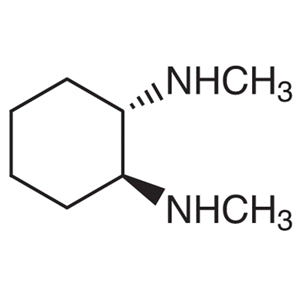
- TCI D2460 87583-89-9 (1S,2S)-(+)-N,N'-Dimethylcyclohexane-1,2-diamine
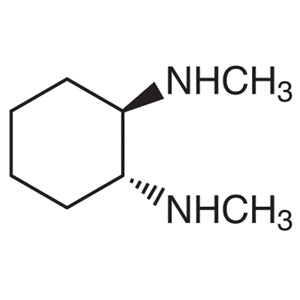
- TCI D2459 68737-65-5 (1R,2R)-(-)-N,N'-Dimethylcyclohexane-1,2-diamine
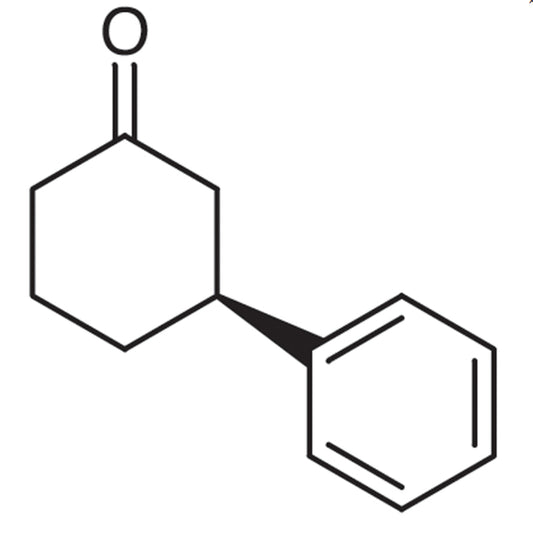
- TCI P1500 57344-86-2 (S)-3-Phenylcyclohexanone
- TCI P1499 34993-51-6 (R)-3-Phenylcyclohexanone
- TCI T1901 24435-45-8 (S)-3,3,3-Trifluoro-2-hydroxy-2-methylpropionic Acid
- TCI T1900 44864-47-3 (R)-3,3,3-Trifluoro-2-hydroxy-2-methylpropionic Acid
- Asymmetric synthesis route development: the compound supplies a pre-established stereogenic centre, allowing researchers to begin a synthetic sequence from defined chirality instead of building the stereocentre through a separate enantioselective step.
- Diastereoselective carbonyl additions: the gem-dimethyl group adjacent to the carbonyl creates strong steric shielding on one face, so nucleophilic addition tends to occur from a single direction and gives good diastereomeric ratios.
- Terpenoid-type scaffold construction: the gem-dimethyl motif next to a carbonyl is a recurring structural feature of terpenoid frameworks, making this ring system a convenient entry point for related skeletons.
- Hydroxyl-directed transformations: the secondary hydroxyl group can be protected, oxidised, or used to direct reagents to a specific region of the ring, giving several independent handles for further elaboration.
- Stereocontrol methodology studies: the blocked alpha position restricts enolisation on that side of the carbonyl, which makes the molecule a useful probe substrate when researchers are evaluating new stereocontrol strategies.
| Brand | TCI |
|---|---|
| CAS number | 87655-21-8 |
| Molecular formula | — |
| Purity | — |
| Category | Chemistry > Asymmetric Synthesis > Chiral Building Blocks |
| Pack sizes | 100 mg |
| Physical form | — |
| Storage | keep in the original manufacturer packaging under the storage conditions stated on the container label |
- Product identifier: TCI H0887
Store the material in its original, tightly closed manufacturer container, kept in a dedicated chemical cabinet away from direct sunlight, heat sources, and moisture. Because the pack size is small and the material is a high-value chiral reagent, it should be weighed carefully in a clean, dry environment and the container resealed immediately after use to avoid contamination and loss. Handle the compound inside a fume hood while wearing gloves, safety goggles, and a laboratory coat, and use clean dry spatulas and glassware to prevent cross-contamination that could compromise stereochemical integrity. Always consult the manufacturer's safety data sheet and container label for the specific handling and storage conditions before opening the pack, and dispose of residues and contaminated materials through the laboratory's chemical waste procedures.
—
Produk Terkait
-
(1S,2S)-(+)-N,N'-Dimethylcyclohexane-1,2-diamine TCI D2460
Regular price From Rp 584.850,00Regular price -
(1R,2R)-(-)-N,N'-Dimethylcyclohexane-1,2-diamine TCI D2459
Regular price From Rp 637.350,00Regular price -
(S)-3-Phenylcyclohexanone TCI P1500
Regular price From Rp 2.969.400,00Regular price -
(R)-3-Phenylcyclohexanone TCI P1499
Regular price From Rp 2.969.400,00Regular price -
(S)-3,3,3-Trifluoro-2-hydroxy-2-methylpropionicAcid TCI T1901
Regular price Rp 5.009.550,00Regular price -
(R)-3,3,3-Trifluoro-2-hydroxy-2-methylpropionicAcid TCI T1900
Regular price Rp 2.411.850,00Regular price -
(R)-3-Bromo-2-hydroxy-2-methylpropionicAcid TCI B4819
Regular price From Rp 2.199.750,00Regular price -
(R)-2-Hydroxy-3-methylbutanoicAcid TCI H1810
Regular price From Rp 2.411.850,00Regular price