4-Hydroxybenzohydrazide with CAS number 5351-23-5 is the hydrazide derivative of 4-hydroxybenzoic acid, and it serves as a versatile building block in organic synthesis laboratories. The molecule combines a phenolic group on the aromatic ring with a hydrazide group on the side chain, producing a compound that possesses both strong nucleophilic character and an extensive capacity for hydrogen bonding. The hydrazide group is recognised as a classical entry point for constructing a wide range of nitrogen-containing heterocyclic systems, which is why this compound is so frequently employed in the earliest stages of synthetic routes.
The property that makes this material particularly valued by researchers is the reactivity of the hydrazide group toward carbonyl compounds. Condensation reactions with aldehydes or ketones proceed readily and yield acylhydrazones, a class of compounds widely studied as metal-chelating ligands and as candidate bioactive substances. The hydrazide group can also be cyclised into oxadiazole, triazole, or thiadiazole rings under a variety of reaction conditions. The presence of the phenolic hydroxyl group adds a second site for functionalisation while simultaneously conferring antioxidant character on the resulting derivatives.
In Indonesian laboratories, this building block is typically found in university organic chemistry research groups, pharmaceutical and medicinal chemistry programmes, and coordination chemistry laboratories preparing ligand libraries. It is commonly used at the bench scale for exploratory synthesis, where a single reagent must open access to several different heterocyclic scaffolds. Research teams working on Schiff base ligands and hydrazone derivatives keep it as a standard item in their reagent inventory for routine derivatisation work.
- Acylhydrazone synthesis: the hydrazide group condenses readily with aldehydes and ketones, allowing researchers to prepare large series of hydrazone derivatives from a single common precursor with straightforward reaction handling.
- Heterocyclic ring construction: the hydrazide functionality can be cyclised into oxadiazole, triazole, or thiadiazole rings under different reaction conditions, making this a flexible entry point for building nitrogen heterocycles.
- Metal-chelating ligand preparation: acylhydrazones derived from this compound are extensively studied as chelating ligands for metal centres, supporting coordination chemistry and metal complex characterisation research programmes.
- Medicinal chemistry scaffold work: because hydrazone and heterocyclic derivatives are frequently investigated as bioactive candidates, this building block is used to generate compound libraries for early-stage structure-activity exploration.
- Phenolic functionalisation chemistry: the free phenolic hydroxyl group provides a second, independently addressable reaction site, enabling selective derivatisation strategies and conferring antioxidant character on the products obtained.
| Brand | TCI (Tokyo Chemical Industry) |
|---|---|
| CAS number | 5351-23-5 |
| Molecular formula | — |
| Purity | — |
| Category | Chemistry > Building Blocks > Non-Heterocyclic Building Blocks |
| Pack sizes | available in standard research and laboratory pack sizes; please refer to the current catalogue listing for available options. |
| Physical form | — |
| Storage | — |
- Product code: H1275
- Chemical name: 4-Hydroxybenzohydrazide
Store this reagent in a cool, dry place, in its original tightly closed container, and keep it away from direct sunlight, moisture, and sources of ignition. Amber glass or the manufacturer's original packaging is suitable for protecting the material from light and humidity. Handle in a well-ventilated area or inside a fume hood, and wear standard personal protective equipment including safety goggles, gloves, and a laboratory coat. Avoid generating dust, avoid contact with skin and eyes, and keep the container closed when not in active use. Always consult the manufacturer's Safety Data Sheet before handling, and dispose of waste according to institutional and local chemical waste regulations.
—
Produk Terkait
-
3-Hydroxybenzohydrazide TCI H1520
Regular price Rp 2.411.850,00Regular price -
3-Methoxybenzohydrazide TCI A1446
Regular price From Rp 769.650,00Regular price -
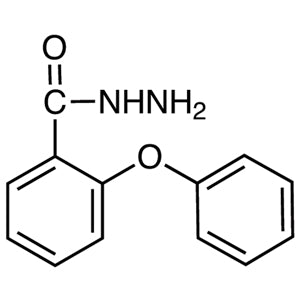
2-Phenoxybenzohydrazide TCI P2357
Regular price From Rp 1.458.450,00Regular price -
2-Methoxybenzohydrazide TCI M3840
Regular price From Rp 903.000,00Regular price -
4-Methoxybenzohydrazide TCI M1770
Regular price From Rp 1.510.950,00Regular price -
2,4-Dihydroxybenzohydrazide TCI D4784
Regular price Rp 1.565.550,00Regular price -
3-Bromobenzohydrazide TCI B4148
Regular price Rp 505.050,00Regular price -
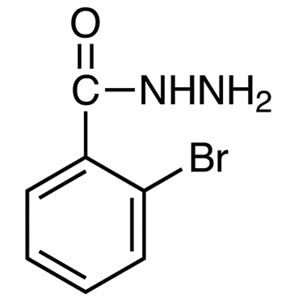
2-Bromobenzohydrazide TCI B4147
Regular price Rp 3.021.900,00Regular price