3-Methoxybenzohydrazide is a chemical compound widely used in laboratory settings for the synthesis of complex organic molecules. As a building block in chemical reactions, it serves as a fundamental component in the development of various organic compounds. This compound is particularly valuable in synthetic chemistry due to its versatility and reactivity. It is commonly used in the preparation of hydrazones, which are essential intermediates in the synthesis of heterocyclic and aromatic compounds. Its role in laboratory research is crucial, especially in the field of organic chemistry and pharmaceutical development.
The compound is known for its stable chemical structure and favorable reactivity under different reaction conditions. It exhibits good solubility in organic solvents such as ethyl acetate and acetone, which facilitates its use in various reaction protocols. The presence of both methoxy and hydrazide functional groups enhances its applicability in substitution and condensation reactions. These properties make it a preferred choice for researchers seeking reliable and effective reagents for their experiments.
In Indonesian laboratories, 3-Methoxybenzohydrazide is extensively utilized in chemical research, particularly in the synthesis of pharmaceutical compounds and industrial chemicals. Its reliability and performance in a wide range of chemical reactions make it a go-to material for scientists and researchers working on complex organic syntheses. Its availability and consistent quality ensure that it meets the demands of both academic and industrial research settings.
- Organic synthesis applications benefit from 3-Methoxybenzohydrazide due to its ability to participate in hydrazone formation, which is essential for constructing complex molecular frameworks.
- Pharmaceutical research utilizes this compound for the development of new drug molecules, as its functional groups can be modified to create bioactive compounds.
- Industrial chemical synthesis relies on this material for the production of aromatic and heterocyclic compounds, which are key components in various chemical products.
- Analytical chemistry laboratories use it as a reference standard for identifying and quantifying compounds in complex mixtures.
- Research in medicinal chemistry leverages its reactivity to design and test new therapeutic agents, contributing to drug discovery efforts.
| Brand | TCI |
|---|---|
| CAS number | 5785-06-8 |
| Molecular formula | — |
| Purity | — |
| Category | Chemistry > Building Blocks > Non-Heterocyclic Building Blocks |
| Pack sizes | Available in various quantities as per standard laboratory supply |
| Physical form | Solid |
| Storage | Store in a cool, dry place away from direct sunlight and moisture |
3-Methoxybenzohydrazide should be stored in a cool, dry environment to maintain its chemical stability. It is recommended to keep it in a sealed container to prevent exposure to moisture and air, which could affect its reactivity. Suitable storage containers include glass or high-density polyethylene (HDPE) bottles with tight-fitting lids. In laboratory settings, it is important to handle the compound with appropriate personal protective equipment, such as gloves and safety goggles, to ensure safe handling. Avoid contact with incompatible substances, and ensure proper ventilation when working with this material. Regular monitoring of storage conditions helps maintain the integrity and effectiveness of the compound for research purposes.
—
Produk Terkait
-
2-Methoxybenzohydrazide TCI M3840
Regular price From Rp 955.500,00Regular priceRp 683.550,00Sale price From Rp 955.500,00 -
4-Methoxybenzohydrazide TCI M1770
Regular price From Rp 1.563.450,00Regular priceRp 1.108.800,00Sale price From Rp 1.563.450,00 -
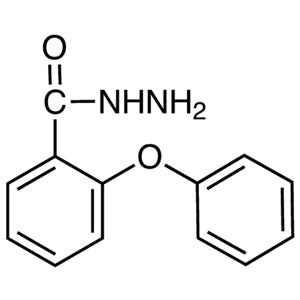
2-Phenoxybenzohydrazide TCI P2357
Regular price From Rp 1.510.950,00Regular priceRp 1.072.050,00Sale price From Rp 1.510.950,00 -
3-Hydroxybenzohydrazide TCI H1520
Regular price Rp 2.464.350,00Regular priceRp 1.738.800,00Sale price Rp 2.464.350,00 -
4-Hydroxybenzohydrazide TCI H1275
Regular price From Rp 2.411.850,00Regular priceRp 1.702.050,00Sale price From Rp 2.411.850,00 -
2,4-Dihydroxybenzohydrazide TCI D4784
Regular price Rp 1.618.050,00Regular priceRp 1.146.600,00Sale price Rp 1.618.050,00 -
3-Bromobenzohydrazide TCI B4148
Regular price Rp 557.550,00Regular priceRp 405.300,00Sale price Rp 557.550,00 -
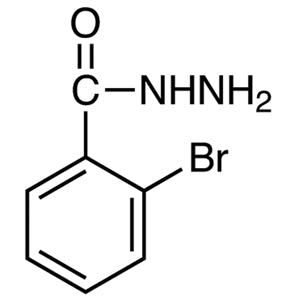
2-Bromobenzohydrazide TCI B4147
Regular price Rp 3.074.400,00Regular priceRp 2.165.100,00Sale price Rp 3.074.400,00