TCI M1053 trans-1-Methyl-4-carboxy-5-(3-pyridyl)-2-pyrrolidinone is a heterocyclic compound that combines a methylated pyrrolidinone ring with a 3-pyridyl substituent and a carboxylic acid group, arranged in a defined trans stereochemical relationship. This pyrrolidinone–pyridyl framework is closely related to the structure of the alkaloid nicotine and its metabolite derivatives, which is why the compound is widely sought in biochemical research, toxicology, and biomarker analysis. In the laboratory, the material serves both as an analytical reference compound and as a heterocyclic building block for the synthesis of more complex nitrogen-containing compounds.
The characteristics that make it valuable are its functional group density and its stereochemical clarity. Within a single molecule there is a cyclic amide, a pyridine ring that is both weakly basic and capable of binding metals, and a carboxylic acid group that can be esterified, amidated, or reduced. The trans configuration between the carboxyl group and the pyridyl substituent gives a specific three-dimensional shape, something that is highly important in studies of interactions with enzymes and receptors. The amphoteric nature arising from the presence of the carboxylic acid together with the pyridine nitrogen also governs how the compound behaves in solution.
In Indonesian laboratories, this compound is typically encountered in university research groups, analytical service laboratories, and synthetic chemistry units working on nitrogen heterocycles. It is generally ordered in small research quantities rather than production volumes, since its role is as a reference standard or a starting fragment in a multi-step synthetic route. Laboratories handling metabolite and biomarker work usually keep it alongside other related heterocyclic standards.
- Analytical reference standard: the defined trans stereochemistry and known structure allow it to be used for identity confirmation and method comparison in metabolite and biomarker analysis work.
- Heterocyclic building block in synthesis: the carboxylic acid group provides a direct handle for esterification, amidation, or reduction when constructing more complex nitrogen-containing target molecules.
- Nicotine metabolite–related research: its close structural relationship to nicotine alkaloid derivatives makes it relevant to biochemical and toxicological studies of nitrogen alkaloid transformation pathways.
- Enzyme and receptor interaction studies: the specific three-dimensional shape set by the trans configuration between carboxyl and pyridyl groups supports structure–activity investigations of binding behaviour.
- Coordination and solution behaviour studies: the pyridine nitrogen acts as a weakly basic, metal-binding site while the carboxylic acid contributes amphoteric character useful in solution chemistry experiments.
| Brand | TCI (Tokyo Chemical Industry) |
|---|---|
| CAS number | 161171-06-8 |
| Molecular formula | — |
| Purity | — |
| Category | Chemistry > Building Blocks > Heterocyclic Building Blocks |
| Pack sizes | research-scale pack sizes as supplied by the manufacturer; please confirm the available option when ordering |
| Physical form | — |
| Storage | follow the storage conditions stated on the manufacturer's label and safety data sheet |
- Chemical class: heterocyclic compound, methylated pyrrolidinone ring bearing a 3-pyridyl substituent and a carboxylic acid group
- Stereochemistry: defined trans configuration between the carboxyl group and the pyridyl substituent
Store the container tightly closed in a cool, dry place, away from direct sunlight, moisture, and sources of heat, and follow the specific storage conditions printed on the manufacturer's label and safety data sheet. Keep the material in its original supplier container or in a clean, chemically compatible, well-sealed glass container that is clearly labelled with the compound name and CAS number. Because the compound carries both a carboxylic acid group and a basic pyridine nitrogen, store it separately from strong acids, strong bases, and strong oxidising agents. Handle the solid in a well-ventilated area or fume hood to avoid dust formation, and wear standard laboratory personal protective equipment including a lab coat, safety goggles, and chemically resistant gloves. Avoid inhalation and contact with skin and eyes, and wash hands thoroughly after handling. Dispose of residues and contaminated materials in accordance with applicable institutional and local chemical waste regulations.
—
Produk Terkait
-
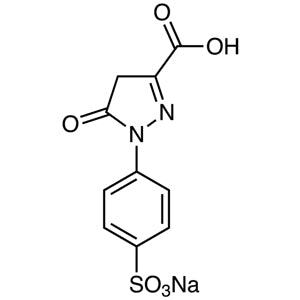
3-Carboxy-1-(4-sulfophenyl)-5-pyrazoloneSodiumSalt TCI C0845
Regular price Rp 1.405.950,00Regular price -
2-(2-Pyridyl)benzo[b]thiophene TCI B3561
Regular price Rp 3.340.050,00Regular price -
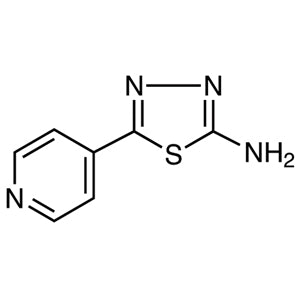
2-Amino-5-(4-pyridyl)-1,3,4-thiadiazole TCI A3038
Regular price From Rp 1.167.600,00Regular price -
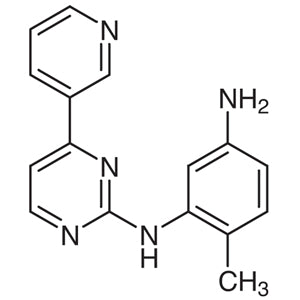
2-(5-Amino-2-methylanilino)-4-(3-pyridyl)pyrimidine TCI A2308
Regular price From Rp 505.050,00Regular price -
2-(2-Pyridyl)benzoxazole TCI P2098
Regular price Rp 1.431.150,00Regular price -
1-(4-Pyridyl)piperazine TCI P1863
Regular price Rp 1.008.000,00Regular price -
4-(4-Pyridyl)morpholine TCI P1646
Regular price From Rp 3.605.700,00Regular price -
2-(2-Pyridyl)benzimidazole TCI P1599
Regular price Rp 1.829.100,00Regular price
![38210-35-4 2-(2-Pyridyl)benzo[b]thiophene - AMI Scientific](http://amiscientific.com/cdn/shop/files/TCI2510B3561.jpg?v=1767090055&width=533)