2-Amino-5-(4-pyridyl)-1,3,4-thiadiazole is a chemical compound widely used in organic synthesis reactions, particularly in the formation of heterocyclic compounds. As a building block, it provides a versatile platform for the development of complex molecules with specific functional groups. This compound is commonly found in chemical research processes, especially in the synthesis of pharmaceuticals and advanced chemical structures. Its molecular structure contains nitrogen and sulfur atoms, which contribute to its reactivity and ability to form various functional groups. These characteristics make it a valuable tool in synthetic chemistry, enabling the creation of compounds with diverse biological activities.
The compound's unique molecular structure, featuring both nitrogen and sulfur atoms, gives it high reactivity and compatibility with a wide range of functional groups. This reactivity allows it to participate in multiple chemical transformations, making it a preferred choice for researchers working on complex molecule synthesis. Its stability under controlled conditions also ensures reliable results in laboratory settings. These properties make it particularly useful in applications requiring precise chemical reactions and controlled synthesis pathways.
In Indonesian laboratories, 2-Amino-5-(4-pyridyl)-1,3,4-thiadiazole is used in both fundamental and applied chemical research. It is a key reagent in the development of new drugs and chemical compounds, supporting various research initiatives in universities and research institutions. Its availability and chemical properties make it a commonly used material in synthetic chemistry projects, contributing to the advancement of scientific knowledge in the region.
Related TCI products
- TCI A0425 2349-67-9 2-Amino-5-mercapto-1,3,4-thiadiazole
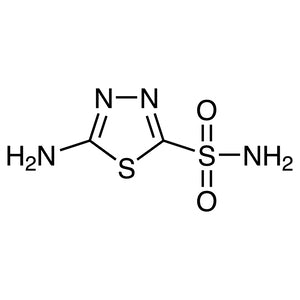
- TCI A3569 14949-00-9 5-Amino-1,3,4-thiadiazole-2-sulfonamide
- TCI A2677 25660-71-3 2-Amino-5-(benzylthio)-1,3,4-thiadiazole
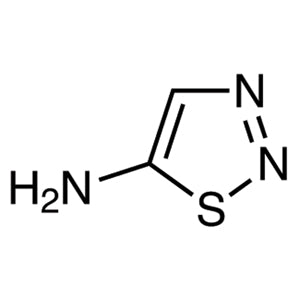
- TCI A2354 4100-41-8 5-Amino-1,2,3-thiadiazole
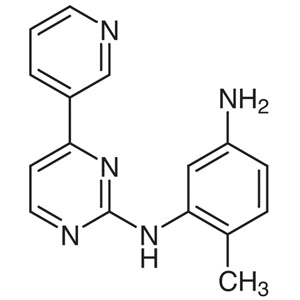
- TCI A2308 152460-10-1 2-(5-Amino-2-methylanilino)-4-(3-pyridyl)pyrimidine
- TCI A1060 4005-51-0 2-Amino-1,3,4-thiadiazole
- Organic synthesis of heterocyclic compounds due to its reactive nitrogen and sulfur atoms.
- Pharmaceutical research for the development of bioactive molecules with specific functionalities.
- Chemical engineering applications requiring precise and controlled synthetic pathways.
- Academic research in universities focusing on advanced synthetic methodologies.
- Industrial applications in the production of complex chemical intermediates.
| Brand | TCI |
|---|---|
| CAS number | 2002-04-2 |
| Molecular formula | — |
| Purity | — |
| Category | Chemistry > Building Blocks > Heterocyclic Building Blocks |
| Pack sizes | Available in standard laboratory quantities |
| Physical form | Solid powder |
| Storage | Store in a cool, dry place away from light and moisture |
This compound should be stored in a cool, dry environment, away from direct light and moisture to maintain its chemical stability. It is recommended to use airtight containers to prevent exposure to air and humidity, which could affect its reactivity. In laboratory settings, it should be handled with appropriate personal protective equipment, such as gloves and safety goggles, to ensure safe handling. Due to its reactive nature, it should be stored separately from strong oxidizing or reducing agents. Proper labeling and storage conditions are essential to maintain its integrity and ensure safe use in chemical synthesis processes.
—
Produk Terkait
-
2-Amino-5-mercapto-1,3,4-thiadiazole TCI A0425
Regular price From Rp 822.150,00Regular priceRp 590.100,00Sale price From Rp 822.150,00 -
5-Amino-1,3,4-thiadiazole-2-sulfonamide TCI A3569
Regular price Rp 6.095.250,00Regular priceRp 4.277.700,00Sale price Rp 6.095.250,00 -
2-Amino-5-(benzylthio)-1,3,4-thiadiazole TCI A2677
Regular price From Rp 3.735.900,00Regular priceRp 2.628.150,00Sale price From Rp 3.735.900,00 -
5-Amino-1,2,3-thiadiazole TCI A2354
Regular price From Rp 2.147.250,00Regular priceRp 1.517.250,00Sale price From Rp 2.147.250,00 -
2-(5-Amino-2-methylanilino)-4-(3-pyridyl)pyrimidine TCI A2308
Regular price From Rp 557.550,00Regular priceRp 405.300,00Sale price From Rp 557.550,00 -
2-Amino-1,3,4-thiadiazole TCI A1060
Regular price From Rp 1.246.350,00Regular priceRp 887.250,00Sale price From Rp 1.246.350,00 -
2-Amino-5-methyl-1,3,4-thiadiazole TCI A0874
Regular price From Rp 848.400,00Regular priceRp 609.000,00Sale price From Rp 848.400,00 -
1,3,4-Thiadiazole-2,5-diamine TCI T3544
Regular price Rp 3.048.150,00Regular priceRp 2.147.250,00Sale price Rp 3.048.150,00