2-Amino-5-methyl-1,3,4-thiadiazole is a chemical compound belonging to the heterocyclic category, known for its complex structure and high reactivity. This compound plays a crucial role in laboratory settings as a building block for the synthesis of various organic compounds. Its unique molecular structure makes it a valuable tool in the development of heterocyclic derivatives, including thiazoles and their related compounds. In chemical research, it serves as a versatile intermediate, enabling the creation of more complex molecules through chemical reactions such as substitution, coupling, and ring closure.
The chemical properties of 2-Amino-5-methyl-1,3,4-thiadiazole make it a preferred choice for researchers. It exhibits the ability to form bonds with a variety of functional groups, enhancing its utility in synthetic pathways. Its stability under certain conditions also contributes to its reliability in laboratory applications. These characteristics make it an essential component in the synthesis of bioactive compounds, particularly those with pharmaceutical or industrial applications. Its reactivity and structural versatility are key factors in its widespread use in organic chemistry.
In Indonesian laboratories, 2-Amino-5-methyl-1,3,4-thiadiazole is commonly used in research related to organic chemistry, pharmacology, and industrial chemical development. Local researchers frequently utilize this compound in the synthesis of new compounds with potential therapeutic or commercial value. Its availability and chemical properties make it a go-to material for those working on drug discovery, material science, and other advanced chemical research projects.
Related TCI products
- TCI A0425 2349-67-9 2-Amino-5-mercapto-1,3,4-thiadiazole
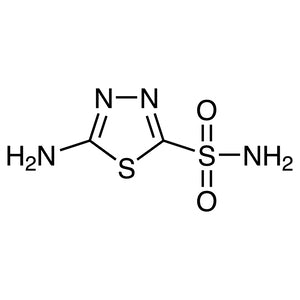
- TCI A3569 14949-00-9 5-Amino-1,3,4-thiadiazole-2-sulfonamide
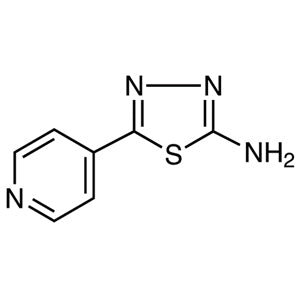
- TCI A3038 2002-04-2 2-Amino-5-(4-pyridyl)-1,3,4-thiadiazole
- TCI A2677 25660-71-3 2-Amino-5-(benzylthio)-1,3,4-thiadiazole
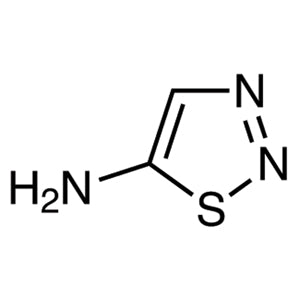
- TCI A2354 4100-41-8 5-Amino-1,2,3-thiadiazole
- TCI A1060 4005-51-0 2-Amino-1,3,4-thiadiazole
- Organic synthesis is a primary application where this compound is used to build complex molecules through various chemical reactions.
- Pharmaceutical research benefits from its ability to form bioactive compounds, making it useful in drug development and discovery.
- Industrial chemical development relies on its reactivity and structural versatility for the creation of new materials and products.
- Heterocyclic compound synthesis is a key area where it serves as a foundational building block for creating derivatives like thiazoles.
- Bioactive compound research utilizes its chemical properties to explore new compounds with potential therapeutic applications.
| Brand | TCI |
|---|---|
| CAS number | 108-33-8 |
| Molecular formula | — |
| Purity | — |
| Category | Chemistry > Building Blocks > Heterocyclic Building Blocks |
| Pack sizes | Available in standard laboratory quantities |
| Physical form | Solid powder |
| Storage | Store in a cool, dry place away from light |
This compound should be stored in a cool, dry environment, away from direct sunlight and sources of heat. It is recommended to keep it in a sealed container to prevent exposure to moisture and air. Due to its chemical reactivity, it should be handled with care, using appropriate personal protective equipment such as gloves and safety goggles. It is advisable to store it in a well-ventilated area to minimize any potential risks associated with its handling. Proper storage ensures the compound remains stable and suitable for use in laboratory applications. Always follow standard laboratory safety protocols when working with this material.
—
Produk Terkait
-
2-Amino-5-mercapto-1,3,4-thiadiazole TCI A0425
Regular price From Rp 822.150,00Regular priceRp 590.100,00Sale price From Rp 822.150,00 -
5-Amino-1,3,4-thiadiazole-2-sulfonamide TCI A3569
Regular price Rp 6.095.250,00Regular priceRp 4.277.700,00Sale price Rp 6.095.250,00 -
2-Amino-5-(4-pyridyl)-1,3,4-thiadiazole TCI A3038
Regular price From Rp 1.220.100,00Regular priceRp 868.350,00Sale price From Rp 1.220.100,00 -
2-Amino-5-(benzylthio)-1,3,4-thiadiazole TCI A2677
Regular price From Rp 3.735.900,00Regular priceRp 2.628.150,00Sale price From Rp 3.735.900,00 -
5-Amino-1,2,3-thiadiazole TCI A2354
Regular price From Rp 2.147.250,00Regular priceRp 1.517.250,00Sale price From Rp 2.147.250,00 -
2-Amino-1,3,4-thiadiazole TCI A1060
Regular price From Rp 1.246.350,00Regular priceRp 887.250,00Sale price From Rp 1.246.350,00 -
1,3,4-Thiadiazole-2,5-diamine TCI T3544
Regular price Rp 3.048.150,00Regular priceRp 2.147.250,00Sale price Rp 3.048.150,00 -
1,3,4-Thiadiazole-2-thiol TCI T2884
Regular price Rp 3.232.950,00Regular priceRp 2.276.400,00Sale price Rp 3.232.950,00