1-(4-Pyridyl)piperazine is a chemical compound widely used in organic synthesis reactions, particularly in the formation of heterocyclic compounds. Its versatility makes it a valuable tool in chemical research, as it can interact with various functional groups, enabling the creation of complex molecular structures. In the laboratory, this compound plays a crucial role in building larger chemical frameworks, both in drug synthesis and in the development of new materials. Its unique chemical structure, featuring two nitrogen atoms capable of acting as electron donors, allows it to participate in a variety of reaction types, including nucleophilic and electrophilic reactions.
The compound’s stability and reactivity make it a preferred choice for researchers seeking reliable and consistent results. Its ability to form stable intermediates and its compatibility with a wide range of reaction conditions enhance its utility in synthetic processes. These properties are particularly beneficial in the context of organic chemistry, where precise control over reaction pathways is essential. The compound's broad applicability across different synthetic strategies further solidifies its position as a key building block in modern chemical research.
In Indonesian laboratories, 1-(4-Pyridyl)piperazine is commonly used in scientific research, especially in the fields of pharmacy and organic chemistry. Researchers frequently utilize this compound to develop new pharmaceutical compounds and to explore the properties of heterocyclic structures. Its role in advancing scientific innovation in these areas underscores its importance in the Indonesian scientific community.
Related TCI products
- TCI P1033 34803-66-2 1-(2-Pyridyl)piperazine
- TCI B3561 38210-35-4 2-(2-Pyridyl)benzo[b]thiophene
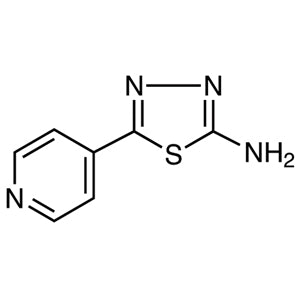
- TCI A3038 2002-04-2 2-Amino-5-(4-pyridyl)-1,3,4-thiadiazole
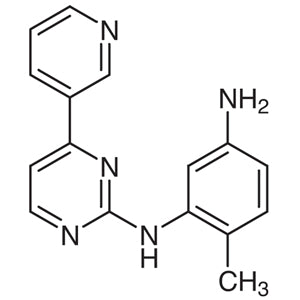
- TCI A2308 152460-10-1 2-(5-Amino-2-methylanilino)-4-(3-pyridyl)pyrimidine
- TCI P2098 32959-62-9 2-(2-Pyridyl)benzoxazole
- TCI P1646 2767-91-1 4-(4-Pyridyl)morpholine
- Organic synthesis of heterocyclic compounds due to its ability to form stable intermediates and participate in nucleophilic and electrophilic reactions.
- Drug development processes where the compound is used to construct complex molecular frameworks essential for pharmaceutical applications.
- Material science research for the creation of new polymers and functional materials through controlled chemical reactions.
- Analytical chemistry experiments requiring a reliable and consistent building block for synthetic pathways.
- Academic research in Indonesian universities focusing on chemical innovation and structural chemistry studies.
| Brand | TCI |
|---|---|
| CAS number | 1008-91-9 |
| Molecular formula | — |
| Purity | — |
| Category | Chemistry > Building Blocks > Heterocyclic Building Blocks |
| Pack sizes | Available in standard laboratory quantities as per supplier specifications |
| Physical form | Solid powder (as per typical chemical compound presentation) |
| Storage | Store in a cool, dry place away from direct sunlight and moisture |
This compound should be stored in a cool, dry environment to maintain its chemical integrity and prevent degradation. It is recommended to use airtight containers to protect it from moisture and air exposure, which can affect its reactivity. Proper labeling of storage containers is essential to ensure safe handling and prevent accidental use. In a laboratory setting, it should be kept away from incompatible substances such as strong oxidizers and acids. Regular inspection of storage conditions is advised to ensure compliance with safety protocols and to maintain the compound's effectiveness for research purposes. Always follow standard laboratory safety practices when handling and storing chemical compounds.
—
Produk Terkait
-
1-(2-Pyridyl)piperazine TCI P1033
Regular price Rp 980.700,00Regular price -
2-(2-Pyridyl)benzo[b]thiophene TCI B3561
Regular price Rp 3.340.050,00Regular price -
2-Amino-5-(4-pyridyl)-1,3,4-thiadiazole TCI A3038
Regular price From Rp 1.167.600,00Regular price -
2-(5-Amino-2-methylanilino)-4-(3-pyridyl)pyrimidine TCI A2308
Regular price From Rp 505.050,00Regular price -
2-(2-Pyridyl)benzoxazole TCI P2098
Regular price Rp 1.431.150,00Regular price -
4-(4-Pyridyl)morpholine TCI P1646
Regular price From Rp 3.605.700,00Regular price -
2-(2-Pyridyl)benzimidazole TCI P1599
Regular price Rp 1.829.100,00Regular price -
trans-1-Methyl-4-carboxy-5-(3-pyridyl)-2-pyrrolidinone TCI M1053
Regular price From Rp 505.050,00Regular price

![38210-35-4 2-(2-Pyridyl)benzo[b]thiophene - AMI Scientific](http://amiscientific.com/cdn/shop/files/TCI2510B3561.jpg?v=1767090055&width=533)