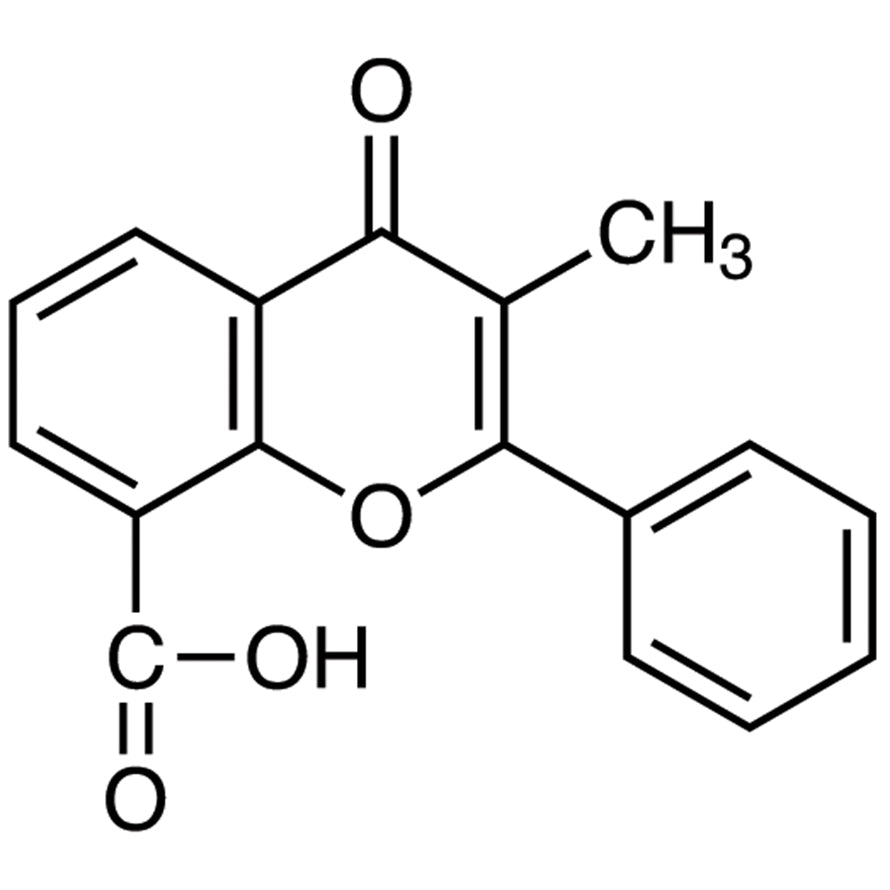
3-Methylflavone-8-carboxylic Acid, CAS 3468-01-7, is a flavone derivative carrying a methyl group at the C-3 position and a carboxylic acid group at the C-8 position of the chromen-4-one skeleton. The compound is classified among the aromatic polyketides and phenylpropanoids, and is widely recognised among pharmaceutical researchers as a related compound in flavoxate chemistry. In the laboratory, its roles include service as an analytical reference material, as a starting material for the synthesis of ester derivatives, and as a subject of study in medicinal chemistry research built on the flavone framework.
The characteristic that makes this material particularly interesting is the presence of a carboxylic acid group on a flavone skeleton that is generally neutral in character. This acid group gives the compound ionisable properties, so that its solubility behaviour and chromatographic retention depend strongly on the pH of the mobile phase — a feature that is deliberately exploited during analytical method development. The carboxylate group also serves as a reactive site for esterification, amidation, or salt formation. The conjugated chromenone system, meanwhile, provides strong ultraviolet absorption, making detection with a UV detector both sensitive and reliable.
In Indonesia, quality control laboratories in the pharmaceutical industry and academic research laboratories are the typical setting in which this compound is used. It supports comparison work against flavone-based materials, method development activities that depend on pH-controlled separation, and synthetic studies that require a defined flavone building block. The combination of a well-defined structure and a recognised place in flavoxate-related chemistry makes it a practical item to keep on hand in such laboratories.
TCI brochures (PDF)
- Phytochemicals 2025-12-17 · p. 11
- Analytical reference material: the compound serves as a comparison standard in flavone-related analysis, where its defined structure and strong UV absorbance allow reliable peak identification and confirmation.
- HPLC method development: because the carboxylic acid group is ionisable, retention shifts predictably with mobile phase pH, making this compound useful for studying and optimising pH-controlled separation conditions.
- Pharmaceutical quality control: laboratories examining flavoxate-related chemistry use this related compound as a reference point when establishing and verifying identity and separation procedures for routine testing.
- Synthesis of ester derivatives: the free carboxylate group provides a direct reactive handle for esterification, amidation, or salt formation, making the compound a convenient starting material for derivative preparation.
- Medicinal chemistry research: investigators studying the flavone scaffold use this substituted chromen-4-one as a defined structural subject for exploring modifications at the C-3 and C-8 positions.
| Brand | TCI |
|---|---|
| CAS number | 3468-01-7 |
| Molecular formula | — |
| Purity | — |
| Category | Life Science > Biochemicals and Reagents > Phenylpropanoids, Aromatic Polyketides |
| Pack sizes | available in standard research and laboratory pack sizes; please confirm the currently listed options when ordering |
| Physical form | — |
| Storage | store under the conditions indicated on the manufacturer's label for this product |
- Product code: M2371
Store the container in a cool, dry, well-ventilated area away from direct sunlight, moisture, and incompatible chemicals, following the storage conditions stated on the manufacturer's label. Keep the material in its original tightly closed container, or in a clean amber glass container with a chemically resistant closure, to limit exposure to light and humidity. Handle the solid in a fume hood or a well-ventilated workspace to avoid generating or inhaling dust, and wear a laboratory coat, safety goggles, and suitable chemical-resistant gloves. Weigh and transfer the compound using clean, dry spatulas to prevent contamination of the stock, and close the container promptly after use. Label all prepared solutions clearly, and consult the manufacturer's safety data sheet before first use and before disposal of any residues or contaminated materials.
—
Produk Terkait
-
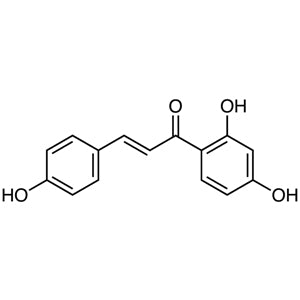
Isoliquiritigenin TCI I0822
Regular price From Rp 1.035.300,00Regular price -
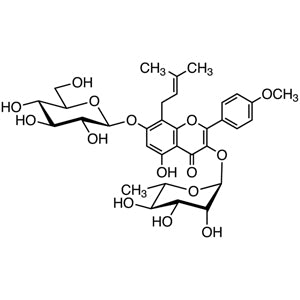
Icariin TCI I0862
Regular price From Rp 1.829.100,00Regular price -
Xanthohumol TCI X0068
Regular price Rp 13.249.950,00Regular price -
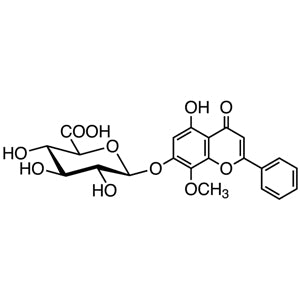
Wogonoside TCI W0012
Regular price From Rp 5.672.100,00Regular price -
Wogonin TCI W0010
Regular price From Rp 4.188.450,00Regular price -
PotengriffiosideA TCI T4196
Regular price Rp 7.844.550,00Regular price -
Tectochrysin TCI T4185
Regular price Rp 4.823.700,00Regular price -
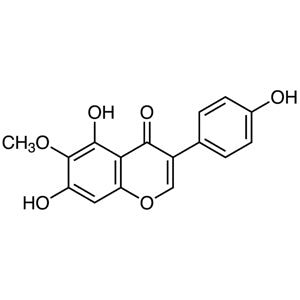
Tectorigenin TCI T3729
Regular price From Rp 4.718.700,00Regular price