2-Naphthyl Trifluoromethanesulfonate (2-naphthyl triflate) from TCI, product code N0845, is the trifluoromethanesulfonic acid ester of 2-naphthol. It belongs to the aryl triflate class, a group of electrophilic reagents widely used in modern organic synthesis. In the laboratory, the triflate group on the naphthalene ring acts as an excellent leaving group. For this reason, the compound often replaces aryl halides in transition-metal-catalysed cross-coupling reactions, where it gives a controlled and efficient way to build naphthalene frameworks substituted at the 2-position.
Chemists choose this reagent because the trifluoromethanesulfonate group leaves very easily, so palladium and nickel catalysts activate the aryl C–O bond quickly. Aryl triflates are also simple to make from widely available phenols and naphthols. This lets researchers plan routes that start from naphthol without first making the bromide or iodide derivative. The fluorine atoms in the triflate group place the compound in the fluorinated building block category. Because it can lead to many different products, it is a flexible reagent for reaction methodology research, synthesis of active compounds, and materials development.
In Indonesian laboratories, 2-naphthyl triflate is mostly used by university organic chemistry research groups, pharmaceutical and fine chemical R&D teams, and materials science laboratories. It is typically bought in research quantities for small-scale synthesis, such as testing new catalytic cross-coupling conditions, preparing substituted naphthalene intermediates, or training graduate students in modern coupling chemistry. Researchers who need a reliable naphthyl electrophile with consistent reactivity from batch to batch, supplied under a recognised brand, often choose the TCI grade.
Related TCI products
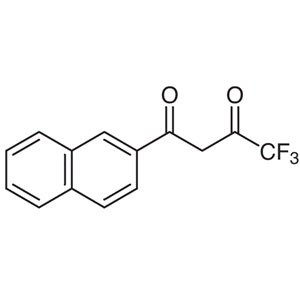
- TCI T1583 893-33-4 4,4,4-Trifluoro-1-(2-naphthyl)-1,3-butanedione
- TCI Z0057-5G 54010-75-2 Zinc(II) Trifluoromethanesulfonate [for Electrolyte]
- TCI T2606 29540-83-8 p-Tolyl Trifluoromethanesulfonate
- TCI T1709 109613-00-5 4-Acetylphenyl Trifluoromethanesulfonate
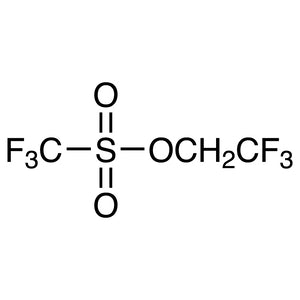
- TCI T1604 6226-25-1 2,2,2-Trifluoroethyl Trifluoromethanesulfonate
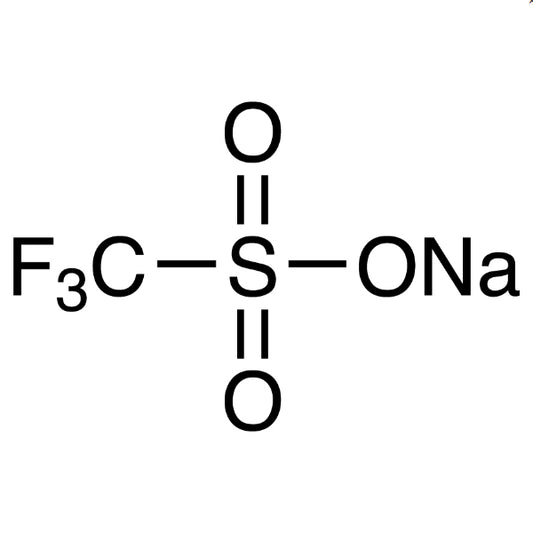
- TCI T1550 2926-30-9 Sodium Trifluoromethanesulfonate
- Suzuki–Miyaura cross-coupling: the triflate group is a highly reactive leaving group under palladium catalysis, so it couples readily with boronic acids to form 2-arylnaphthalene frameworks.
- Nickel-catalysed coupling reactions: nickel catalysts activate the aryl C–O bond of the triflate efficiently, giving an alternative to aryl halides for building substituted naphthalenes.
- Reaction methodology research: as a well-defined aryl triflate electrophile, it is a useful model substrate for testing new catalysts, ligands, and reaction conditions in cross-coupling studies.
- Synthesis of active compound intermediates: it lets researchers install functional groups selectively at the naphthalene 2-position, which suits building complex intermediates for pharmaceutical and fine chemical research.
- Materials development: aromatic naphthalene cores are valuable in functional materials, and this triflate gives a controlled coupling handle for building extended conjugated structures from naphthol-derived starting points.
| Brand | TCI (product code N0845) |
|---|---|
| CAS number | 3857-83-8 |
| Molecular formula | — |
| Purity | — |
| Category | Chemistry > Building Blocks > Fluorinated Building Blocks |
| Pack sizes | available in the pack sizes offered by TCI for this product code; please check the current product listing |
| Physical form | refer to the TCI product specification and Certificate of Analysis |
| Storage | follow the storage conditions stated on the TCI label and Safety Data Sheet |
Keep 2-naphthyl triflate in its original tightly closed container in a cool, dry, well-ventilated place, away from moisture, strong bases, and oxidising agents. Sulfonate esters can hydrolyse slowly on long exposure to humidity, so reseal the container promptly after each use. Keep it away from heat and direct sunlight, and follow the specific storage temperature on the TCI label. When handling, wear suitable personal protective equipment, including safety glasses, chemical-resistant gloves, and a laboratory coat, and work in a fume hood. Avoid contact with skin and eyes and avoid breathing dust or vapour. Always read the Safety Data Sheet before use, and dispose of waste according to local regulations for chemicals.
—
Produk Terkait
-
4,4,4-Trifluoro-1-(2-naphthyl)-1,3-butanedione TCI T1583
Regular price From Rp 1.060.500,00Regular price -
Zinc(II)Trifluoromethanesulfonate[forElectrolyte] TCI Z0057-5G
Regular price Rp 1.326.150,00Regular price -
p-TolylTrifluoromethanesulfonate TCI T2606
Regular price Rp 2.491.650,00Regular price -
4-AcetylphenylTrifluoromethanesulfonate TCI T1709
Regular price Rp 2.041.200,00Regular price -
2,2,2-TrifluoroethylTrifluoromethanesulfonate TCI T1604
Regular price From Rp 3.232.950,00Regular price -
SodiumTrifluoromethanesulfonate TCI T1550
Regular price From Rp 637.350,00Regular price -
PotassiumTrifluoromethanesulfonate TCI T1549
Regular price Rp 1.644.300,00Regular price -
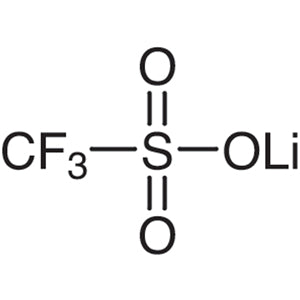
LithiumTrifluoromethanesulfonate TCI T1548
Regular price Rp 1.485.750,00Regular price
![54010-75-2 Zinc(II) Trifluoromethanesulfonate [for Electrolyte] - AMI Scientific](http://amiscientific.com/cdn/shop/files/TCI2510Z0057_9ad4d559-5f76-4c77-b1e0-21de52a28b66.jpg?v=1769181390&width=533)