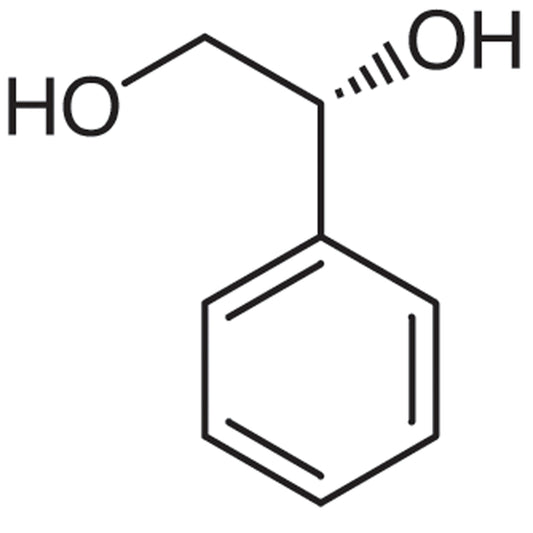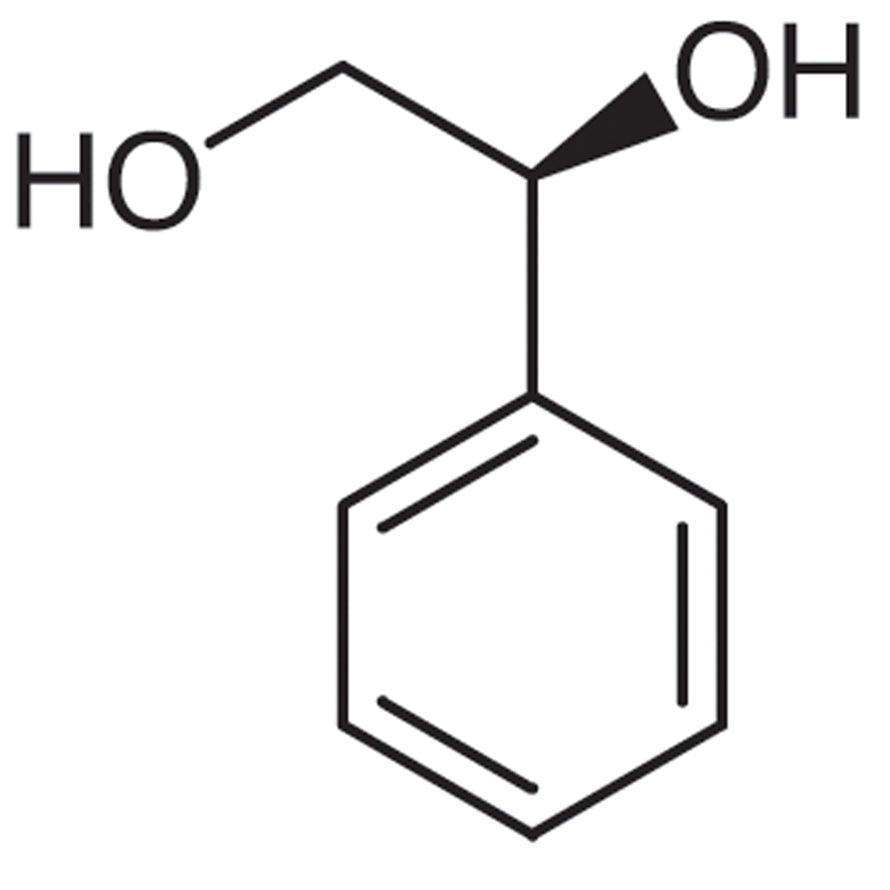
(S)-(+)-1-Phenylethane-1,2-diol is a chiral compound widely used in asymmetric synthesis to construct molecules with specific biological activities. This material plays a critical role in chemical laboratories, particularly in research involving optically active compounds and pharmacologically relevant substances. As a chiral building block, it enables the synthesis of complex molecules with precise stereochemistry, which is essential for developing compounds with targeted therapeutic effects. Its unique stereochemical properties make it an essential tool in modern synthetic chemistry.
The compound's optical activity and molecular complexity are key factors that make it a preferred choice in synthetic processes. Its ability to influence the stereochemistry of the final product ensures high selectivity and efficiency in reactions. This characteristic is especially valuable in pharmaceutical research, where the spatial arrangement of atoms can significantly impact the efficacy and safety of a drug. The compound's stability and reactivity under controlled conditions further enhance its utility in laboratory settings.
In Indonesian laboratories, (S)-(+)-1-Phenylethane-1,2-diol is commonly used in organic chemistry and pharmacology research. It is integral to experiments focused on the synthesis of biologically active compounds, including potential drug candidates. Its application supports both academic and industrial research, contributing to the development of new therapeutic agents and chemical innovations in the region.
- Asymmetric synthesis is a key application where this compound serves as a chiral auxiliary to control stereochemistry in complex molecule construction.
- Pharmaceutical research benefits from its optical activity, enabling the creation of enantiomerically pure compounds with specific therapeutic properties.
- Organic chemistry experiments utilize it as a chiral building block to synthesize molecules with precise stereochemical configurations.
- Drug development projects rely on its ability to influence reaction outcomes, ensuring the production of biologically active compounds.
- Academic research in pharmacology uses it to explore the effects of stereochemistry on molecular function and biological activity.
| Brand | TCI |
|---|---|
| CAS number | 25779-13-9 |
| Molecular formula | — |
| Purity | — |
| Category | Chemistry > Asymmetric Synthesis > Chiral Building Blocks |
| Pack sizes | Available in various quantities as per supplier specifications |
| Physical form | Liquid or crystalline, depending on formulation |
| Storage | Store in a cool, dry place away from light and moisture |
This compound should be stored in a cool, dry environment, away from direct light and moisture to maintain its stability and integrity. It is recommended to use airtight containers made of glass or high-density polyethylene to prevent contamination and degradation. Due to its chiral nature, it is important to handle it with care to avoid any unintended stereochemical changes during synthesis. Proper labeling and storage conditions are essential to ensure safety and maintain the compound's effectiveness in laboratory applications. Always follow standard laboratory safety protocols when working with this material to ensure optimal results and minimize risks.
—
Produk Terkait
-
(R)-(-)-1-Phenylethane-1,2-diol TCI P1150
Regular price From Rp 823.200,00Regular price -
(S)-(+)-2-Chloro-1-phenylethanol TCI C3562
Regular price From Rp 980.700,00Regular price -
(R)-(-)-2-Chloro-1-phenylethanol TCI C3561
Regular price From Rp 2.597.700,00Regular price -
(S)-(-)-1-PhenylethylAlcohol TCI P0796
Regular price From Rp 1.431.150,00Regular price -
(R)-(+)-1-PhenylethylAlcohol TCI P0795
Regular price From Rp 1.220.100,00Regular price -
1-Phenylethane-1,2-diol TCI P0686
Regular price From Rp 2.889.600,00Regular price -
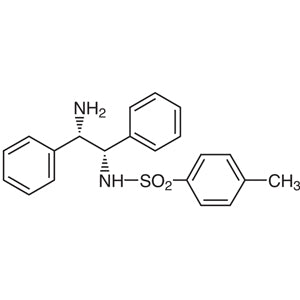
(S,S)-N-(2-Amino-1,2-diphenylethyl)-p-toluenesulfonamide TCI A1699
Regular price Rp 1.220.100,00Regular price -
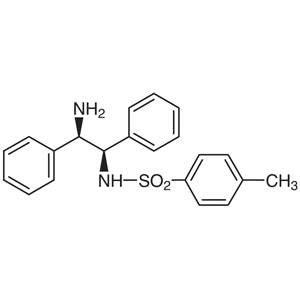
(R,R)-N-(2-Amino-1,2-diphenylethyl)-p-toluenesulfonamide TCI A1548
Regular price Rp 2.466.450,00Regular price