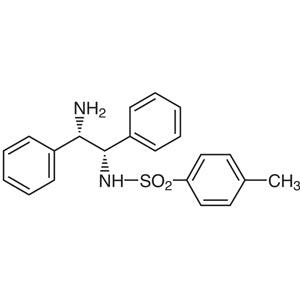
(R,R)-N-(2-Amino-1,2-diphenylethyl)-p-toluenesulfonamide is a chiral building block used in asymmetric synthesis to produce compounds with defined stereochemistry. This compound plays a critical role in organic chemistry laboratories by enabling the creation of enantiomerically pure molecules. Its complex structure allows for precise control over stereochemical outcomes in chemical reactions, making it essential for advanced synthetic strategies. It is widely utilized in research settings where the spatial arrangement of atoms significantly influences the biological activity of the final product.
The compound is valued for its chemical stability under controlled conditions and its ability to participate in nucleophilic and substitution reactions. Its chiral nature makes it an ideal candidate for constructing complex molecules with specific stereochemical configurations. This property is especially important in pharmaceutical and biochemical research, where the three-dimensional structure of a molecule can determine its biological activity. Its versatility in reacting under various conditions enhances its utility in synthetic pathways.
In Indonesian laboratories, this compound is commonly used in organic chemistry and pharmacology research. It supports the development of new drugs and bioactive compounds by enabling the synthesis of chiral intermediates. Researchers rely on its predictable behavior and structural complexity to design and execute experiments that require precise stereochemical control. Its application is particularly relevant in academic and industrial settings focused on drug discovery and chemical innovation.
TCI brochures (PDF)
- Chiral Ligands 2024-12-13 · p. 2
- Asymmetric Synthesis 2026-03-18 · p. 5
- Chiral Building Blocks 2025-04-14 · p. 14
- Ligands 2025-12-01 · p. 3
Related TCI products
- TCI A1699 167316-27-0 (S,S)-N-(2-Amino-1,2-diphenylethyl)-p-toluenesulfonamide
- TCI D2176 35132-20-8 (1R,2R)-(+)-1,2-Diphenylethylenediamine
- TCI D2175 29841-69-8 (1S,2S)-(-)-1,2-Diphenylethylenediamine
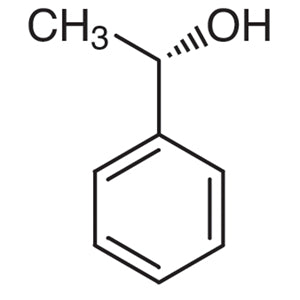
- TCI P0796 1445-91-6 (S)-(-)-1-Phenylethyl Alcohol
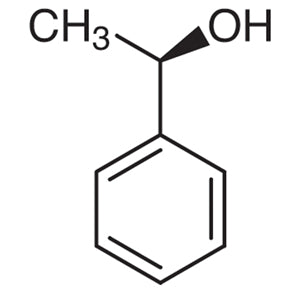
- TCI P0795 1517-69-7 (R)-(+)-1-Phenylethyl Alcohol
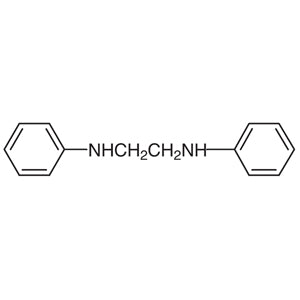
- TCI D0887 150-61-8 N,N'-Diphenylethylenediamine
- Asymmetric Synthesis: This compound is ideal for creating enantiomerically pure compounds, which are essential in pharmaceutical research due to their specific biological activity.
- Chiral Intermediate Development: Its complex structure allows it to serve as a key building block in the synthesis of chiral molecules with defined stereochemistry.
- Organic Chemistry Research: It is widely used in laboratories for exploring new synthetic methods and understanding reaction mechanisms in stereocontrolled processes.
- Drug Discovery: Its ability to participate in nucleophilic and substitution reactions makes it valuable in the development of bioactive compounds.
- Biochemical Studies: It supports research into the stereochemical effects on biological activity, aiding in the design of more effective therapeutic agents.
| Brand | TCI |
|---|---|
| CAS number | 144222-34-4 |
| Molecular formula | — |
| Purity | — |
| Category | Chemistry > Asymmetric Synthesis > Chiral Building Blocks |
| Pack sizes | — |
| Physical form | — |
| Storage | Store in a cool, dry place away from light and moisture |
This compound should be stored in a cool, dry environment, away from direct light and moisture to maintain its chemical stability. It is recommended to use airtight containers to prevent exposure to air and moisture, which could affect its integrity. In laboratory settings, it should be handled with care to avoid contamination and ensure safe usage. Proper labeling of containers is essential for identification and safety. Always follow standard laboratory safety protocols when working with chiral compounds to ensure accurate and reproducible results. Regular monitoring of storage conditions is advised to maintain the compound's effectiveness in research applications.
—
Product Categories
- Asymmetric SynthesisChiral Building BlocksChiral Non-Heterocyclic Building Blocks
- Asymmetric SynthesisChiral Catalysts, Chiral Ligands, Chiral ReagentsHydrogenation [Asymmetric Synthesis]
- Building BlocksChiral Building BlocksChiral Non-Heterocyclic Building Blocks
- Catalysis and Inorganic ChemistryNitrogen-Donor Ligands [Catalysis]Amine Ligands
Produk Terkait
-
(S,S)-N-(2-Amino-1,2-diphenylethyl)-p-toluenesulfonamide TCI A1699
Regular price Rp 1.272.600,00Regular priceRp 905.100,00Sale price Rp 1.272.600,00 -
(1R,2R)-(+)-1,2-Diphenylethylenediamine TCI D2176
Regular price From Rp 1.458.450,00Regular priceRp 1.035.300,00Sale price From Rp 1.458.450,00 -
(1S,2S)-(-)-1,2-Diphenylethylenediamine TCI D2175
Regular price From Rp 1.087.800,00Regular priceRp 775.950,00Sale price From Rp 1.087.800,00 -
(S)-(-)-1-PhenylethylAlcohol TCI P0796
Regular price From Rp 1.431.150,00Regular priceRp 1.000.650,00Sale price From Rp 1.431.150,00 -
(R)-(+)-1-PhenylethylAlcohol TCI P0795
Regular price From Rp 1.220.100,00Regular priceRp 852.600,00Sale price From Rp 1.220.100,00 -
N,N'-Diphenylethylenediamine TCI D0887
Regular price Rp 2.411.850,00Regular priceRp 1.702.050,00Sale price Rp 2.411.850,00 -
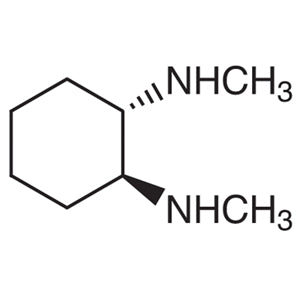
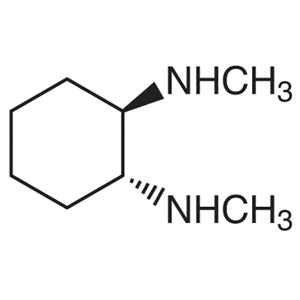
(1S,2S)-(+)-N,N'-Dimethylcyclohexane-1,2-diamine TCI D2460
Regular price From Rp 637.350,00Regular priceRp 460.950,00Sale price From Rp 637.350,00 -
(1R,2R)-(-)-N,N'-Dimethylcyclohexane-1,2-diamine TCI D2459
Regular price From Rp 689.850,00Regular priceRp 497.700,00Sale price From Rp 689.850,00