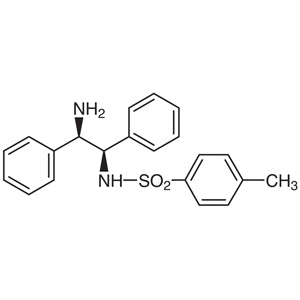
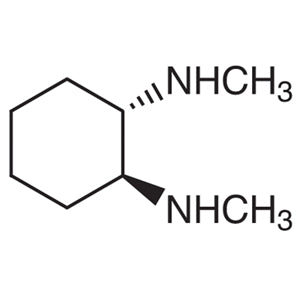
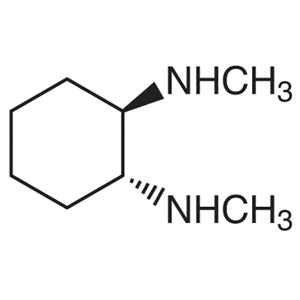
(S,S)-N-(2-Amino-1,2-diphenylethyl)-p-toluenesulfonamide is a chiral compound widely used in asymmetric synthesis, playing a key role in the creation of complex molecular structures with precise stereochemistry. This compound is particularly valuable in the field of organic chemistry, where controlling the spatial arrangement of atoms is essential for producing biologically active molecules. Its unique chemical structure enables it to act as a chiral building block, making it a preferred choice for researchers aiming to develop pharmaceuticals and other specialized chemical products.
The compound’s stability under controlled conditions, combined with its high reactivity in stereoselective reactions, makes it a preferred choice for advanced chemical synthesis. Its sensitivity to moisture and light necessitates careful handling, but this also ensures that it remains highly effective when used in optimal environments. The ability to influence the stereochemistry of target molecules makes it an essential tool for laboratories focused on creating compounds with specific biological activities.
In Indonesian laboratories, this compound is commonly used in research related to organic chemistry and pharmacology. It supports the development of new bioactive compounds and is a key component in studies aimed at advancing pharmaceutical innovation. Its application is widespread in academic and research institutions, contributing to the growth of scientific knowledge in the field of chemistry and drug development.
TCI brochures (PDF)
- Chiral Ligands 2024-12-13 · p. 2
- Asymmetric Synthesis 2026-03-18 · p. 5
- Chiral Building Blocks 2025-04-14 · p. 14
- Ligands 2025-12-01 · p. 3
Related TCI products
- TCI A1548 144222-34-4 (R,R)-N-(2-Amino-1,2-diphenylethyl)-p-toluenesulfonamide
- TCI D2176 35132-20-8 (1R,2R)-(+)-1,2-Diphenylethylenediamine
- TCI D2175 29841-69-8 (1S,2S)-(-)-1,2-Diphenylethylenediamine
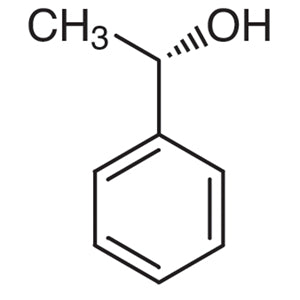
- TCI P0796 1445-91-6 (S)-(-)-1-Phenylethyl Alcohol
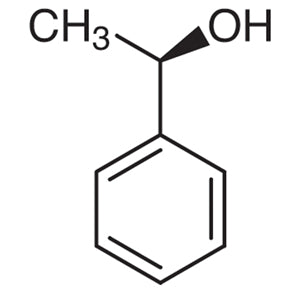
- TCI P0795 1517-69-7 (R)-(+)-1-Phenylethyl Alcohol
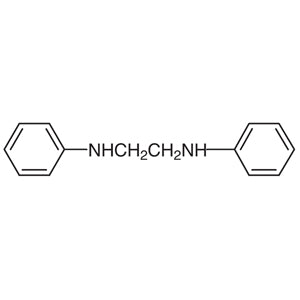
- TCI D0887 150-61-8 N,N'-Diphenylethylenediamine
- Asymmetric synthesis applications benefit from this compound's ability to control stereochemistry, enabling the production of chiral molecules with high enantiomeric purity.
- Pharmaceutical research utilizes this material to develop new drugs, as its chiral structure is critical in creating compounds with specific biological activities.
- Organic chemistry experiments rely on its role as a chiral building block, allowing for the construction of complex molecular frameworks with precision.
- Drug discovery projects use it to explore the stereochemical effects on biological activity, aiding in the optimization of therapeutic agents.
- Academic research in pharmacology and chemical sciences employs it to study the synthesis and properties of chiral compounds for scientific advancement.
| Brand | TCI |
|---|---|
| CAS number | 167316-27-0 |
| Molecular formula | — |
| Purity | — |
| Category | Chemistry > Asymmetric Synthesis > Chiral Building Blocks |
| Pack sizes | Available in various quantities as per standard laboratory supply |
| Physical form | Solid |
| Storage | Requires protection from moisture and light, stored in a cool, dry environment |
This compound should be stored in a cool, dry place away from moisture and direct light to maintain its chemical integrity. It is recommended to use airtight containers made of glass or high-density polyethylene to prevent exposure to humidity. Due to its sensitivity, it should be handled in a controlled laboratory environment with proper ventilation. Always wear appropriate personal protective equipment when working with this material to ensure safety. The compound should be kept in a secure location to prevent contamination and ensure its usability for research purposes.
—
Product Categories
- Asymmetric SynthesisChiral Building BlocksChiral Non-Heterocyclic Building Blocks
- Asymmetric SynthesisChiral Catalysts, Chiral Ligands, Chiral ReagentsHydrogenation [Asymmetric Synthesis]
- Building BlocksChiral Building BlocksChiral Non-Heterocyclic Building Blocks
- Catalysis and Inorganic ChemistryNitrogen-Donor Ligands [Catalysis]Amine Ligands
Produk Terkait
-
(R,R)-N-(2-Amino-1,2-diphenylethyl)-p-toluenesulfonamide TCI A1548
Regular price Rp 2.518.950,00Regular priceRp 1.776.600,00Sale price Rp 2.518.950,00 -
(1R,2R)-(+)-1,2-Diphenylethylenediamine TCI D2176
Regular price From Rp 1.458.450,00Regular priceRp 1.035.300,00Sale price From Rp 1.458.450,00 -
(1S,2S)-(-)-1,2-Diphenylethylenediamine TCI D2175
Regular price From Rp 1.087.800,00Regular priceRp 775.950,00Sale price From Rp 1.087.800,00 -
(S)-(-)-1-PhenylethylAlcohol TCI P0796
Regular price From Rp 1.431.150,00Regular priceRp 1.000.650,00Sale price From Rp 1.431.150,00 -
(R)-(+)-1-PhenylethylAlcohol TCI P0795
Regular price From Rp 1.220.100,00Regular priceRp 852.600,00Sale price From Rp 1.220.100,00 -
N,N'-Diphenylethylenediamine TCI D0887
Regular price Rp 2.411.850,00Regular priceRp 1.702.050,00Sale price Rp 2.411.850,00 -
(1S,2S)-(+)-N,N'-Dimethylcyclohexane-1,2-diamine TCI D2460
Regular price From Rp 637.350,00Regular priceRp 460.950,00Sale price From Rp 637.350,00 -
(1R,2R)-(-)-N,N'-Dimethylcyclohexane-1,2-diamine TCI D2459
Regular price From Rp 689.850,00Regular priceRp 497.700,00Sale price From Rp 689.850,00