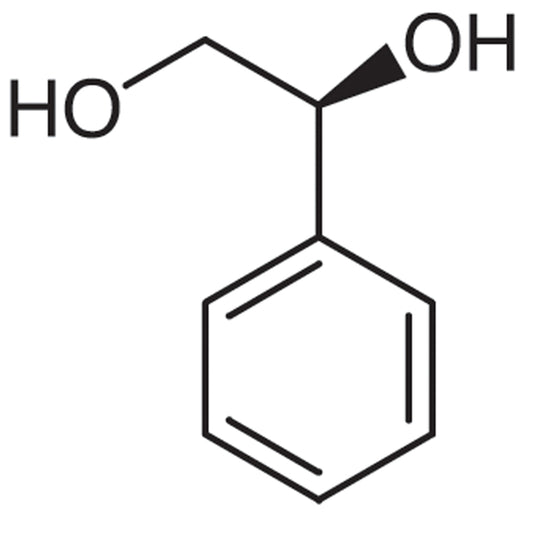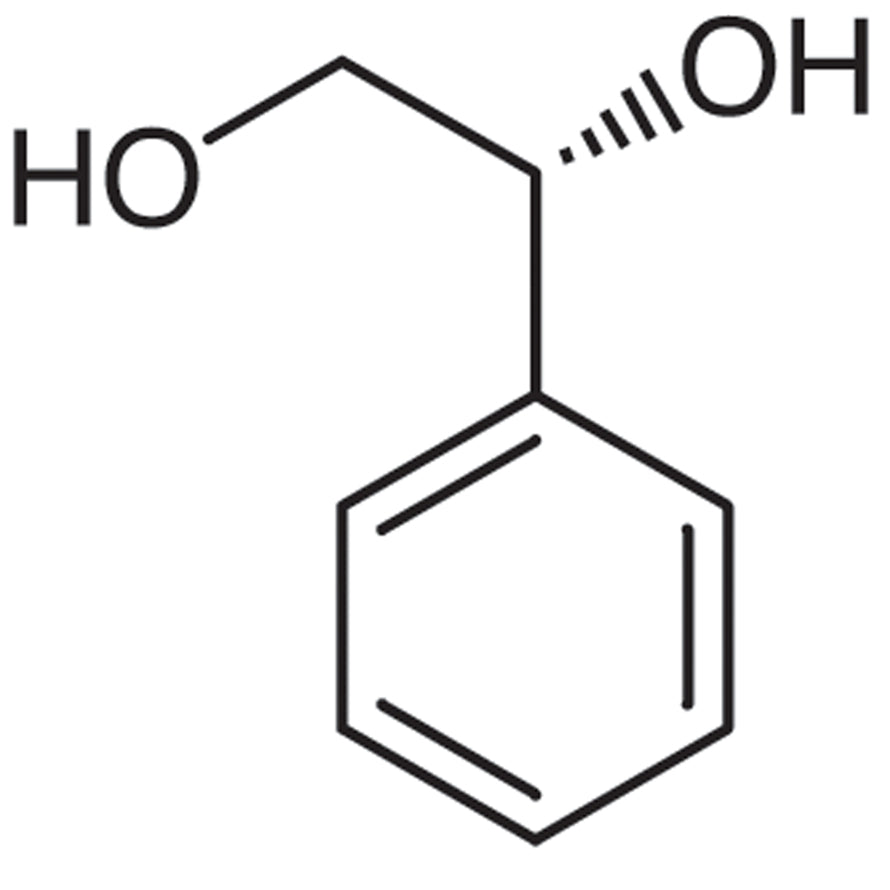
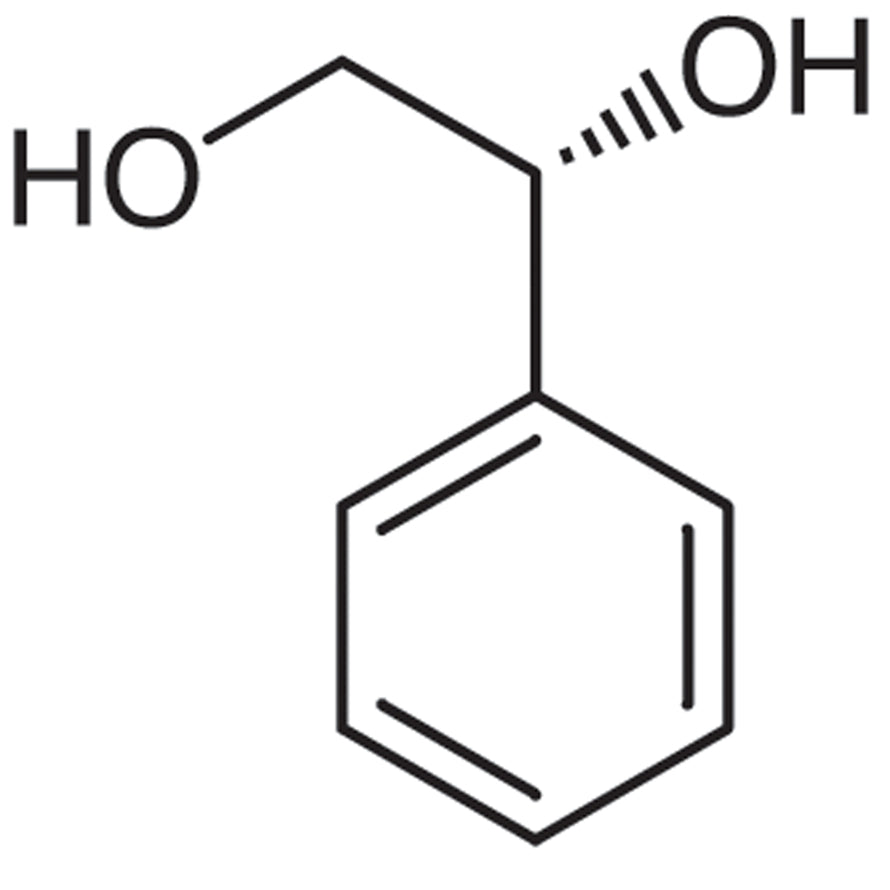
(R)-(-)-1-Phenylethane-1,2-diol is a chiral compound widely used in asymmetric synthesis to construct molecules with specific biological activities. This compound plays a key role in the development of chiral structures, which are essential in pharmaceutical and organic chemistry research. Its unique stereochemistry allows for the synthesis of enantiomers with distinct pharmacological effects, making it a valuable tool in the laboratory. The compound's molecular structure features two asymmetric centers, enabling the formation of different enantiomers. This characteristic is crucial for creating compounds with desired optical properties.
The compound is preferred due to its chemical stability under controlled laboratory conditions and its ability to yield optically active products. Its chiral nature ensures that it can be used in the synthesis of complex molecules with precise stereochemical control. The compound's reliability and consistency make it a trusted choice for researchers working on asymmetric synthesis projects. Additionally, its availability and well-defined chemical properties support its use in various synthetic pathways.
In Indonesian laboratories, (R)-(-)-1-Phenylethane-1,2-diol is commonly used by researchers and the pharmaceutical industry for the development of new drugs. Its role in creating chiral compounds is vital for advancing organic chemistry and asymmetric synthesis. The compound is a key component in the research efforts aimed at producing pharmaceuticals with specific therapeutic effects.
TCI brochures (PDF)
- Chiral Building Blocks 2025-04-14 · p. 17
Related TCI products
- Asymmetric Synthesis: This compound is ideal for creating enantiomers with distinct pharmacological properties, enabling the development of more effective and targeted pharmaceuticals.
- Chiral Compound Development: Its stereochemical properties make it a preferred choice for synthesizing chiral molecules with specific biological activities.
- Organic Chemistry Research: The compound supports the synthesis of complex organic structures, contributing to advancements in chemical research.
- Pharmaceutical Innovation: It is widely used in the creation of new drug molecules that require precise stereochemical control for optimal therapeutic effects.
- Structural Analysis Studies: Its well-defined chiral structure aids in the study of molecular interactions and stereochemical behavior in various chemical processes.
| Brand | TCI |
|---|---|
| CAS number | 16355-00-3 |
| Molecular formula | — |
| Purity | — |
| Category | Chemistry > Asymmetric Synthesis > Chiral Building Blocks |
| Pack sizes | Available in various quantities as per standard laboratory supply |
| Physical form | Solid (exact form may vary depending on supplier) |
| Storage | Store in a cool, dry place away from light and moisture |
This compound should be stored in a cool, dry environment, away from direct light and moisture to maintain its chemical integrity. It is recommended to use airtight containers to prevent exposure to air and humidity. Proper labeling of storage containers is essential for safe handling and identification. Laboratory personnel should wear appropriate personal protective equipment, such as gloves and safety goggles, when handling the compound. The compound should be kept in a secure location to prevent accidental spills or contamination. Regular monitoring of storage conditions ensures the compound remains stable and suitable for use in research applications.
—
Produk Terkait
-
(S)-(+)-1-Phenylethane-1,2-diol TCI P1151
Regular price From Rp 769.650,00Regular price -
(S)-(+)-2-Chloro-1-phenylethanol TCI C3562
Regular price From Rp 980.700,00Regular price -
(R)-(-)-2-Chloro-1-phenylethanol TCI C3561
Regular price From Rp 2.597.700,00Regular price -
(S)-(-)-1-PhenylethylAlcohol TCI P0796
Regular price From Rp 1.431.150,00Regular price -
(R)-(+)-1-PhenylethylAlcohol TCI P0795
Regular price From Rp 1.220.100,00Regular price -
1-Phenylethane-1,2-diol TCI P0686
Regular price From Rp 2.889.600,00Regular price -
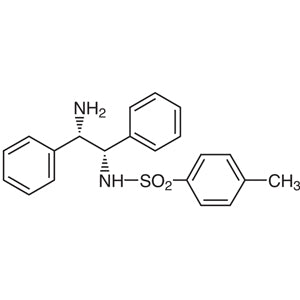
(S,S)-N-(2-Amino-1,2-diphenylethyl)-p-toluenesulfonamide TCI A1699
Regular price Rp 1.220.100,00Regular price -
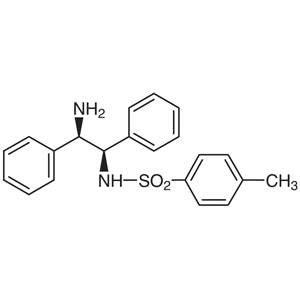
(R,R)-N-(2-Amino-1,2-diphenylethyl)-p-toluenesulfonamide TCI A1548
Regular price Rp 2.466.450,00Regular price