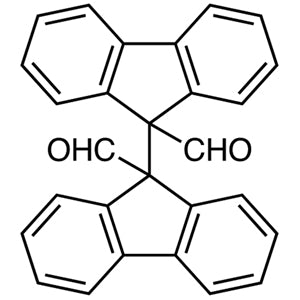

Raptinal (1176-09-6) is a chemical compound widely used in life science research, particularly in the study of apoptosis, or programmed cell death. It functions as an inducer that can trigger or accelerate the apoptotic process in specific cell types. In the laboratory, it serves as a valuable tool for investigating how cells respond to stress or damage, and for evaluating the effectiveness of other compounds in modulating cell death. Its role is critical in understanding the molecular mechanisms underlying apoptosis, which is essential for various biological and medical studies.
Raptinal is preferred due to its chemical stability under specific conditions and its solubility in organic solvents such as ethyl acetate and acetone. These properties make it highly versatile for use in a range of experimental methods, including cell culture, toxicity testing, and molecular analysis. Its ability to interact specifically with proteins involved in the apoptotic pathway allows researchers to precisely control and study the process. This specificity enhances its utility in both basic and applied research settings.
In Indonesian laboratories, Raptinal is commonly used in biomedical, pharmacological, and biotechnological research. Local researchers employ it to study disease-related processes, particularly those involving cellular degeneration. Its reliability and effectiveness make it a standard component in many experimental protocols, supporting both academic and industrial research efforts.
Advantages (TCI brochure)
- Rapid apoptosis induction (minutes), faster than staurosporines
- Induces cell apoptosis via the caspase-dependent intrinsic pathway
- IC50 of <10 µM across 22 cell lines after 24 h of incubation
- Tumor inhibition activity in vivo in zebrafish embryos and mice
- Non-light sensitive and easy to handle
TCI brochures (PDF)
- Rapid Apoptosis-Inducer Raptinal 2025-08-05 · p. 1
- Cancer Research Reagents 2025-04-01 · p. 11
- Reagents for Biological Research 2025-03-11 · p. 35
- Apoptosis Research - Raptinal is ideal for studying programmed cell death due to its ability to induce or accelerate the process in specific cell types.
- Toxicity Testing - It is used to evaluate the effects of compounds on cell death, helping to determine their potential therapeutic or harmful impacts.
- Cell Culture Studies - Its solubility in organic solvents makes it suitable for use in cell culture experiments where controlled induction of apoptosis is required.
- Molecular Analysis - Raptinal's interaction with key proteins in the apoptotic pathway enables detailed molecular studies of cell death mechanisms.
- Drug Development - It assists in screening compounds for their ability to modulate apoptosis, supporting the development of new therapeutic agents.
From the TCI brochure
- Research applications in biology, pharmacology, and chemistry
| Brand | TCI |
|---|---|
| CAS number | 1176-09-6 |
| Molecular formula | — |
| Purity | — |
| Category | Life Science > Cell Biology > Apoptosis |
| Pack sizes | — |
| Physical form | — |
| Storage | Store in a cool, dry place away from light |
Data from the TCI brochure
| IC50 | <10 µM (22 cell lines, 24 h incubation) |
|---|---|
| Onset apoptosis | minutes (as stated in brochure, compared with staurosporine) |
Source: TCI brochure PP018 (2025-08-05)
Raptinal should be stored in a cool, dry place, away from direct light to maintain its chemical stability. It is recommended to use airtight containers to prevent contamination and exposure to moisture. Due to its solubility in organic solvents, it should be handled in a well-ventilated area to minimize inhalation risks. Personal protective equipment such as gloves and safety goggles should be worn when handling the compound. Avoid contact with skin and eyes, and ensure proper disposal according to local regulations. Regular monitoring of storage conditions is advised to ensure the compound remains effective for research purposes.
References cited in the TCI brochure
- Rahul Palchaudhuri. A Small Molecule that Induces Intrinsic Pathway Apoptosis with Unparalleled Speed Cell Reports, 2015. doi:10.1016/j.celrep.2015.10.042
- Katharina S. Schneider. The Inflammasome Drives GSDMD-Independent Secondary Pyroptosis and IL-1 Release in the Absence of Caspase-1 Protease Activity Cell Reports, 2017. doi:10.1016/j.celrep.2017.12.018
- Karen Frudd. Oxidation of Atg3 and Atg7 mediates inhibition of autophagy Nature Communications, 2018. doi:10.1038/s41467-017-02352-z
Product Categories
Produk Terkait
-
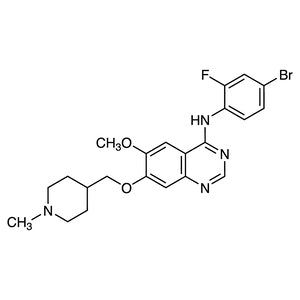
Vandetanib TCI V0199
Regular price From Rp 2.121.000,00Regular price -
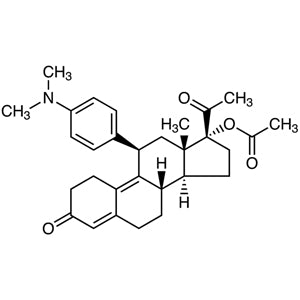
UlipristalAcetate TCI U0102
Regular price From Rp 5.062.050,00Regular price -
UrsodeoxycholicAcid TCI U0030
Regular price Rp 1.115.100,00Regular price -
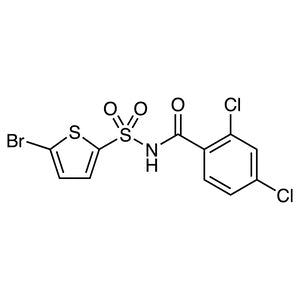
Tasisulam TCI T4183
Regular price Rp 3.870.300,00Regular price -
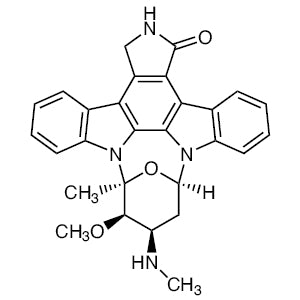
Staurosporine TCI T4000
Regular price Rp 3.738.000,00Regular price -
Taurolidine TCI T3980
Regular price Rp 4.028.850,00Regular price -
Bexarotene TCI B4798
Regular price Rp 5.034.750,00Regular price -
ABT-751 TCI A3169
Regular price From Rp 3.605.700,00Regular price