Shikimic Acid is an organic compound that plays a significant role in chemical synthesis, particularly in the field of asymmetric synthesis. It is widely used as a chiral building block in the creation of complex molecules, such as pharmaceuticals and industrial chemicals. In laboratory settings, it is essential for producing compounds with specific biological activities due to its chiral nature. This compound is highly valued for its ability to facilitate controlled stereochimical reactions, making it a key component in the development of asymmetric compounds.
The unique chemical structure of Shikimic Acid, featuring three hydroxyl groups and one carboxyl group, makes it an ideal candidate for reactions requiring precise stereochemical control. Its chiral properties allow chemists to synthesize compounds with defined molecular configurations, which is crucial in drug development and organic chemistry research. This compound is also known for its stability and reactivity, which contribute to its popularity among researchers.
In Indonesian laboratories, Shikimic Acid is extensively used in organic chemistry research, especially in pharmaceutical and biological compound synthesis. Its availability and effectiveness make it a preferred choice for scientists working on projects that require chiral intermediates. Researchers rely on this compound to achieve specific molecular configurations, which are essential for the development of new drugs and advanced chemical materials.
TCI brochures (PDF)
- Phytochemicals 2025-12-17 · p. 14
- Chiral Building Blocks 2025-04-14 · p. 13
- Asymmetric Synthesis: Shikimic Acid is ideal for asymmetric synthesis due to its chiral structure, enabling the creation of enantiomerically pure compounds.
- Pharmaceutical Development: Its use in drug synthesis allows for the production of complex molecules with specific biological activities.
- Organic Chemistry Research: It is a fundamental building block in the synthesis of various organic compounds, supporting diverse chemical reactions.
- Chiral Compound Synthesis: The compound's chiral nature makes it suitable for creating molecules with defined stereochemistry.
- Biological Molecule Production: It is used in the development of bioactive compounds, contributing to advancements in medicinal chemistry.
| Brand | TCI |
|---|---|
| CAS number | 138-59-0 |
| Molecular formula | — |
| Purity | — |
| Category | Chemistry > Asymmetric Synthesis > Chiral Building Blocks |
| Pack sizes | Available in various quantities as per supplier specifications |
| Physical form | Solid |
| Storage | Store in a cool, dry place away from moisture and light |
Shikimic Acid should be stored in a cool, dry place, away from moisture and direct sunlight to maintain its chemical integrity. It is recommended to use airtight containers to prevent exposure to air and humidity. Due to its potential reactivity, it should be handled with care, using appropriate personal protective equipment such as gloves and safety goggles. In laboratory settings, it is important to ensure proper ventilation when working with this compound. Avoid contact with skin and eyes, and follow standard chemical safety protocols to minimize risks. Proper storage and handling are essential to preserve its effectiveness and ensure safe usage in research environments.
—
Produk Terkait
-
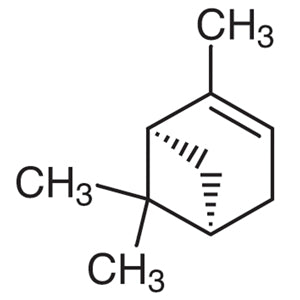
(1R)-(+)-alpha-Pinene TCI P1099
Regular price From Rp 584.850,00Regular price -
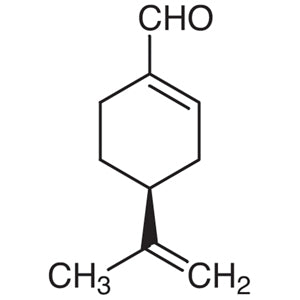
(-)-Perillaldehyde TCI P0866
Regular price From Rp 610.050,00Regular price -
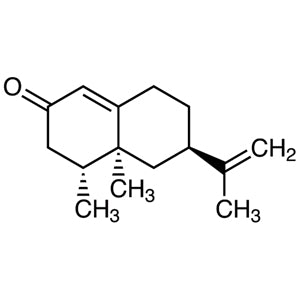
(+)-Nootkatone TCI N0920
Regular price Rp 1.246.350,00Regular price -
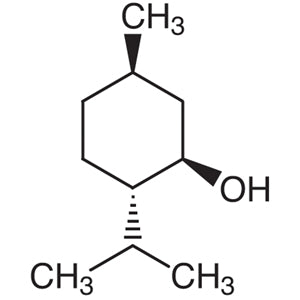
(-)-Menthol TCI M0545
Regular price From Rp 477.750,00Regular price -
(-)-Limonene TCI L0132
Regular price From Rp 505.050,00Regular price -
(+)-Limonene TCI L0105
Regular price From Rp 1.353.450,00Regular price -
(+)-Limonene TCI L0047
Regular price From Rp 452.550,00Regular price -
(-)-beta-Citronellol TCI C3619
Regular price Rp 848.400,00Regular price