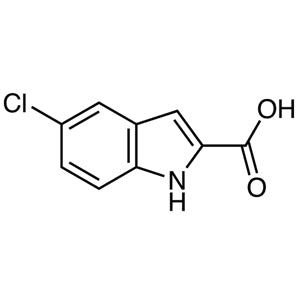
TCI C1868 5-Chloroindole-2-carboxylic Acid is an indole derivative carrying a carboxylic acid group at the two position and a chlorine atom at the five position of the benzene ring. In organic synthesis and medicinal chemistry laboratories, this compound serves as a bifunctional heterocyclic building block that combines an indole scaffold with a coupling-ready acid group. The presence of the carboxylate group makes it a practical starting point for forming amide bonds, esters, and other acyl derivatives without requiring a prior oxidation step or the installation of additional functional groups.
The characteristic that makes this material a preferred choice is the availability of three distinct reaction sites within a single molecule. The carboxylic acid group can be activated with standard coupling reagents to produce amides, or converted into esters and acid chlorides as the synthetic route requires. The chlorine atom on the benzene ring provides a handle for palladium-catalysed cross-coupling reactions while simultaneously lowering the electron density of the ring, so that the electronic profile and metabolic stability of the resulting derivatives can be tuned. The indole N–H group completes the molecule with hydrogen-bonding capability that is important for molecular recognition, and it can also be substituted when the route calls for it.
In Indonesian laboratories, this building block is typically used in university research groups, pharmaceutical research and development units, and contract synthesis facilities that prepare indole-based compound libraries. It is generally handled at the milligram to gram scale on the laboratory bench during route scouting and analogue preparation, then carried forward through standard coupling, purification, and characterisation workflows. Storage under controlled conditions is important given Indonesia's warm and humid ambient environment.
- Amide bond formation: the free carboxylic acid at the two position couples directly with amines using standard activation reagents, giving indole-2-carboxamide derivatives without any preliminary functional group interconversion.
- Palladium-catalysed cross-coupling: the aryl chloride at the five position acts as a handle for carbon–carbon and carbon–nitrogen bond formation, allowing aryl, heteroaryl, or amino substituents to be introduced onto the benzene ring.
- Medicinal chemistry analogue synthesis: three independent reaction sites in one molecule let chemists vary the amide, the ring substituent, and the indole nitrogen systematically while studying structure–activity relationships.
- Esterification and acyl derivative preparation: the acid group is readily converted into methyl or ethyl esters and acid chlorides, giving intermediates suited to onward substitution, reduction, or condensation chemistry.
- Heterocyclic scaffold construction: the intact indole core serves as a rigid aromatic platform for building fused or elaborated ring systems in compound library and fragment-based discovery programmes.
| Brand | TCI (Tokyo Chemical Industry) |
|---|---|
| CAS number | 10517-21-2 |
| Molecular formula | — |
| Purity | — |
| Category | Chemistry > Building Blocks > Heterocyclic Building Blocks |
| Pack sizes | available in standard TCI research pack sizes; please confirm the currently listed option when ordering |
| Physical form | — |
| Storage | store in a cool, dry place in a tightly closed container as indicated on the manufacturer's label |
- Catalogue Number: C1868
Store the container tightly closed in a cool, dry, and well-ventilated area, away from direct sunlight, heat sources, and strong oxidising agents. Keep the material in its original supplier packaging or in a chemically compatible, clearly labelled amber glass or high-density polyethylene container to limit moisture uptake and light exposure. Handle the solid in a fume hood and weigh it carefully to minimise dust generation. Wear a laboratory coat, chemical-resistant gloves, and safety glasses during transfer and weighing operations. Avoid contact with skin and eyes as well as inhalation of dust. Always consult the manufacturer's safety data sheet before use, and dispose of residues and contaminated materials through an approved chemical waste route in line with applicable local regulations.
—
Produk Terkait
-
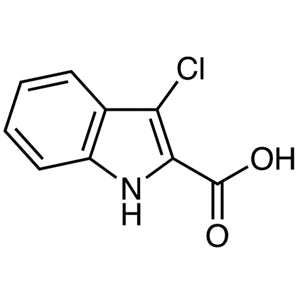
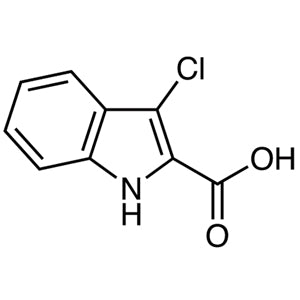
3-Chloroindole-2-carboxylicAcid TCI C3170
Regular price Rp 4.161.150,00Regular priceRp 2.925.300,00Sale price Rp 4.161.150,00 -
Ethyl5-Chloroindole-2-carboxylate TCI E0696
Regular price Rp 1.590.750,00Regular priceRp 1.127.700,00Sale price Rp 1.590.750,00 -
5,6-Dichloroindole TCI D4924
Regular price Rp 5.062.050,00Regular priceRp 3.555.300,00Sale price Rp 5.062.050,00 -
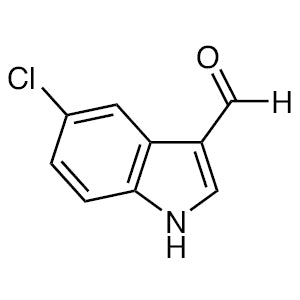
5-Chloroindole-3-carboxaldehyde TCI C3703
Regular price Rp 1.829.100,00Regular priceRp 1.294.650,00Sale price Rp 1.829.100,00 -
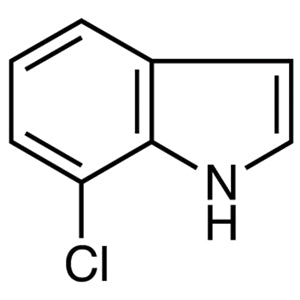
7-Chloroindole TCI C2436
Regular price Rp 1.801.800,00Regular priceRp 1.275.750,00Sale price Rp 1.801.800,00 -
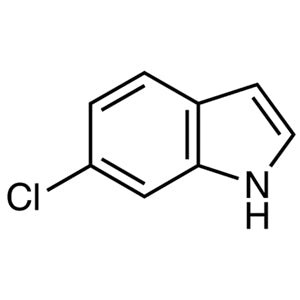
6-Chloroindole TCI C1249
Regular price Rp 928.200,00Regular priceRp 664.650,00Sale price Rp 928.200,00 -
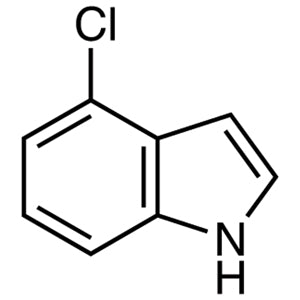
4-Chloroindole TCI C1248
Regular price Rp 662.550,00Regular priceRp 478.800,00Sale price Rp 662.550,00 -
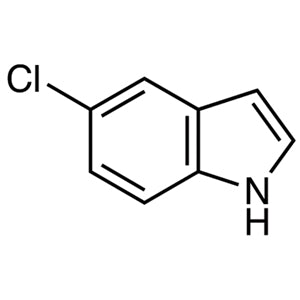
5-Chloroindole TCI C1107
Regular price Rp 2.041.200,00Regular priceRp 1.442.700,00Sale price Rp 2.041.200,00