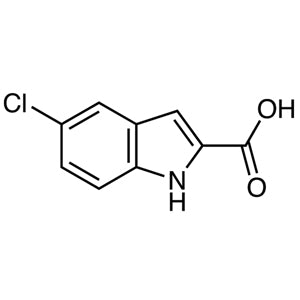
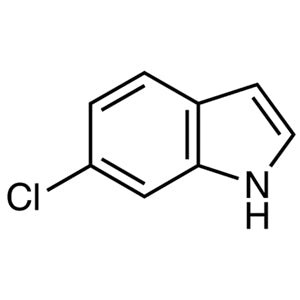
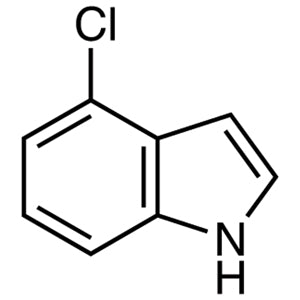
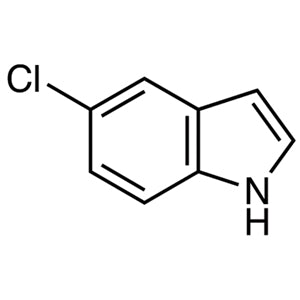
5,6-Dichloroindole is a chemical compound classified under the heterocyclic category, featuring an indole structure with two chlorine atoms at positions 5 and 6. This compound plays a crucial role in laboratory settings as a building block for the synthesis of complex molecules. Its unique structure allows chemists to design and develop new compounds with specific properties, making it an essential tool in organic chemistry and pharmacological research. In Indonesian laboratories, it is widely used to support scientific innovation and discovery in various fields of study.
The chemical properties of 5,6-Dichloroindole make it a preferred choice for researchers. Its stability under certain conditions, combined with high reactivity towards substitution and condensation reactions, enables versatile applications in synthetic chemistry. The presence of chlorine atoms at positions 5 and 6 enhances its reactivity and provides opportunities for functional group modifications. These characteristics make it highly sought after for creating compounds with specific biological activities, particularly in drug development and material science.
In Indonesian laboratories, 5,6-Dichloroindole is commonly used in research projects related to organic chemistry, pharmacology, and material science. It is a key component in the development of new pharmaceuticals and advanced materials. Its availability through suppliers like AMI Scientific ensures that researchers have access to this essential compound for their experiments and studies.
Related TCI products
- Organic synthesis projects benefit from 5,6-Dichloroindole due to its reactivity and structural versatility, enabling the creation of complex molecules with tailored properties.
- Pharmacological research utilizes this compound to develop new drugs by modifying its functional groups to achieve desired biological activities.
- Material science applications leverage its chemical stability and reactivity to fabricate advanced polymers and functional materials with specific characteristics.
- Educational institutions use it in teaching and research to provide hands-on experience in synthetic chemistry and molecular design.
- Industrial research labs incorporate it into their workflows to explore new chemical pathways and improve existing synthetic methods.
| Brand | TCI |
|---|---|
| CAS number | 121859-57-2 |
| Molecular formula | — |
| Purity | — |
| Category | Chemistry > Building Blocks > Heterocyclic Building Blocks |
| Pack sizes | Available in various quantities as per supplier specifications |
| Physical form | Solid, crystalline appearance |
| Storage | Store in a cool, dry place away from light and moisture |
5,6-Dichloroindole should be stored in a cool, dry environment, away from direct light and moisture to maintain its chemical stability. It is recommended to use airtight containers made of materials such as glass or polyethylene to prevent contamination and degradation. Due to its reactivity, it should be handled with care using appropriate personal protective equipment, including gloves and safety goggles. In laboratory settings, it is important to ensure proper ventilation and follow standard safety protocols to minimize exposure. Regular monitoring of storage conditions is advised to ensure the compound remains in optimal condition for use in research applications.
—
Produk Terkait
-
Ethyl5-Chloroindole-2-carboxylate TCI E0696
Regular price Rp 1.590.750,00Regular priceRp 1.127.700,00Sale price Rp 1.590.750,00 -
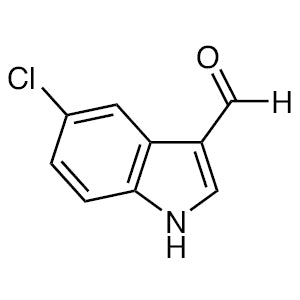
5-Chloroindole-3-carboxaldehyde TCI C3703
Regular price Rp 1.829.100,00Regular priceRp 1.294.650,00Sale price Rp 1.829.100,00 -
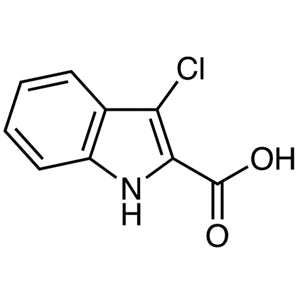
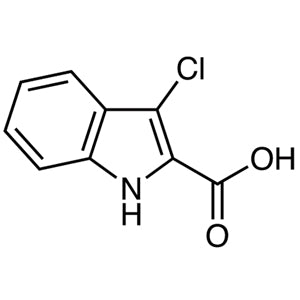
3-Chloroindole-2-carboxylicAcid TCI C3170
Regular price Rp 4.161.150,00Regular priceRp 2.925.300,00Sale price Rp 4.161.150,00 -
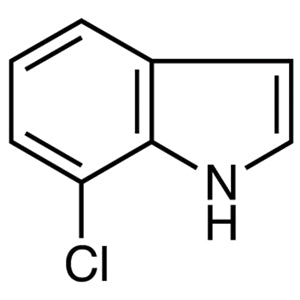
7-Chloroindole TCI C2436
Regular price Rp 1.801.800,00Regular priceRp 1.275.750,00Sale price Rp 1.801.800,00 -
5-Chloroindole-2-carboxylicAcid TCI C1868
Regular price Rp 2.199.750,00Regular priceRp 1.554.000,00Sale price Rp 2.199.750,00 -
6-Chloroindole TCI C1249
Regular price Rp 928.200,00Regular priceRp 664.650,00Sale price Rp 928.200,00 -
4-Chloroindole TCI C1248
Regular price Rp 662.550,00Regular priceRp 478.800,00Sale price Rp 662.550,00 -
5-Chloroindole TCI C1107
Regular price Rp 2.041.200,00Regular priceRp 1.442.700,00Sale price Rp 2.041.200,00