TCI C2379 1-(2-Chloroethyl)-1H-hexahydroazepine Hydrochloride is a synthetic raw material supplied as the hydrochloride salt of an azepane derivative — a seven-membered cyclic amine — carrying a two-carbon side chain terminating in a chlorine atom. The compound is designed specifically to act as an alkylating reagent that installs a seven-membered-ring aminoethyl unit onto a target molecule. This role is widely required in medicinal chemistry, particularly when researchers wish to append a basic side chain to an aromatic or phenolic scaffold in order to improve solubility as well as the interaction of the molecule with its biological target.
The hydrochloride salt form is the principal reason this material is chosen over its free base. As a salt, the compound is far more stable for storage and weighing because the amine nitrogen is protonated and therefore does not readily react with itself to form intermolecular cyclic salts. When required, the free base can be generated in the reaction flask by adding a suitable base, so that alkylating reactivity appears precisely at the moment it is needed. The chlorine atom at the end of the chain acts as a good leaving group towards nucleophiles such as phenoxides, alkoxides, and thiolates.
In Indonesian laboratories, this reagent is typically used in synthetic organic chemistry and medicinal chemistry research settings, including university research groups and pharmaceutical development laboratories building libraries of candidate compounds. It is handled on the bench scale for reactions in which a basic amine side chain must be introduced onto a phenolic or aromatic core, with the free base liberated in situ immediately before the alkylation step is carried out.
Related TCI products
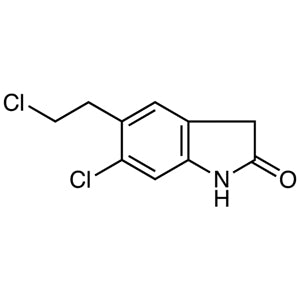
- TCI C2651 118289-55-7 6-Chloro-5-(2-chloroethyl)oxindole
- TCI C2433 63234-80-0 3-(2-Chloroethyl)-6,7,8,9-tetrahydro-2-methyl-4H-pyrido[1,2-a]pyrimidin-4-one
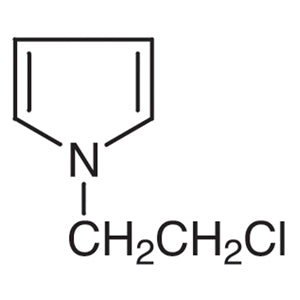
- TCI C1347 77200-24-9 1-(2-Chloroethyl)pyrrole
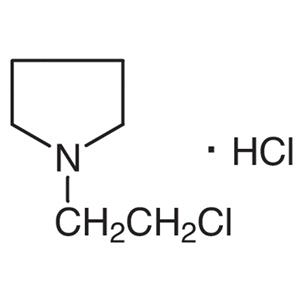
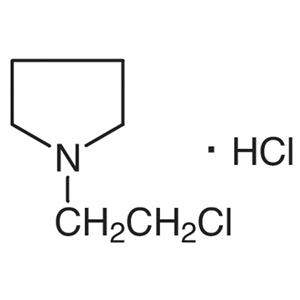
- TCI C1202 7250-67-1 1-(2-Chloroethyl)pyrrolidine Hydrochloride
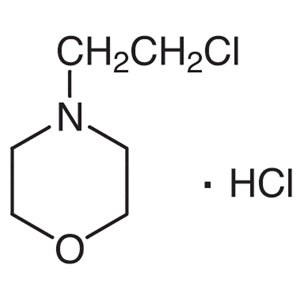
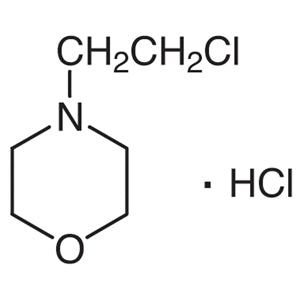
- TCI C1106 3647-69-6 4-(2-Chloroethyl)morpholine Hydrochloride
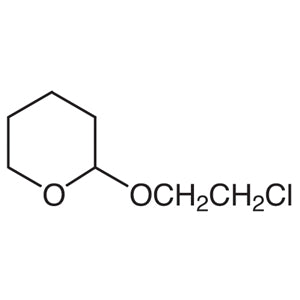
- TCI C1678 5631-96-9 2-(2-Chloroethoxy)tetrahydro-2H-pyran
- Alkylation of phenolic substrates: the terminal chlorine acts as a good leaving group towards phenoxide nucleophiles, allowing the azepane-ethyl unit to be attached directly to a phenolic oxygen.
- Medicinal chemistry scaffold modification: researchers use this reagent to append a basic side chain to aromatic frameworks, improving solubility and the interaction of candidate molecules with their biological targets.
- O-alkylation with alkoxide nucleophiles: the two-carbon chloroethyl linker reacts with alkoxides to form ether linkages that carry the seven-membered cyclic amine into the product.
- S-alkylation using thiolate nucleophiles: thiolates displace the terminal chloride efficiently, providing thioether products bearing the hexahydroazepine basic centre for structure-activity studies.
- Building-block synthesis of heterocyclic intermediates: as a heterocyclic building block, it supplies a preformed azepane ring, avoiding the need to construct the seven-membered amine ring on site.
| Brand | TCI |
|---|---|
| CAS number | 26487-67-2 |
| Molecular formula | — |
| Purity | — |
| Category | Chemistry > Building Blocks > Heterocyclic Building Blocks |
| Pack sizes | available in standard TCI catalogue pack sizes; please confirm the required size when ordering |
| Physical form | — |
| Storage | store in a tightly closed container in a cool, dry place away from moisture and incompatible materials |
- Chemical Form: hydrochloride salt of an azepane derivative
Store the material in a tightly closed original container in a cool, dry area, protected from moisture, since the hydrochloride salt should be kept dry to preserve its handling stability. Use containers that are chemically compatible and keep them clearly labelled and sealed between uses. Handle the compound in a well-ventilated fume hood while wearing appropriate personal protective equipment, including safety glasses, gloves, and a laboratory coat. As an alkylating reagent, it should be treated with care and kept away from skin and eye contact. Weigh the salt promptly and reseal the container, and generate the free base only in the reaction flask immediately before use. Follow institutional procedures for chemical waste disposal.
—
Produk Terkait
-
6-Chloro-5-(2-chloroethyl)oxindole TCI C2651
Regular price Rp 3.498.600,00Regular price -
3-(2-Chloroethyl)-6,7,8,9-tetrahydro-2-methyl-4H-pyrido[1,2-a]pyrimidin-4-one TCI C2433
Regular price From Rp 1.510.950,00Regular price -
1-(2-Chloroethyl)pyrrole TCI C1347
Regular price Rp 4.028.850,00Regular price -
1-(2-Chloroethyl)pyrrolidineHydrochloride TCI C1202
Regular price Rp 1.273.650,00Regular price -
4-(2-Chloroethyl)morpholineHydrochloride TCI C1106
Regular price Rp 1.060.500,00Regular price -
2-(2-Chloroethoxy)tetrahydro-2H-pyran TCI C1678
Regular price Rp 3.817.800,00Regular price -
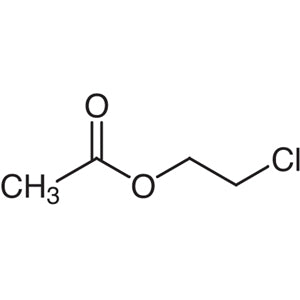
2-ChloroethylAcetate TCI A0027
Regular price Rp 2.916.900,00Regular price -
Tris(2-chloroethyl)Phosphate TCI T3447
Regular price From Rp 530.250,00Regular price
![3-(2-Chloroethyl)-6,7,8,9-tetrahydro-2-methyl-4H-pyrido[1,2-a]pyrimidin-4-one (CAS 63234-80-0) - TCI C2433 - AMI Scientific](http://amiscientific.com/cdn/shop/files/TCI2510C2433.jpg?v=1767098327&width=533)