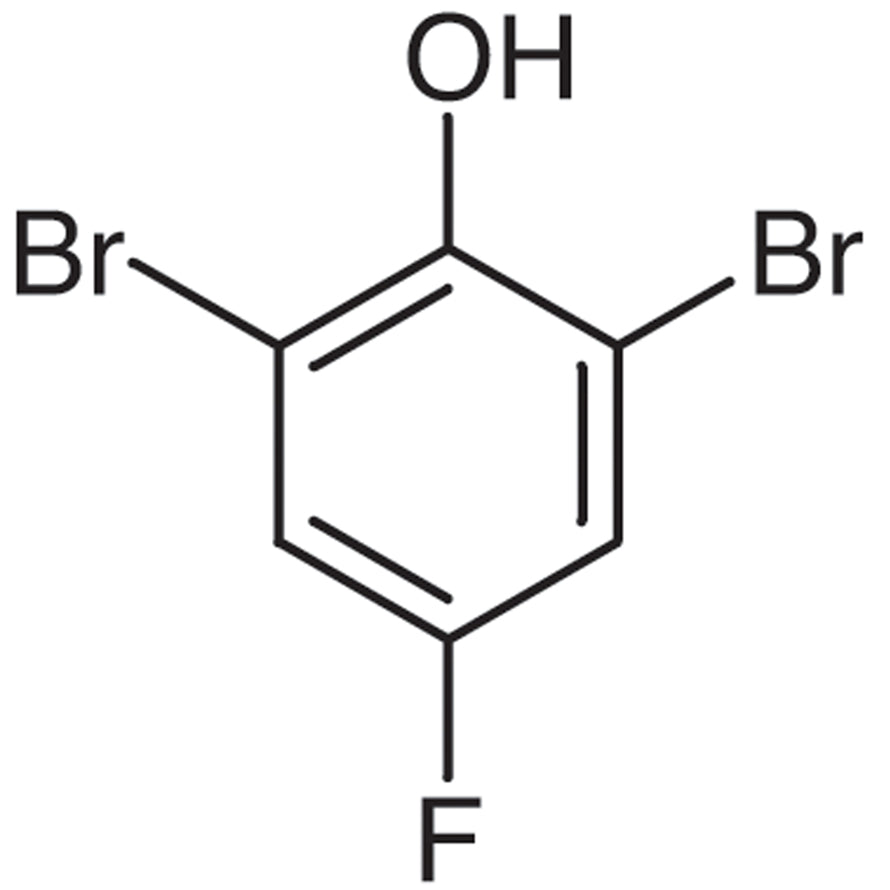
2,6-Dibromo-4-fluorophenol is a halogenated phenol that serves as a fluorinated building block in organic synthesis. The molecule presents three working points at once: a phenolic hydroxyl group that can be etherified, esterified, or converted into a triflate; two bromine atoms at the ortho positions, ready to be engaged in metal-catalysed cross-coupling reactions; and a single fluorine atom at the para position that contributes its characteristic electronic properties. In synthesis laboratories, this compound is used as a starting scaffold for constructing more complex molecules, ranging from ligands and monomers through to candidate pharmaceutical and agrochemical active ingredients.
The property that makes it a preferred choice is its neatly ordered and highly predictable substitution pattern. The two symmetrical bromine atoms flanking the hydroxyl group allow directed double functionalisation — for example through Suzuki–Miyaura or Sonogashira reactions, or Buchwald–Hartwig amination — so that researchers can install two arms at once on the same aromatic framework. The fluorine atom, meanwhile, is strongly electron-withdrawing yet small in size, so it modifies the acidity of the phenol and the distribution of electron density across the ring without adding steric bulk.
In Indonesian laboratories, this reagent typically finds its place in university and institutional research groups working on synthetic organic chemistry, medicinal chemistry, and materials development, as well as in industrial R&D units that prepare intermediates on a small scale. It is generally handled at the bench in the quantities required for exploratory reactions, route-scouting work, and the preparation of intermediates that are carried forward to subsequent steps, with the remainder returned to controlled storage between experiments.
TCI brochures (PDF)
- Fluorination Reagents, Fluorinated Building Blocks 2026-03-18 · p. 27
- Suzuki–Miyaura cross-coupling: the two ortho bromine atoms provide reliable handles for palladium-catalysed carbon–carbon bond formation, letting researchers attach aryl or heteroaryl groups on both sides of the hydroxyl.
- Sonogashira coupling: the same symmetrical bromine positions allow alkynyl arms to be introduced onto the aromatic core, a common step in building conjugated and extended molecular frameworks.
- Buchwald–Hartwig amination: the bromide sites accept nitrogen nucleophiles under palladium catalysis, giving access to aminated aromatic scaffolds used in ligand and active-ingredient discovery work.
- Phenol derivatisation chemistry: the free hydroxyl group can be etherified, esterified, or converted to a triflate, so the molecule can be protected or activated to suit a planned synthetic sequence.
- Pharmaceutical and agrochemical intermediate synthesis: the fluorine substituent contributes the electronic character sought in candidate active ingredients, making this scaffold a practical entry point for medicinal and crop-protection research programmes.
| Brand | TCI |
|---|---|
| CAS number | 344-20-7 |
| Molecular formula | — |
| Purity | — |
| Category | Chemistry > Building Blocks > Fluorinated Building Blocks |
| Pack sizes | available in the standard research-scale pack sizes offered for this catalogue item; storage in a cool, dry place away from light is recommended |
| Physical form | — |
| Storage | — |
- Catalogue reference: D3531
- Chemical name: 2,6-Dibromo-4-fluorophenol
Store the container in a cool, dry, well-ventilated place, kept tightly closed and protected from light, moisture, and sources of heat or ignition. Keep the material in its original supplier packaging wherever possible, or in a clean, chemically compatible and clearly labelled glass container; avoid transferring it into unlabelled vessels. Handle the compound in a fume hood using safety glasses, chemically resistant gloves, and a laboratory coat, since halogenated phenols can irritate the skin, eyes, and respiratory tract. Weigh and transfer carefully to limit dust formation, close the container immediately after use, and segregate the material from strong oxidising agents and strong bases. Consult the manufacturer's safety data sheet before use, and dispose of residues and contaminated consumables through the laboratory's chemical waste stream in line with institutional and local regulations.
—
Produk Terkait
-
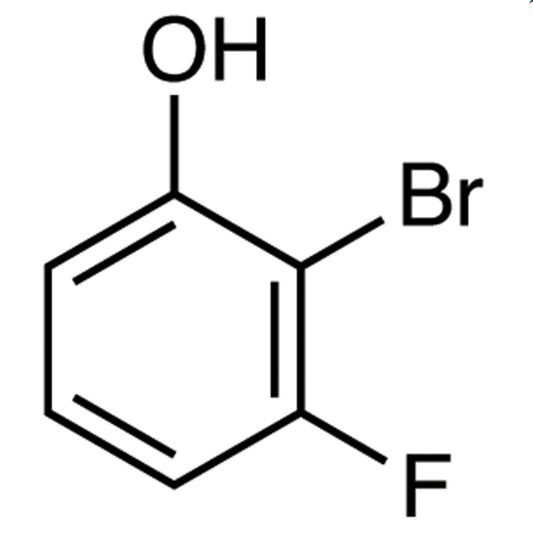
2-Bromo-3-fluorophenol TCI B5224
Regular price From Rp 1.167.600,00Regular price -
3-Bromo-4-fluorophenol TCI B4491
Regular price From Rp 1.670.550,00Regular price -
4-Bromo-3-fluorophenol TCI B3688
Regular price From Rp 2.597.700,00Regular price -
5-Bromo-2-fluorophenol TCI B3064
Regular price From Rp 1.458.450,00Regular price -
3-Bromo-5-fluorophenol TCI B3063
Regular price Rp 1.908.900,00Regular price -
2-Bromo-5-fluorophenol TCI B2040
Regular price From Rp 1.353.450,00Regular price -
4-Bromo-2-fluorophenol TCI B1835
Regular price From Rp 637.350,00Regular price -
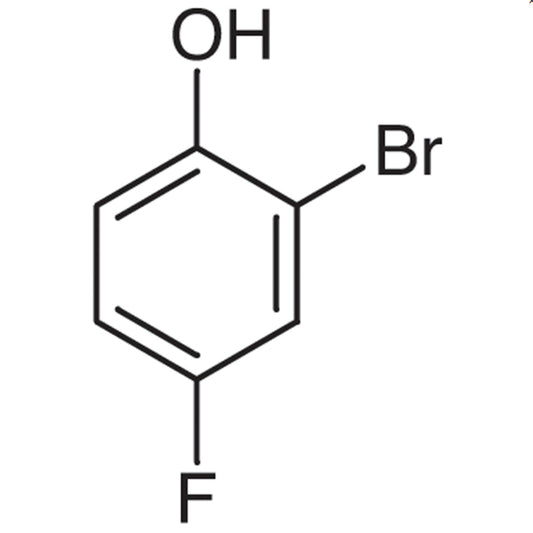
2-Bromo-4-fluorophenol TCI B1555
Regular price From Rp 717.150,00Regular price